By The Rio Times | Created at 2026-06-12 10:58:45 | Updated at 2026-06-12 14:07:05
3 hours ago
By The Rio Times | Created at 2026-06-12 10:58:45 | Updated at 2026-06-12 14:07:05
3 hours ago
Africa · Geopolitics
Key Facts
—What it is. A peaceful but intense contest among China, the US, Russia and the Gulf for Africa’s resources and influence.
—The prize. Critical minerals such as cobalt, lithium, copper and rare earths that power clean energy and digital tech.
—China leads. It has signed cooperation deals with 52 of Africa’s 54 countries and funds railways, ports and mines.
—The West answers. The US-backed Lobito rail corridor aims to carry copper and cobalt to the Atlantic by 2030.
—Africa’s edge. With suitors competing, African governments hold more bargaining power than they have in decades.
The scramble for Africa is back, only this time the prize is not territory but minerals, ports and influence, and the powers fighting over it are China, the United States, Russia and the Gulf. This guide explains who is competing, what they want, and why the contest over the world’s last great frontier matters far beyond the continent.
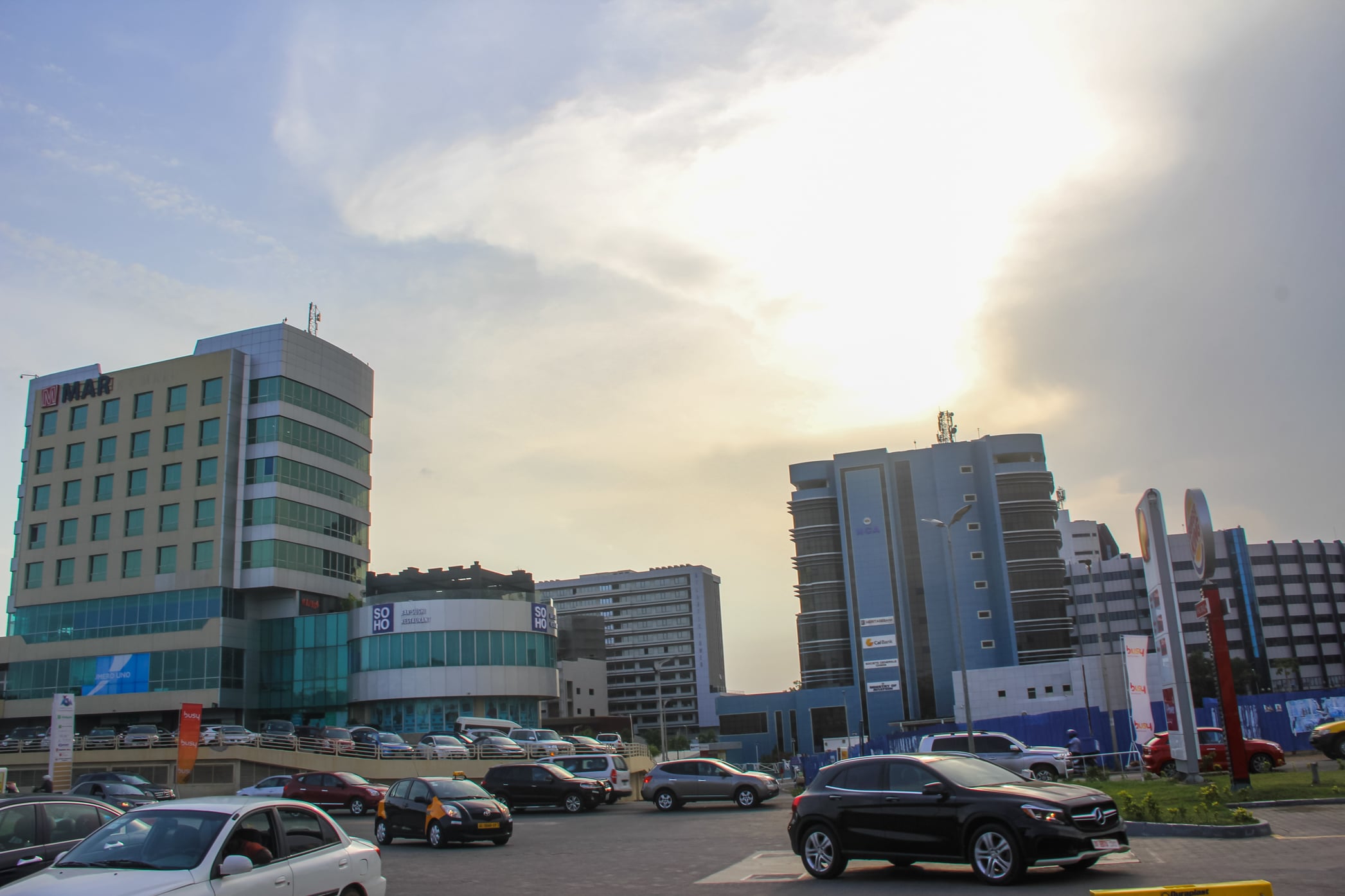
 Africa has become the central arena of a new great-power contest. (Photo: Wachi Mukuka, CC BY-SA 4.0, via Wikimedia Commons)
Recent Developments · updated June 12, 2026
The race has sharpened in 2026 around critical minerals, with the US-backed Lobito corridor advancing as a Western answer to China’s rail and mining links, while Russia deepens its security-for-resources foothold across the Sahel. African governments, sensing their leverage, are pushing harder for processing and value to stay on the continent.
What the new scramble for Africa really means
More than a century ago, European empires carved up Africa among themselves at a conference table. The phrase the scramble for Africa has described that land grab ever since.
The new version is different in almost every way but one. No one is planting flags, yet the world’s most powerful states are once again competing hard for what the continent holds.
This time the contest is economic and strategic. It is fought with loans, railways, mines, military deals and diplomacy rather than gunboats.
The real prize: critical minerals
At the heart of it all lies the ground itself. Africa holds vast reserves of the minerals the modern world suddenly cannot do without.
Cobalt, lithium, copper and rare earths are the raw material of electric cars, batteries, wind turbines and the data centres behind artificial intelligence. As demand for them soars, so does the value of the countries that have them.
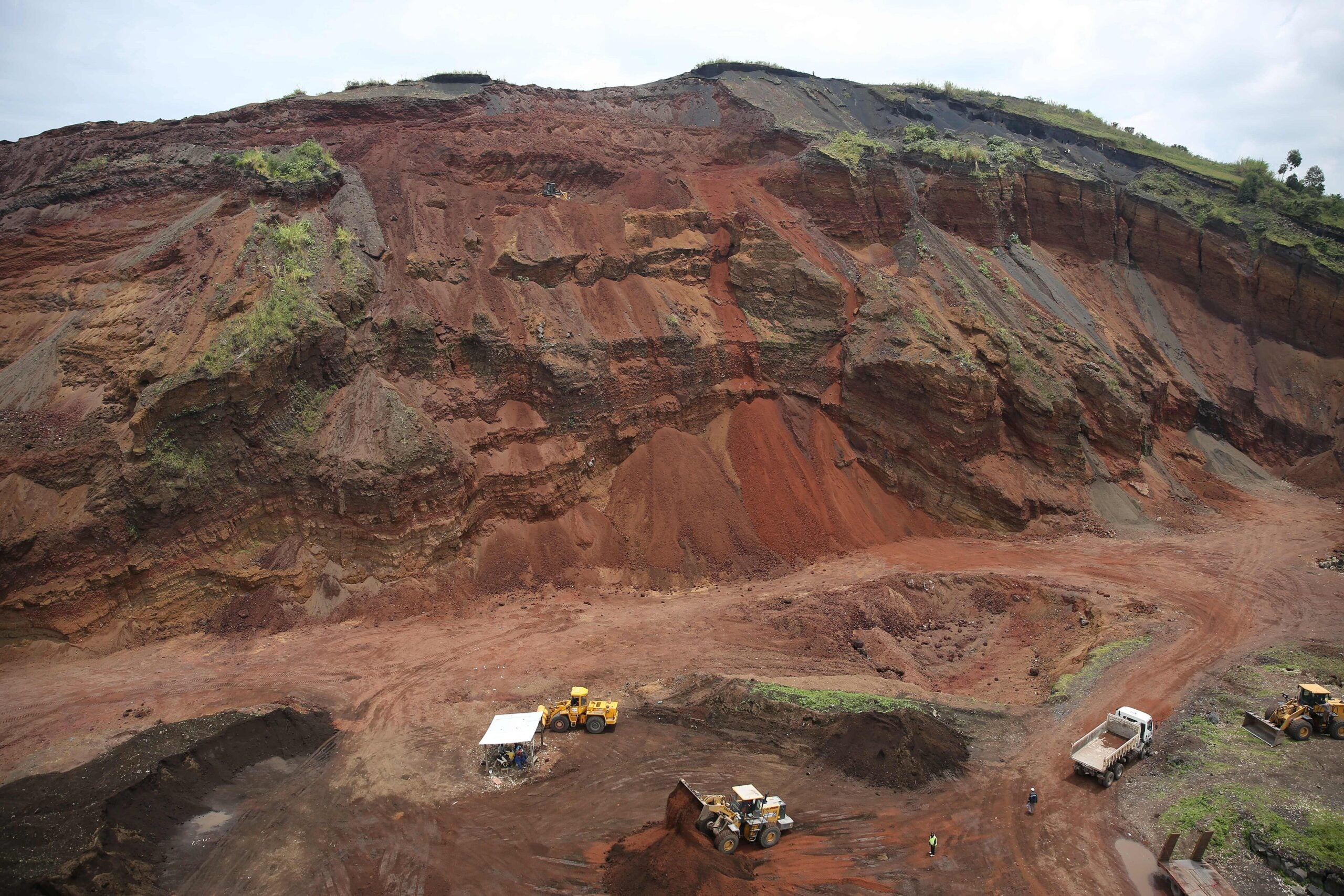
The Democratic Republic of Congo alone supplies most of the world’s cobalt. Zambia, Zimbabwe, South Africa and others sit on troves of copper, lithium and platinum that the energy transition needs.
China’s long game
For two decades China has played the patient hand, and it shows. It has signed cooperation agreements with 52 of Africa’s 54 countries and built roads, ports and power stations across the continent.
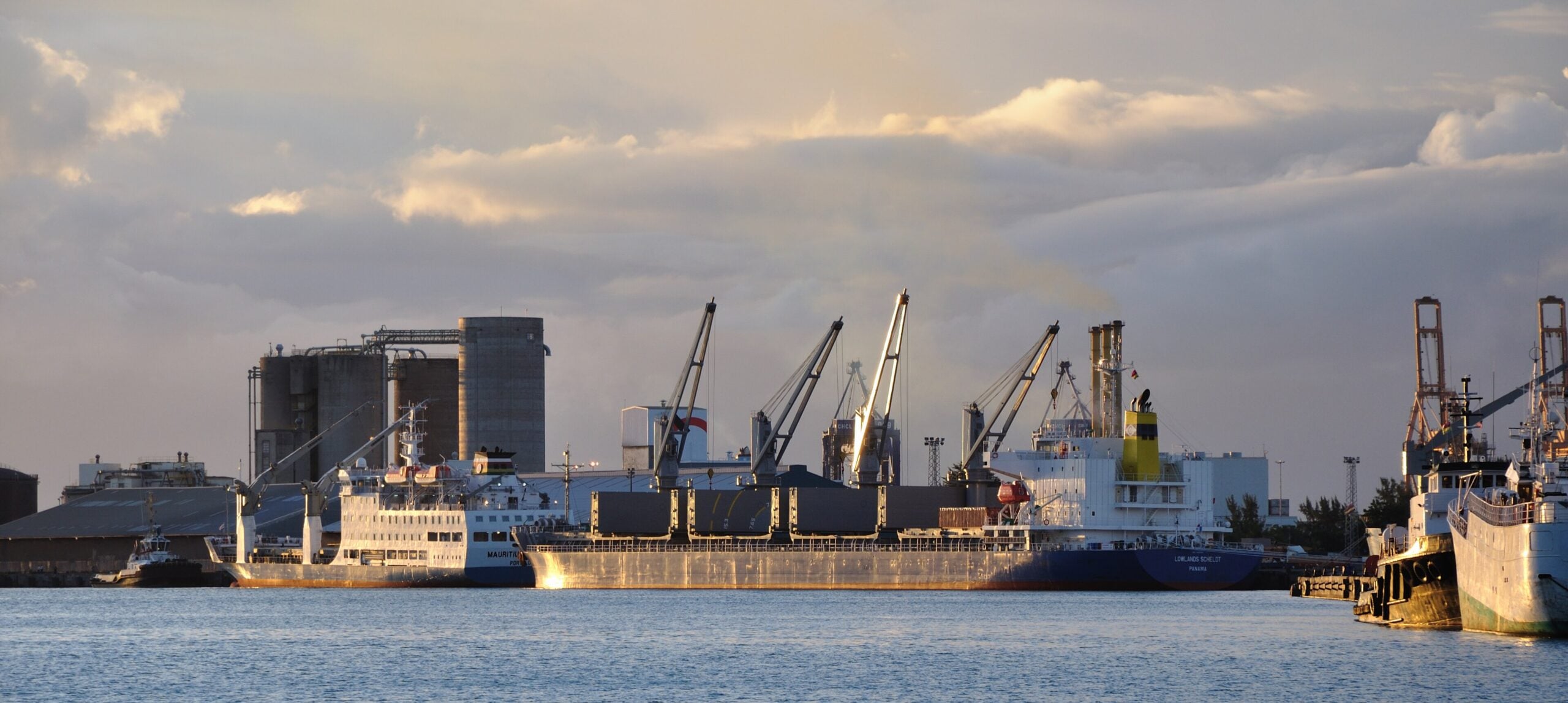
Much of that effort has a clear purpose: moving minerals from the interior to the sea. Beijing has poured money into rail links such as the Tanzania-Zambia line that carry copper and other ores toward export.
The result is a deep, established presence that rivals are now scrambling to match. China is not the newcomer in this story; everyone else is trying to catch up.
The American and European answer
Washington spent years treating Africa as an afterthought, and is now playing catch-up in earnest. Its strategy has shifted toward trade, investment and securing its own supply of critical minerals.
The flagship is the Lobito corridor, a rail and logistics project backed by the United States and Europe. It is designed to carry copper and cobalt from Congo and Zambia west to an Atlantic port in Angola, offering an alternative to Chinese routes.
The pitch to African partners is straightforward. The West offers higher standards, deeper capital markets and a counterweight to dependence on any single power.
Russia’s security-for-resources model
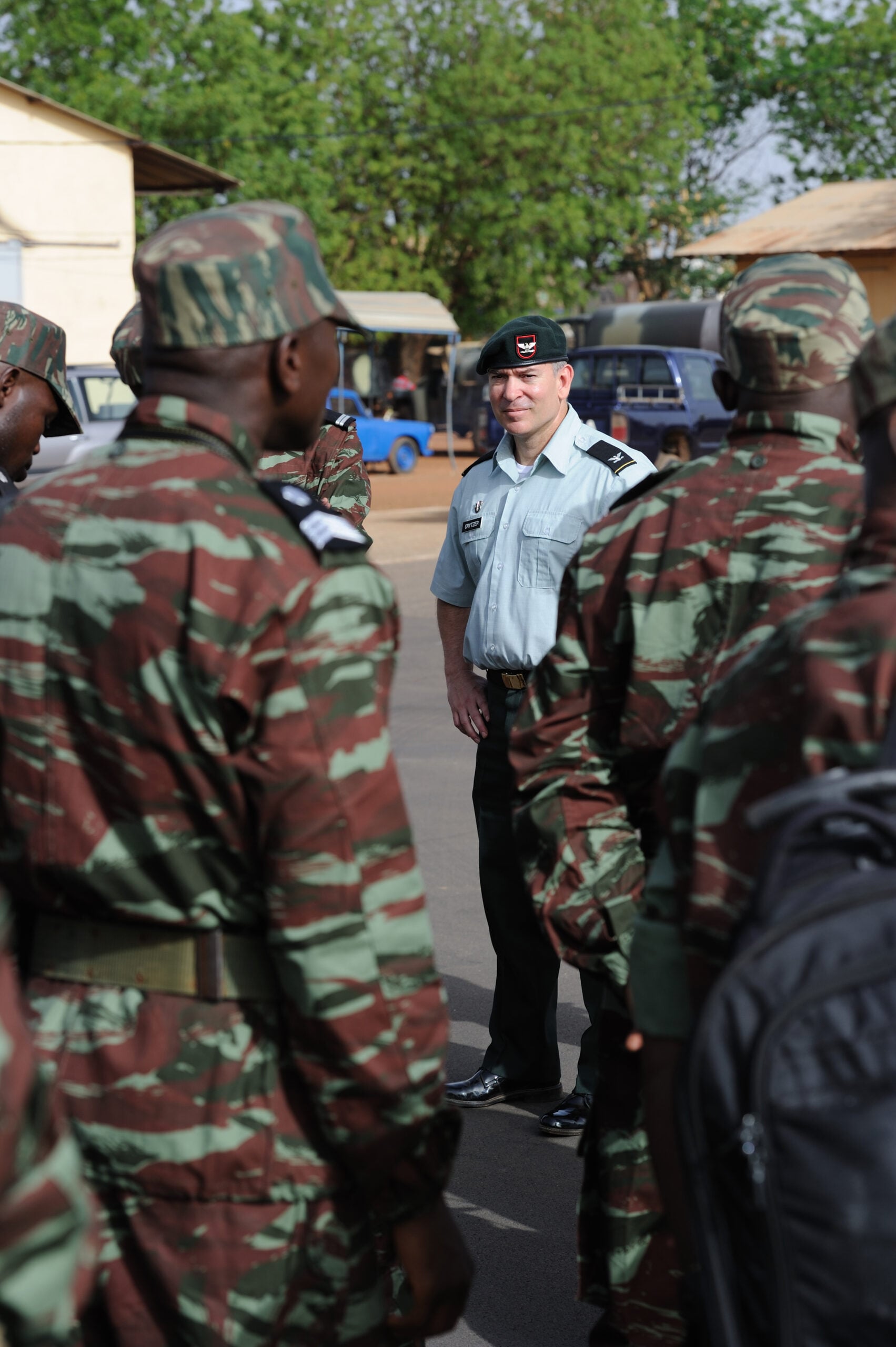
Russia is playing a narrower but disruptive game. Through its Africa Corps, the successor to the Wagner group, it offers security to governments that have fallen out with the West.
Across the Sahel, juntas that expelled French and American forces have welcomed Russian fighters instead. In return, Moscow gains influence and access to gold and other resources.
The Gulf and the other suitors
The field is wider than the old superpowers. The Gulf states, led by the United Arab Emirates and Saudi Arabia, have become major investors in African ports, farmland, mining and logistics.
Turkey, India and others are pressing their own cases too, with embassies, airlines and trade deals. For African capitals, the crowd of suitors is the whole point.
Africa’s leverage, and its dilemma
Here is the twist that makes this scramble unlike the last one. With so many powers competing, African governments hold more bargaining power than they have in generations.
Many are using it to demand more than raw exports. They want mines, refineries and processing built at home, so that the value of their minerals stays on the continent.
The dilemma is coordination. A continent of 54 states bargaining separately can be played off against itself, and the prize of unity remains frustratingly hard to reach.
Why the scramble for Africa matters to the world
The stakes are not only African. The minerals under this contest will help decide who leads the clean-energy and technology economy of the coming decades.
Africa is also the planet’s demographic future, home to the youngest and fastest-growing population on Earth. The partnerships forged now will shape global trade, migration and power for a generation.
That is why this is the frontier the powerful are fighting over. How Africa navigates the scramble may prove one of the defining stories of the century.
Full Coverage
The Rio Times tracks the new scramble across regions and beats. Explore our continuing Africa coverage:
BRICS 2026: the bloc reshaping the global order
Frequently asked questions
What is the new scramble for Africa?
It is the present-day competition among China, the United States, Russia and the Gulf states for Africa’s resources, markets and strategic influence. Unlike the colonial scramble, it is fought with investment, infrastructure and diplomacy rather than conquest.
Why are critical minerals so important?
Cobalt, lithium, copper and rare earths are essential to electric vehicles, batteries and digital technology. Africa holds huge reserves, which makes it central to the global energy transition.
Which countries are competing in Africa?
China is the established leader, with the United States and Europe playing catch-up through projects like the Lobito corridor. Russia offers security in the Sahel, while Gulf states, Turkey and India are also active.
Does Africa benefit from the scramble?
It can. Competition gives African governments real bargaining power to demand investment, jobs and local processing. The risk is that a divided continent gets played off against itself.
The Rio Times · Power Map
See who really holds power in Latin America
Click to open the Power Map →