 By GB News (Politics) | Created at 2026-09-30 14:12:02 | Updated at 2026-09-30 15:32:40
1 hour ago
By GB News (Politics) | Created at 2026-09-30 14:12:02 | Updated at 2026-09-30 15:32:40
1 hour ago
Andy Burnham's plan to fund a new national care service by reforming the state pension triple lock could fall flat.
The Institute for Fiscal Studies has warned that the savings from the policy are so uncertain they could range from nothing at all to as much as £20billion.
The Prime Minister pledged at Labour's conference on Tuesday to overhaul the triple lock from April 2030, using the money saved to build a care service that is free at the point of use.
But fresh analysis from the IFS, published on Wednesday, has cast serious doubt on whether the reform can reliably generate the funds Mr Burnham is counting on, with the eventual figure entirely dependent on unpredictable movements in wages and prices over the coming decades.
Jonathan Cribb, the IFS deputy director, said the government's headline estimate of £15billion in annual savings by 2039-40 amounts to roughly £11billion in today's money.
But he cautioned that the true figure "could reasonably be anywhere between £4billion and £20billion" because of how difficult the old system was to forecast.
In the nearer term, the picture is even less reassuring. Mr Cribb said the reform is expected to deliver around £4billion a year by 2034-35, "but it could easily save nothing at all if earnings growth is strong."
Helen Miller, the IFS director, told BBC Breakfast: "It depends on how prices and earnings pan out over the next decades."
She added that while savings of £15billion a year were possible by the end of the next decade, "it's also possible that you could save absolutely nothing or a bigger sum."
Under the current triple lock, the state pension rises annually by whichever is greatest out of inflation, wage growth or 2.5 per cent.
Mr Cribb said the reform is expected to deliver around £4billion a year by 2034-35

Mr Burnham's reform would remove the wage growth element, instead uprating pensions by the higher of inflation or 2.5 per cent, with a mechanism to ensure they keep pace with long-term earnings.
The Resolution Foundation has estimated the change could save up to £5billion a year by 2035 and £15billion by 2040.
But the Health Foundation has put the cost of the proposed national care service at approximately £18.5billion per year.
Mr Burnham himself appeared to acknowledge the gap when speaking to Times Radio on Wednesday.
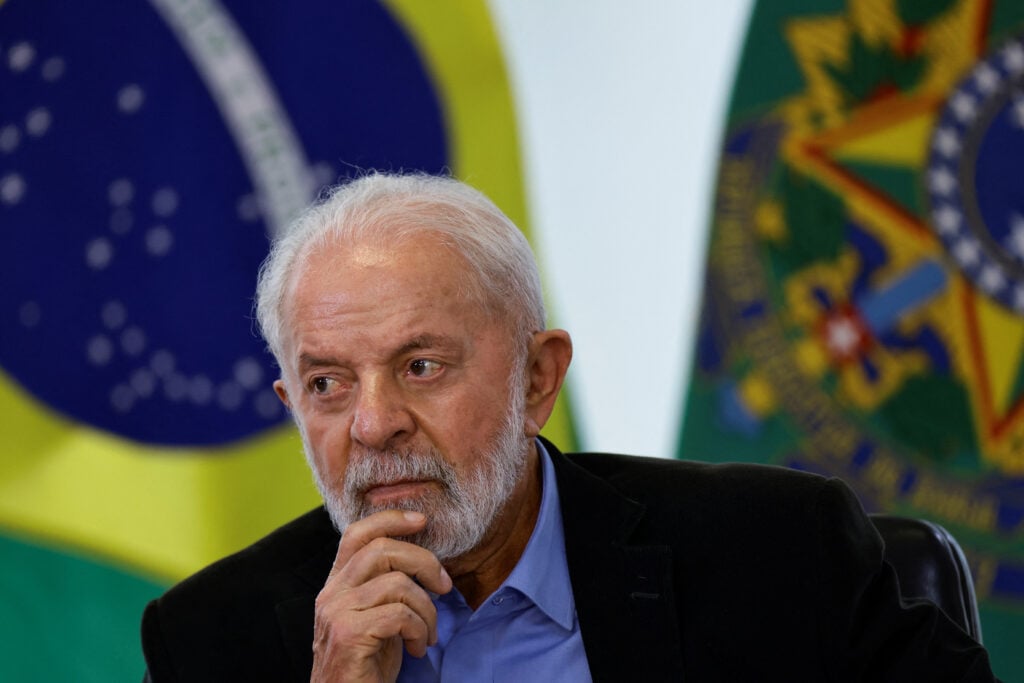
The Prime Minister pledged at Labour's conference on Tuesday to overhaul the triple lock from April 2030

He said: "If there's a shortfall, well, we'd have to be honest about that shortfall and say where that money is coming from."
The IFS was clear that scrapping an unfunded commitment does not amount to discovering new revenue.
Ms Miller said the old triple lock had a "ratchet effect" that could have driven costs dramatically higher over the decades, with no plan in place to cover the bill.
The Prime Minister has been warned that scrapping the triple lock won't fund care costs

Mr Cribb said: "Cancelling an unfunded increase does not free up funds to pay for a new government commitment. Therefore tax rises or other spending cuts will be needed to pay for social care."
To illustrate the scale of funding required, the IFS noted that raising approximately £10billion for social care would require either a one percentage point increase in the main rate of VAT or an additional one per cent added to every rate of income tax.