By The Rio Times | Created at 2026-09-30 11:22:07 | Updated at 2026-09-30 12:58:50
1 hour ago
By The Rio Times | Created at 2026-09-30 11:22:07 | Updated at 2026-09-30 12:58:50
1 hour ago
ARGENTINA · ECONOMY
Key Facts
- —The result A current-account surplus of US$2.214 billion in April to June 2026, INDEC, the national statistics office, reported on 29 September.
- —A year earlier The same quarter of 2025 showed a deficit of US$2.452 billion. The first quarter of 2026 ended US$2.411 billion in the red.
- —The driver Goods exports rose US$6.5 billion to US$27.557 billion, while imports slipped US$125 million to US$18.264 billion.
- —The drag Profits, dividends and interest paid abroad left a primary-income deficit of US$6.032 billion, US$2.466 billion more than a year earlier.
- —Reserves Balance-of-payments transactions added US$3.703 billion to central bank reserves in the quarter.
Record sales of grain, oil and other goods pushed Argentina’s external accounts back into surplus. Rising profit remittances took a large share of the gain.
Free daily brief — no card needed
Get every Argentina story in one morning email
We build you a personalized brief around the topics you follow — free for 7 days. Love it? Your first month after that is US$1.
Yes, email me my free daily brief — I can unsubscribe any time.

One-stop reference
Company Intelligence
Every listed company in Latin America — financials, ownership and structure for 1,450+ companies across 26 exchanges, in one place.
The Argentina current account returned to surplus in the second quarter of 2026. It measures what the country earns from the world against what it pays out. INDEC put the surplus at US$2.214 billion, driven by a jump in goods exports.
A swing of almost US$4.7 billion
The current account adds up trade in goods and services, income such as interest and dividends, and transfers like remittances. For Argentina it is a test of whether the economy can earn the dollars it needs.
Between April and June it earned more than it spent. The surplus of US$2.214 billion compares with a deficit of US$2.452 billion a year earlier, a turnaround of US$4.666 billion.
The result also reverses the first quarter of 2026, when the account showed a deficit of US$2.411 billion. The last surplus came in the fourth quarter of 2025, at US$1.922 billion.
Over the whole of 2025 the country ran a deficit of US$7.788 billion. In 2024 it had posted a surplus of US$5.891 billion.
Exports did the heavy lifting
Goods exports reached US$27.557 billion, up US$6.5 billion from US$21.057 billion in the second quarter of 2025. Imports eased to US$18.264 billion.
That left a goods surplus of US$9.293 billion, against US$2.668 billion a year earlier. INDEC attributes most of the gain to volumes rather than prices.
Higher export quantities added US$4.676 billion and better prices US$1.828 billion. On the import side, lower volumes were largely offset by higher prices.
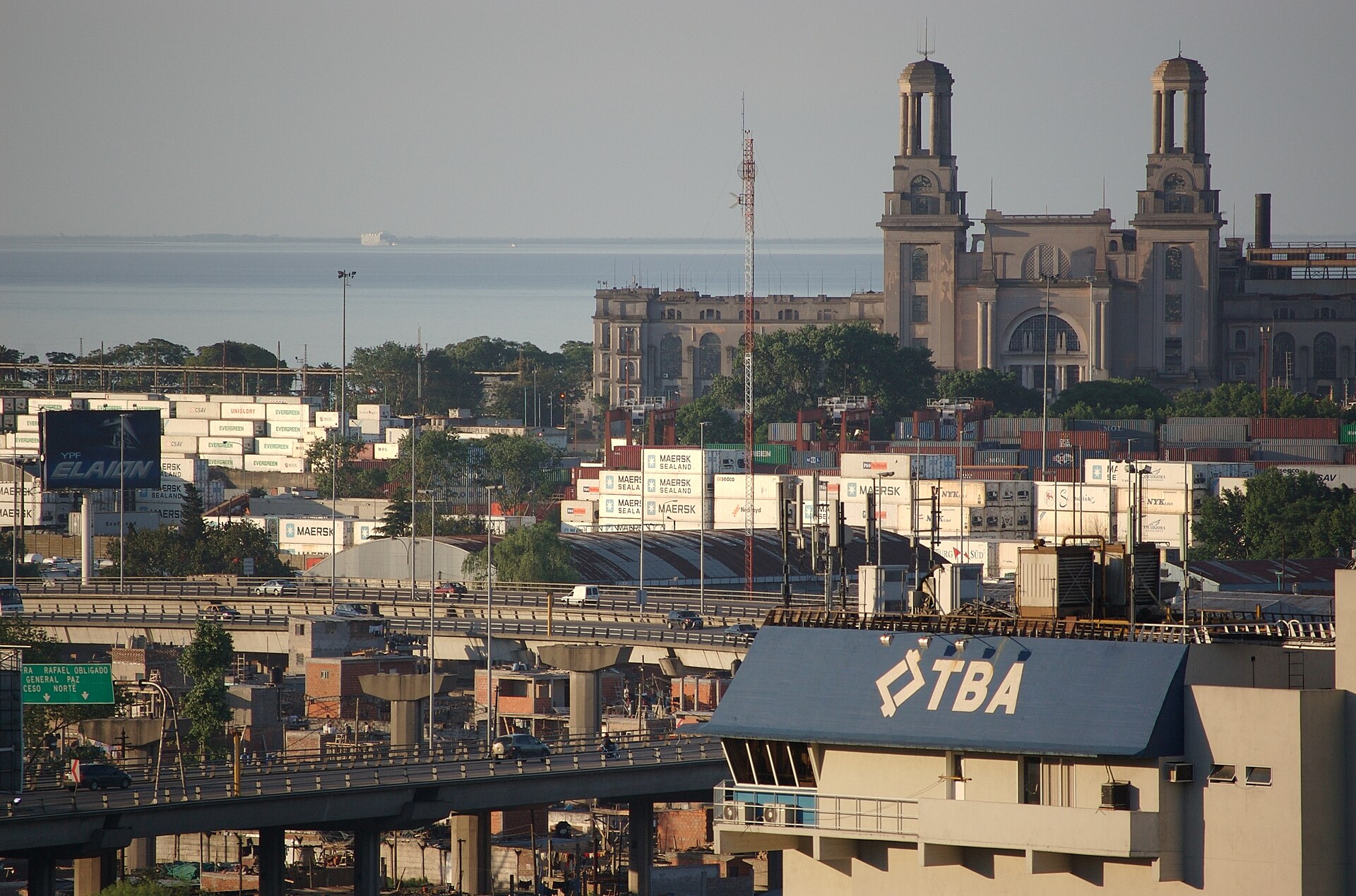
The soy complex was the largest earner at US$5.883 billion. Oil and petrochemicals followed with US$5.030 billion, ahead of corn at US$2.597 billion and the car industry at US$2.533 billion.

Energy joins the harvest
The second quarter is usually Argentina’s strongest, because the soy and corn harvests are shipped then. In 2024 it also produced that year’s largest surplus, US$3.503 billion.
What stands out this year is energy. Oil and petrochemical sales now rival soy, as output grows in the Vaca Muerta shale formation in Patagonia.
The industry wants more. YPF, the state-controlled energy company, is still gathering financing for its planned liquefied natural gas export project.
Gold and silver brought in US$1.591 billion, beef and leather US$1.398 billion and sunflower products US$1.066 billion.
Profits flowing out
Not all of the export windfall stayed in the country. The primary-income account, which records interest and investment returns, showed a deficit of US$6.032 billion.
That deficit grew by US$2.466 billion in a year. Most of the increase came from profits and dividends earned by foreign-owned companies, up US$2.158 billion.
Interest payments rose too. A large part is owed by the government to the International Monetary Fund and other international lenders, INDEC said.
Services remained in deficit at US$2.102 billion, though US$330 million less than a year earlier. Foreign visitors spent more, and fewer Argentines travelled abroad, cutting the travel gap to US$1.229 billion.
Reserves and debt
Balance-of-payments transactions added US$3.703 billion to central bank reserves in the quarter. A year earlier the increase was US$14.271 billion, swollen by IMF and other multilateral disbursements.
Gross external debt rose US$4.724 billion from March to US$327.855 billion at face value by 30 June. Government debt grew as the Treasury sold long-term bonds abroad.
Foreign investors bought US$4.933 billion of government debt securities in the quarter. Central bank external debt fell by US$1.262 billion.
Argentina’s net international investment position, its foreign assets minus its foreign liabilities, stood at a creditor balance of US$33.860 billion.
What it means for the peso
A current-account surplus means more dollars coming in than going out through trade and income. That eases pressure on the peso and on the central bank’s reserves.
Economy Minister Luis Caputo said exports of goods and services reached a record in the quarter, El Cronista reported. Together they totalled US$32.499 billion, up 28.2% on the year.
The figure came late on Tuesday and did little for stocks. The Merval fell for an eighth session, even as dollar bonds recovered.
The balance still swings with the seasons, as the first-quarter deficit showed. Investors will watch whether energy exports keep growing once the harvest shipments fade in the second half.
More: Argentina news, every day from The Rio Times.
Frequently Asked Questions
What is Argentina’s current account?
It measures what Argentina earns from abroad through exports, income and transfers against what it pays out. In the second quarter of 2026 it showed a US$2.214 billion surplus.
Why did the current account return to surplus?
Goods exports rose US$6.5 billion to US$27.557 billion, led by soy, oil and petrochemicals and corn. Imports fell slightly, to US$18.264 billion.
What held the surplus back?
Profits, dividends and interest paid abroad produced a primary-income deficit of US$6.032 billion, and services were US$2.102 billion in deficit.
Sources: INDEC — Balanza de pagos, posición de inversión internacional y deuda externa, segundo trimestre de 2026 · El Cronista · Los Andes