By The Rio Times | Created at 2026-08-13 17:06:55 | Updated at 2026-08-13 18:14:47
1 hour ago
By The Rio Times | Created at 2026-08-13 17:06:55 | Updated at 2026-08-13 18:14:47
1 hour ago
Latin America · Markets
Key Facts
- The claim A Bank of America (BofA) figure of about US$10 billion in inflows tied to a Latin American index upgrade has been circulated to us. The Rio Times could not verify that number against a published BofA report.
- The market in play The upgrade candidate is Argentina, stuck in MSCI’s lowest “standalone” tier since 2021.
- Latest decision MSCI’s June 2026 review left Argentina as standalone again — no upgrade.
- What is on record JPMorgan estimated roughly US$1 billion in passive inflows; Morgan Stanley put it near US$5 billion into local shares; some analysts cite up to US$3 billion.
- The blocker Capital controls that stop foreign investors moving money in and out freely.
- The timeline The earliest realistic path is a reclassification decision around June 2027, with actual inclusion possibly in 2028.
A single label change at an index company can push billions of dollars into a country almost overnight. That is the prize Argentina keeps reaching for — and keeps missing. Here is what would actually have to happen, and how much money is really on the table.
You may have seen the headline number: a bank analysis suggesting an Argentina MSCI upgrade could funnel around US$10 billion into Latin America. It is a tempting figure. But when we went looking for the report behind it, the money on record was a good deal smaller — and the upgrade itself has not happened.
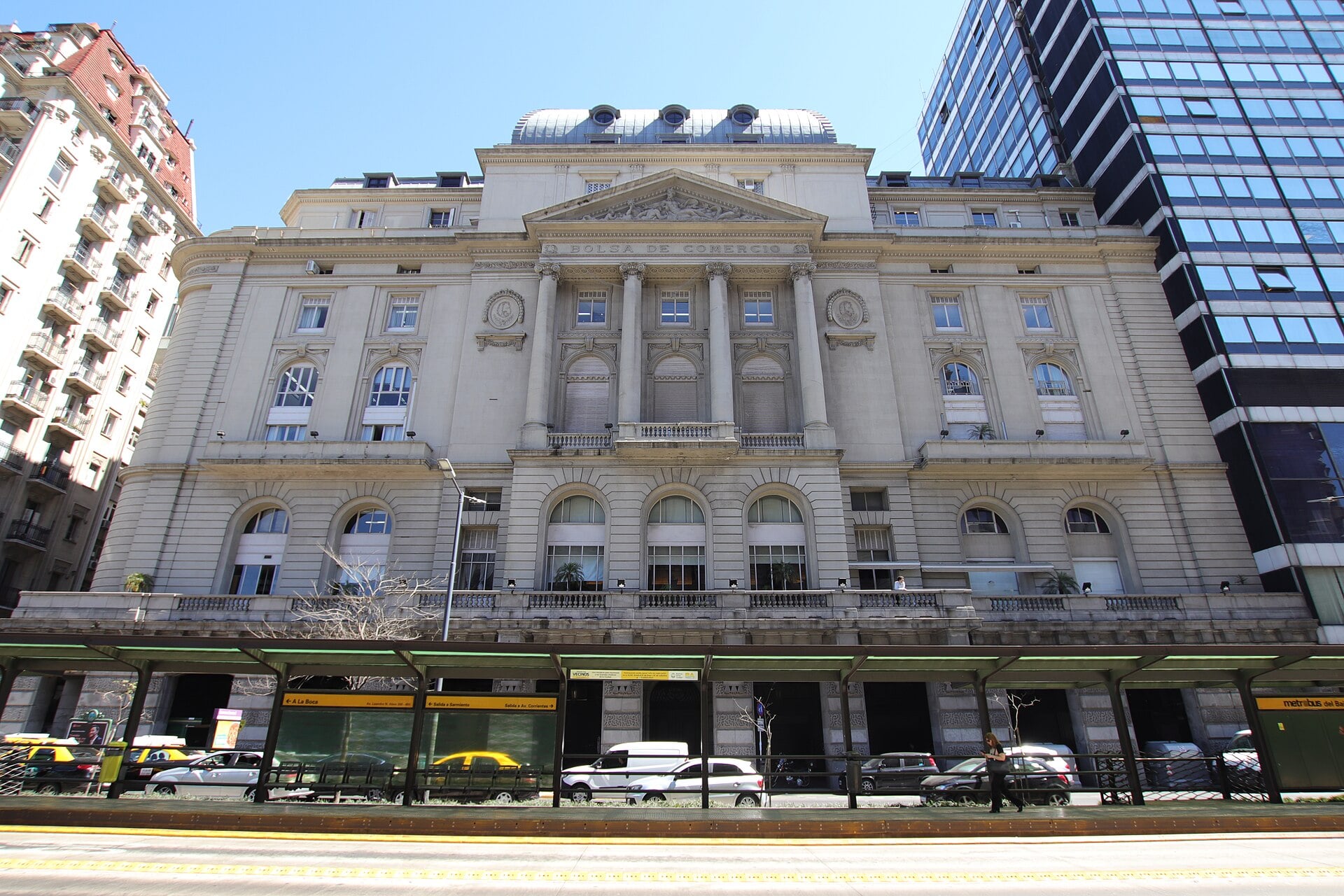
What an Argentina MSCI upgrade would actually do
Start with the mechanics, because they are the whole story. Every year, a company called MSCI sorts the world’s stock markets into tiers.
The top tier is “developed.” Below that sits “emerging,” then “frontier,” and finally a lonely bin called “standalone.” Argentina is in that last bin.
An upgrade would move Argentine shares back into the emerging-market group. That matters because thousands of funds are built to copy those groups exactly.
When a country joins the emerging list, those funds are forced to buy its shares to match the index. That buying is the “inflow” everyone talks about.
Live Market IntelligenceArgentina — Live Market BoardInside: market breadth, the sector heatmap, currencies & rates, the Latin America scoreboard and the full instrument board.Rio Times · Live Market Intelligence
Argentina — Live Market Board
BYMA · Buenos Aires
Aug 13, 2026 · 13:48
S&P MERVAL · benchmark
3,009,935
+0.35%
L 2,991,150day rangeH 3,042,365
+30.51% over 12 months
Market breadth · 14 names
29% advancing
4 ▲ advancing10 declining ▼
Currencies, rates & key inputs
Sector heatmap · average move today
Utilities
+1.27%
PAMPA, CEPU
Materials
-0.57%
ALUAR, LOMA NEGRA
Telecom
-0.70%
TELECOM ARG
Financials
-1.07%
GGAL, COME, BYMA
Technology
-2.26%
GLOBANT
Consumer Disc.
-2.40%
MIRGOR, MERCADOLIBRE
Latin America scoreboard
IndexLastTodayStrength
IbovespaBrazil
166,662.79
-0.49%
S&P/BMV IPCMexico
65,383.27
-0.57%
S&P IPSAChile
10,959.80
-0.21%
S&P MERVALArgentina
3,009,935
+0.35%
MSCI COLCAPColombia
2,429.13
-0.05%
BVL S&P PerúPeru
58,814.75
+0.09%
Full instrument board
| MERVAL | 3,009,935 | +0.35% | +30.51% | 3,022,485 | 3,042,365 | 2,991,150 | — |
| USD/ARS | 1,493 | +0.10% | +12.96% | 1,491 | 1,494 | 1,480 | — |
| YPF | 7,810 | +0.26% | +72.84% | 7,790 | 7,850 | 7,600 | 1,763,858 |
| GGAL | 6,980 | -0.78% | +1.82% | 7,035 | 7,115 | 6,920 | 1,564,062 |
| PAMPA | 5,115 | +0.69% | +26.70% | 5,080 | 5,140 | 5,000 | 721,190 |
| TXAR | 747.50 | -2.35% | +18.67% | 765.50 | 770.00 | 742.50 | 771,892 |
| ALUAR | 938.00 | -1.21% | +29.83% | 949.50 | 951.00 | 932.50 | 135,426 |
| TGS | 8,870 | -0.17% | +15.05% | 8,885 | 9,075 | 8,720 | 143,546 |
| CEPU | 2,156 | +1.84% | +28.36% | 2,117 | 2,165 | 2,086 | 404,146 |
| MIRGOR | 1,650 | -1.20% | -92.90% | 1,670 | 1,670 | 1,635 | 20,877 |
| COME | 40.93 | -0.73% | -30.47% | 41.23 | 41.60 | 40.50 | 4,258,884 |
| LOMA NEGRA | 3,130 | +0.08% | +5.80% | 3,128 | 3,205 | 3,090 | 182,992 |
| BYMA | 275.00 | -1.70% | +35.14% | 279.75 | 282.50 | 272.00 | 1,409,575 |
| TELECOM ARG | 4,233 | -0.70% | +55.19% | 4,263 | 4,335 | 4,160 | 31,896 |
| GLOBANT | 38.10 | -2.26% | -49.65% | 38.98 | 38.70 | 36.77 | 793,552 |
| MERCADOLIBRE | 1,870 | -3.59% | -20.71% | 1,940 | 1,927 | 1,870 | 329,640 |
Largest moves today
MERCADOLIBRE
1,870
-3.59%
TXAR
747.50
-2.35%
GLOBANT
38.10
-2.26%
CEPU
2,156
+1.84%
BYMA
275.00
-1.70%
ALUAR
938.00
-1.21%
MIRGOR
1,650
-1.20%
GGAL
6,980
-0.78%
The session read
The S&P MERVAL rose 0.35%, with breadth negative — 4 of 14 names higher. Utilities led, while Consumer Disc. lagged.
From The Rio Times
Related coverage · 13 Aug 2026
Falabella and Cencosud Headcount Falls by About 5,000 in the First Half of 2026
Read →
So what is MSCI, in plain words?
MSCI is a New York firm that builds stock-market scorecards, called indexes. Think of an index as a shopping list of companies that stands in for a whole market.
Huge pools of money quietly track those lists. This is what people mean by “passive” investing: the fund does not pick winners, it just holds whatever is on the index, in the same proportions.
So when MSCI adds a country, it is not giving advice. It is effectively sending a buy order to every fund that copies its list.
That is why a label change can move real money. The decision is technical, but the cash that follows is very real.
About that US$10 billion
Here is where we have to be straight with you. We could not confirm a published Bank of America report putting the figure at US$10 billion for a Latin American index upgrade.
The numbers we could verify are smaller. JPMorgan estimated close to US$1 billion in passive inflows if Argentina rejoined the emerging-market indexes — about US$786 million into the main index and US$176 million into the small-cap one.
Morgan Stanley has floated a bigger figure, near US$5 billion into local shares, and some analysts have cited up to US$3 billion. Those are the estimates on the record.
Treat the US$10 billion headline with caution, then. It may bundle in active managers and multi-year bets, but as a clean, sourced number it did not hold up when we checked.
Why the money is stuck outside for now
The reason Argentina keeps missing the upgrade is simple: money cannot flow freely in and out. Since 2019, capital controls have limited how foreigners buy shares and take profits home.
MSCI has said plainly that until investors can move cash without friction, it has little reason to lift the label. Its June 2026 review kept Argentina as standalone for exactly that reason.
President Javier Milei’s government has eased some rules and moved to a managed float. But officials have signaled they are in no rush to scrap the remaining barriers.
So the calendar matters. Analysts see a possible consultation and reclassification around June 2027, with actual index inclusion perhaps in 2028 — and only if the controls keep loosening.
Why this matters if you live or invest in the region
If your savings or pension touch an emerging-market fund, an upgrade would quietly hand you a sliver of Argentine stocks like YPF or Banco Macro. You would not lift a finger; the fund would buy them for you.
If you live in Argentina, the effect is more direct. A wave of forced buying tends to lift local share prices, strengthen the peso, and make it cheaper for local firms to raise money and hire.
But the flip side is just as real. Miss the upgrade, as Argentina did again this year, and bank stocks can fall on the disappointment — which is exactly what happened in June.
The honest read for now: the prize is genuine, but smaller and further off than the biggest headlines suggest. Watch the capital controls, not the round numbers.
Frequently Asked Questions
Is Argentina being upgraded by MSCI right now?
No. In its June 2026 review, MSCI kept Argentina in its lowest “standalone” tier, where it has sat since 2021. There was no upgrade to frontier or emerging-market status.
How much money would an upgrade really bring in?
Estimates vary. JPMorgan put passive inflows near US$1 billion, some analysts cite up to US$3 billion, and Morgan Stanley has suggested around US$5 billion into local shares. We could not verify a specific US$10 billion Bank of America figure.
What is stopping the upgrade?
Capital controls. Foreign investors still cannot move money in and out of Argentine shares freely, and MSCI has said it will not upgrade the market until that changes.
When could Argentina finally rejoin the emerging-market club?
The earliest realistic path is a reclassification decision around June 2027, with actual inclusion possibly in 2028 — and only if the country keeps easing its currency restrictions.
Sources: MSCI Market Classification Review (June 2026); JPMorgan and Morgan Stanley research as reported by Bloomberg, Investing.com and Buenos Aires Herald/Times; Reuters. The US$10 billion Bank of America figure could not be independently verified.