 By The Rio Times | Created at 2026-10-19 05:11:23 | Updated at 2026-10-19 19:26:28
14 hours ago
ARGENTINA · POLITICS
Key Facts
- —The country Argentina, South America’s second-largest economy, is led by President Javier Milei, whose party holds 21 of the 72 Senate seats.
- —Why it matters The bill would suspend the compulsory national primaries, called PASO, before the 2027 presidential election, which sets the calendar for Argentine assets held by US investors.
- —Why now Government officials say the Senate committee will not meet again on the bill until the votes are secured.
- —What happened On Sunday 18 October 2026 the government shelved plans for a committee opinion and a floor vote in the last week of October.
- —The numbers Changing the electoral rules needs 37 Senate votes; the ruling bloc has 21 and must find 16 more among allies and provincial blocs.
- —What it means for you The primaries question stays open while the budget takes priority, a calendar risk for US holders of Argentine bonds and shares.
- —Still open Whether governors can deliver their senators, whether the primaries are suspended or kept, and when the committee meets again.
- —Power Index Argentina ranks 4th of 14 in The Rio Times Latin America Power Index, with 61.2 points (October 2026 edition).
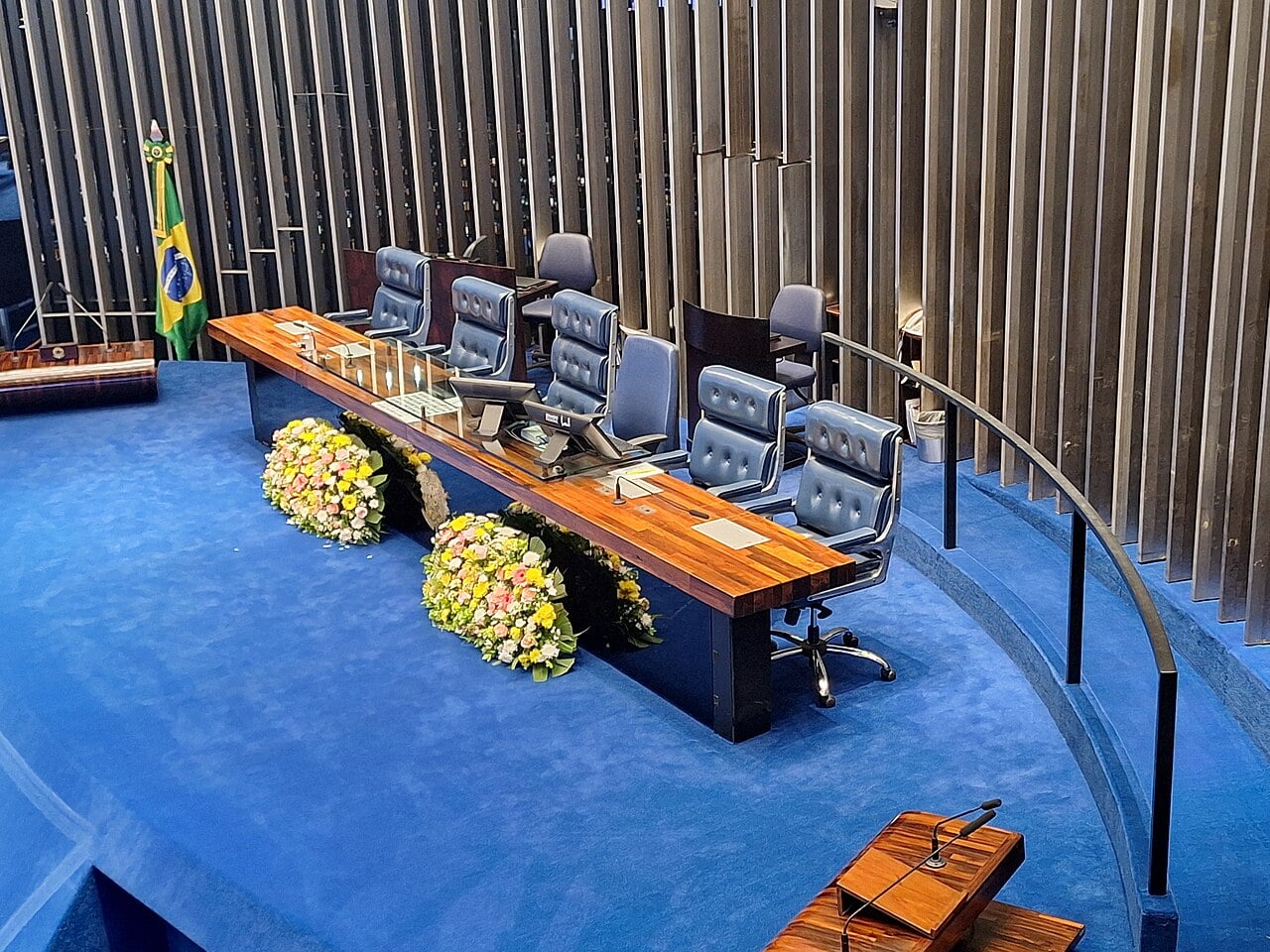
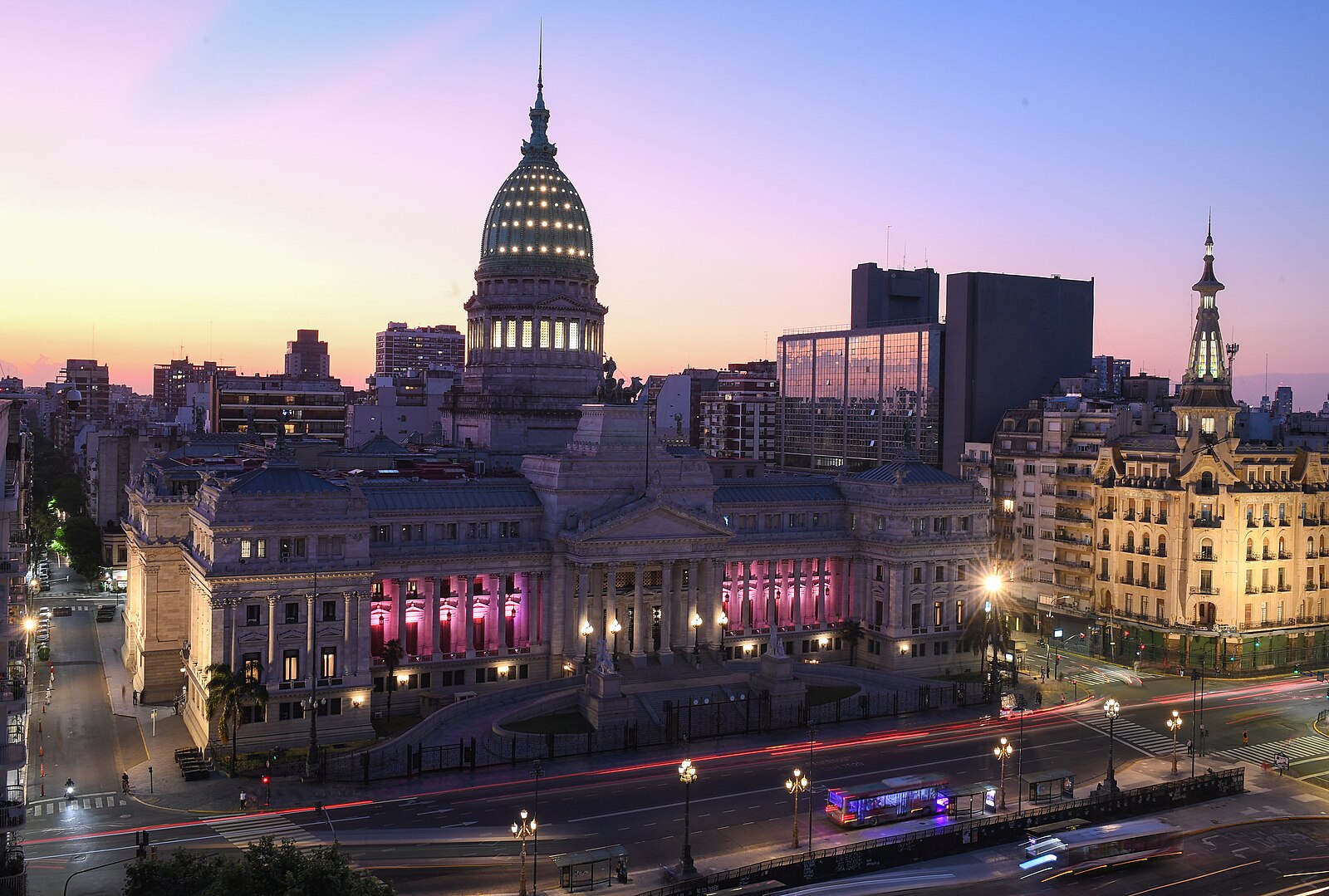
The Argentina primaries bill is on hold in the Senate after the government of President Javier Milei decided not to reconvene the key committee until it has the votes, TN reported on Sunday 18 October 2026. The bill would suspend the compulsory national primaries, known as PASO, ahead of the 2027 presidential election.
For US readers the delay matters because it keeps one more political event on the calendar of a country whose bonds and New York-listed shares many Americans hold. TN reports that a government sector fears an unfavourable presidential primary could raise doubts over the economic programme, which explains why suspension is a priority.
We followed the first attempt in Argentina’s Bid to Scrap PASO Primaries Stalls in the Senate and the talks with provincial leaders in Argentina Woos 5 Radical Governors to Suspend Primaries. The new step is that the government itself now says it will not call the committee until a deal is closed.
What Happened to the Argentina Primaries Bill
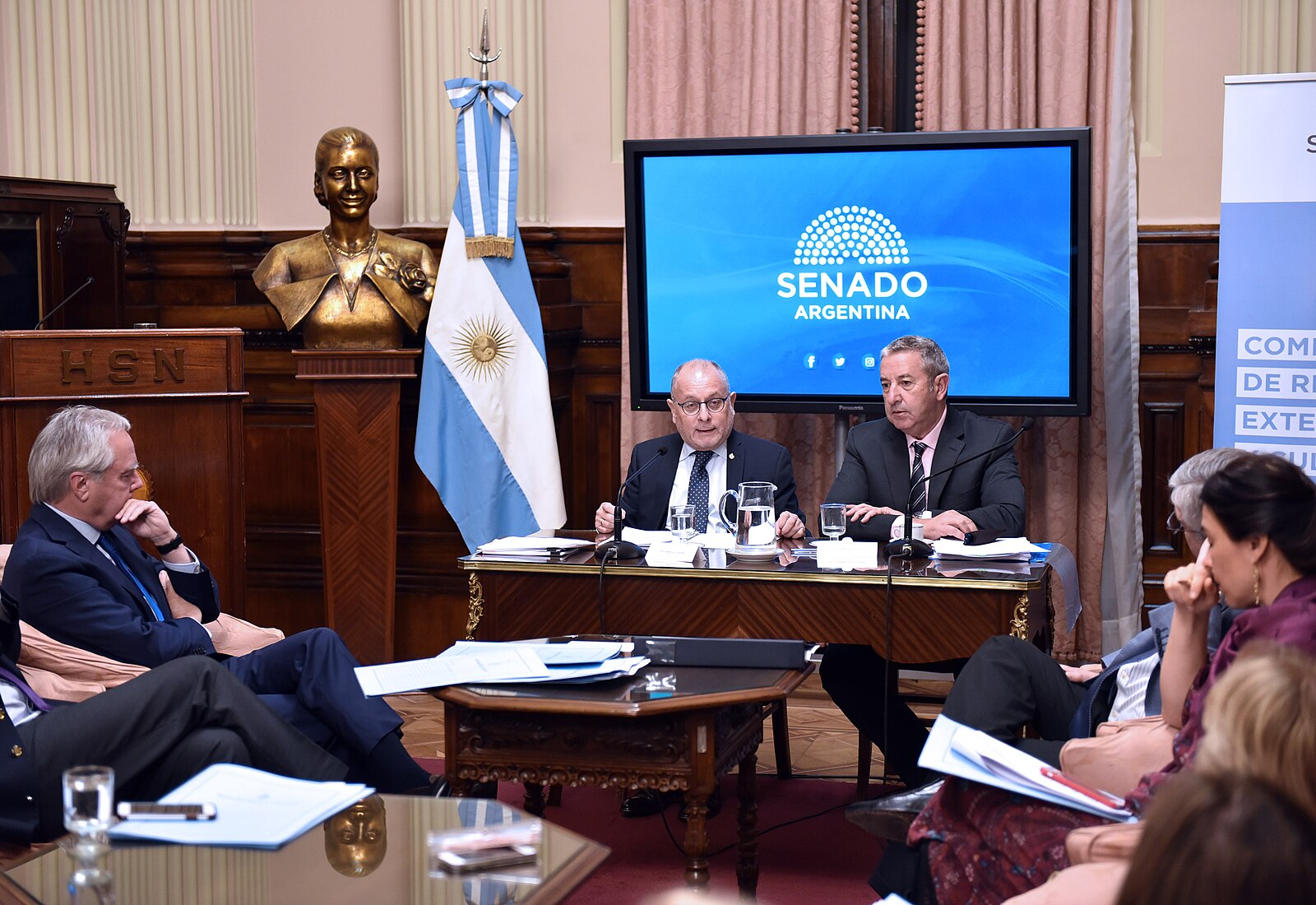
TN reports that the Executive is delaying the call to the Senate Constitutional Affairs Committee and will not push the bill again until it has the backing to pass it. “Until there is a closed agreement we are not going to convene,” government sources told the outlet, according to TN.
That ends the hope of some ruling-party figures of winning a committee opinion and taking the bill to the floor in the last week of October. TN says the last meeting of the government’s political table, held on Tuesday 13 October at the Casa Rosada, produced nothing that would bring a new date forward.
The committee last took up the reform on Tuesday 15 September, after a pause since 13 May, and again ended without a committee opinion. Perfil reported that day that the chairman, ruling-party senator Agustín Coto, adjourned the meeting without a date to resume.
TN’s sources are unnamed officials and members of the ruling bloc, so the account is not an official announcement. We found no public statement from the Senate or the Casa Rosada that sets a new date for the committee.
Follow this story
Get an email when there’s news on Argentina
Free. One email a day at most, and only when there is news. This also signs you up to our weekday newsletter, The LatAm Brief. Nothing arrives until you click the confirmation link, and you can stop either with one click. Privacy policy.
The Senate Arithmetic Behind the Delay
Changing the electoral rules needs an absolute majority of the 72-seat Senate, which is 37 votes. La Libertad Avanza, Milei’s party, has 21 senators and must find 16 more among the Radicals, the PRO, provincial blocs and dissident Peronists, TN reports.
The Radical Civic Union (UCR), a traditional centrist party, and the PRO, the party of former president Mauricio Macri, together have 13 senators. Perfil reported in September that they wanted the separate Ficha Limpia clean-record bill for candidates handled on its own, and that the ruling party refused.
Deals with governors do not automatically bring their senators, TN notes, because some Radical, PRO and provincial senators keep their own positions. Cabinet Chief Diego Santilli is talking to governors who say they would back suspending the primaries, but the Senate side still lacks individual commitments.
What the Government Wants to Change
TN says the talks now centre on two changes: suspending the national primaries for 2027 and adding a box to the single paper ballot that lets voters pick a whole party list with one mark. The original bill sought to abolish the primaries for good, but the government now speaks of suspension, which would leave the system in the law.
Perfil quoted libertarian sources in September saying “we will not get to eliminating the PASO, we will seek to suspend them”. The government also floats a mechanism that would let national and provincial parties strike different alliances in each province, TN reports.
Santilli argues that the primaries cost about US$200 million and can force voters in some provinces to vote five or six times a year. He told the broadcaster LN+ that “the electoral reform will happen”, in an interview Infobae published on 18 October, while noting the ruling party has no guaranteed votes.
Two Accounts of the Vote Count
The public picture is mixed. Perfil reported on Friday 16 October that the Speaker’s office calls the lower-house numbers secured, that opposition deputies see the government as already holding the votes, and that Santilli believes only a few Senate votes are missing.
The same Perfil report says the ruling-party Senate leader, Patricia Bullrich, confirmed the obstacle remains and that the backing is not yet there. Opposition lawmakers quoted by the paper suspect the hold-up is political and internal, which is their reading rather than an established fact.
Perfil also describes a split inside the government, with the Menem brothers favouring a harder line with allies while Santilli, Bullrich and the Caputo team want deals sooner. TN, for its part, says allies for 2027 are likely to be settled only towards the end of the year.
La Nación’s own count on 18 October found that only the 21 ruling-bloc senators plus three provincial senators, Julieta Corroza of Neuquén and Natalia Gadano and José María Carambia of Santa Cruz, can be treated as firm. Many names the Casa Rosada lists, including several Radicals, the PRO bloc and senators tied to the governor of Tucumán, remain uncommitted, which points the same way as TN: the 37 votes are not there yet.
The Calendar Leaves Little Room
The 2027 budget competes for the same weeks. TN puts the lower-house vote on it in mid or late November, and the Budget Committee chairman, ruling-party deputy Alberto Benegas Lynch, said on 13 October that the ruling party aims for a committee opinion on Wednesday 28 October and a floor vote on Wednesday 18 November, Noticias Argentinas and Perfil reported.
TN says the government increasingly expects to extend the ordinary sessions into December to gain room for talks. Perfil adds that House Speaker Martín Menem’s circle hopes the lower house could approve the reform by Friday 20 November and does not want it left to extraordinary sessions, although the paper reported in September that the Casa Rosada weighed deciding it in early 2027.
The National Electoral Chamber, the court that oversees elections, asked in September that any change be approved before the end of this year, Perfil reported. Bullrich backed that request at the time, and a slip into 2027 would miss it.
What It Means for You
For investors, the practical point is that the primaries question will stay open while the budget and other bills take priority. Our explainer Kicillof vs Milei: Argentina’s 2027 Election Explained shows how the 2027 matchup is already being priced by analysts, and Santilli Warns Governors on Kicillof, 16 Oct covers the governors’ side of the bargain.
For residents and visitors, nothing changes now, because the current electoral rules stay in force until Congress passes a law. Our guide Who Dominates Argentina, Elites and Regions Explained explains why provincial governors carry so much weight in Senate votes.
What Is Not Known
The central claim, that the government will not call the committee until it has a closed deal, comes from TN’s unnamed sources and was not repeated on the record by an official in the material we reviewed. Perfil’s report of 16 October confirms that the bill has not been activated in the Senate and that Bullrich says the votes are missing, and La Nación’s count of 18 October shows the same shortfall.
The sources give no count by senator, so it is not known how many of the 16 missing votes are close to a deal. The view in Perfil that the numbers may already exist comes from opposition lawmakers and is not confirmed.
It is also unknown whether the government will accept a suspension limited to 2027 or insist on abolition, and whether governors will demand more in return. The next signals will be the budget committee opinion expected on 28 October and any call for the committee to meet again.
Frequently Asked Questions
What is the Argentina primaries bill?
It is a proposal to suspend, and originally to abolish, the compulsory national primaries known as PASO before the 2027 election. It also changes the single paper ballot so voters can choose a full party list with one mark.
Why did the government pause the Senate vote?
TN reports that the government will not call the Senate committee until it has the backing to pass the bill. The ruling party has 21 senators and needs 37 votes.
Do the primaries still take place in 2027?
Yes, under current law, because no change has been approved. Santilli says the reform will pass, but the government has no guaranteed votes in Congress.
When could Congress vote on the reform?
No date is set. Reports point to the weeks after the 2027 budget vote in mid-November, possibly with extended sessions in December or extraordinary sessions in early 2027.
What does the delay mean for US readers?
It leaves one more political question open for investors in Argentine bonds and shares. The delay does not change any rule today, so everyday matters for visitors stay the same.
Sources: TN, 18 October 2026; Infobae, 18 October 2026; Perfil, 16 October 2026; Perfil, 15 September 2026; La Nación, 18 October 2026; Noticias Argentinas, 13 October 2026.
Editorial responsibility: Matthias Camenzind, Editor-in-Chief · Editorial standards · Report an error
The Rio Times · Power Map
See who really holds power in Latin America
Click to open the Power Map →