By The Rio Times | Created at 2026-09-05 09:21:47 | Updated at 2026-09-05 09:57:34
1 hour ago
By The Rio Times | Created at 2026-09-05 09:21:47 | Updated at 2026-09-05 09:57:34
1 hour ago
ARGENTINA · ECONOMY
Key Facts
- —What happened Gross international reserves recovered past US$50 billion in the first days of September after a sharp August drop.
- —How big the move was Reserves rose US$1,948 million on 1 September to close at US$50,205 million.
- —The real story A further gain on 3 September came mainly from higher gold prices and a friendlier external market.
- —The catch The central bank’s own dollar buying in September has averaged just US$19 million a day.
- —Who it affects Importers, savers and bondholders, for whom the reserve level is the headline measure of stability.
- —What comes next The buying streak has run 26 consecutive sessions, but at a much smaller daily size than before.
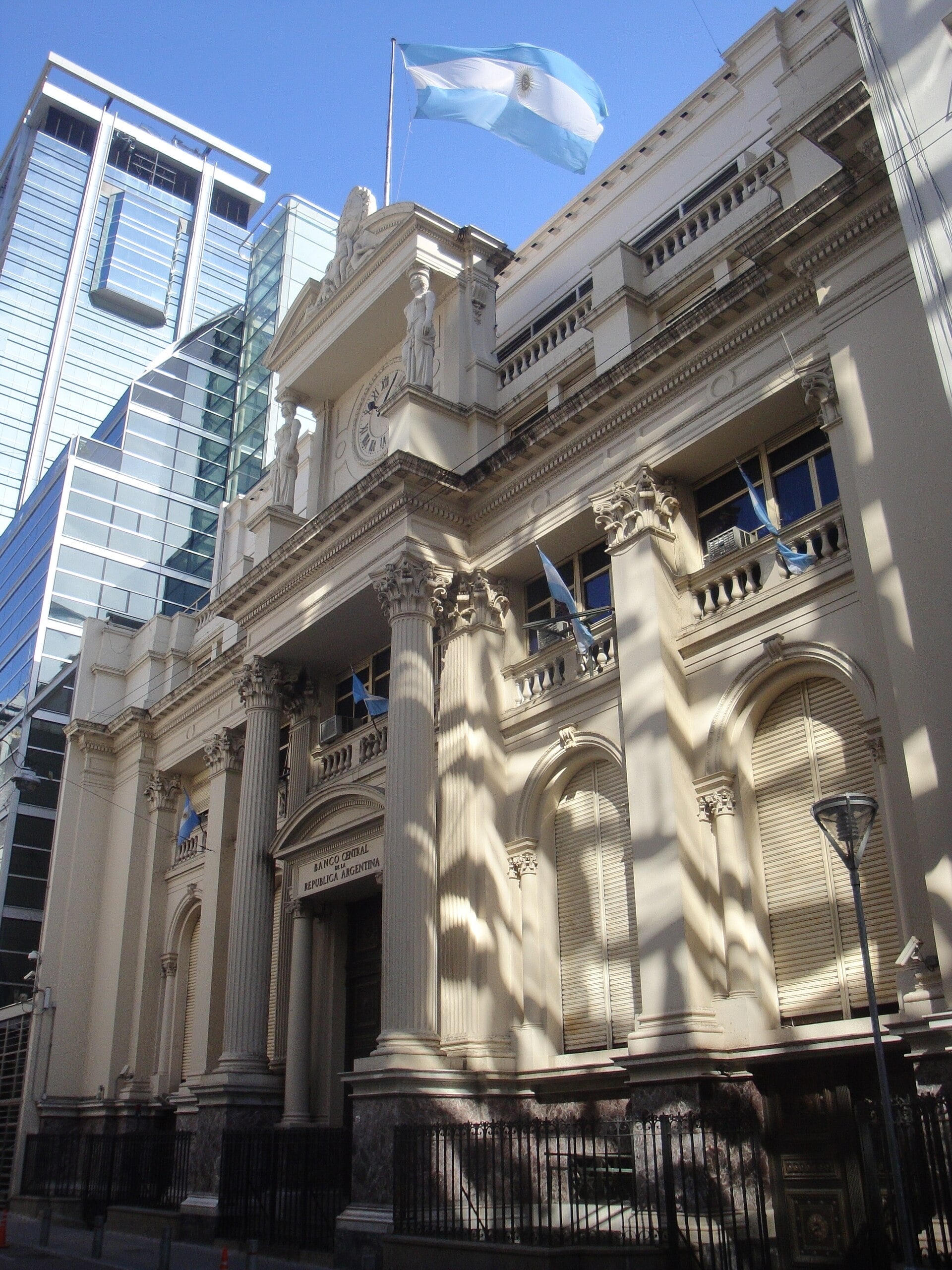
Argentina’s central bank is back above a round number it lost at the end of August. Very little of the recovery came from buying dollars.
One-stop reference
Company Intelligence
Every listed company in Latin America — financials, ownership and structure for 1,450+ companies across 26 exchanges, in one place.
Argentina’s central bank has recovered a number it lost in late August. Argentina reserves closed back above US$50 billion in the first days of September.
On 1 September gross international reserves rose by US$1,948 million. They closed at US$50,205 million.
Ámbito Financiero reported the figures. They come from the central bank’s daily publication.
The recovery followed a sharp fall at the end of August. That drop is what pushed the total below the threshold in the first place.
What Actually Drove the Argentina Reserves Recovery
This is where the story gets more interesting than the headline. Very little of the gain came from the central bank buying dollars.
On Thursday 3 September, reserves rose a further US$315 million to close at US$50,800 million. The explanation given was the rising value of gold.
A more favourable external environment for asset valuation was the second factor. Both are revaluation effects rather than inflows.
Central banks hold gold as part of their reserves. When the gold price rises, the reported total rises without a single ounce being bought.
The same applies to bonds and other assets held in the portfolio. A better market marks them up.
The Buying That Did Happen
The bank has been buying, and the streak is long. It extended to 26 consecutive trading sessions.
The size is the problem rather than the consistency. September’s average daily purchase was US$19 million.
The net foreign-exchange purchase balance for September reached US$58 million by 3 September. That is a small contribution against a total above fifty billion.
So the picture is a bank that keeps showing up in the market and buys very little each time. That is a deliberate pace, not an accident.
Why Gross Reserves Are a Rough Measure
The figure quoted in headlines is gross reserves. It counts everything the bank holds, including money that is owed to others.
Swap lines, bank deposits held in dollars and other liabilities sit inside that number. Net reserves, which strip those out, are considerably smaller.
This is why analysts and the International Monetary Fund track net figures. A gross total can rise while the usable cushion does not.
None of that makes the gross figure meaningless. It is the number markets react to, which gives it a life of its own.
What It Means in Practice
For importers, the Argentina reserves level is a proxy for access to foreign currency. A comfortable number reduces the pressure for administrative rationing.
For savers, it is a proxy for how long the exchange-rate regime can hold. Argentines read reserve figures the way others read inflation prints.
For bondholders, it feeds directly into the risk premium. Argentina’s country risk has been falling through this period.
And for the government, a round number recovered is a political asset. That is why the fifty billion threshold gets the attention it does.
What to Watch
The first thing is whether the gold effect reverses. Revaluation gains disappear as quickly as they arrive.
The second is the daily purchase size. Nineteen million dollars a day is a very slow way to build a cushion.
The third is the net figure rather than the gross one. That is the number that determines what the bank can actually spend.
The fourth is the calendar. Argentina reserves face known payment dates, and each one tests the level again.
More: Argentina news in English, every day from The Rio Times.
Frequently Asked Questions
How high are Argentina’s reserves?
Gross international reserves closed at US$50,800 million on 3 September 2026, after rising US$1,948 million on 1 September to US$50,205 million.
What caused the increase?
Mainly the rising value of gold held in the portfolio and a more favourable external environment for asset valuation, rather than large purchases of dollars.
Is the central bank buying dollars?
Yes, but in small amounts. It has bought on 26 consecutive trading sessions, averaging US$19 million a day in September, with a net September balance of US$58 million by the 3rd.
What is the difference between gross and net reserves?
Gross reserves count everything the bank holds, including borrowed funds and liabilities. Net reserves strip those out and are considerably smaller.
Why does the fifty billion level matter?
It is a psychological threshold that markets and the government both watch. Reserve levels feed into the country risk premium and into expectations about the exchange rate.
Sources: Ámbito Financiero, Banco Central de la República Argentina, Rio Times.