By The Rio Times | Created at 2026-08-12 17:16:56 | Updated at 2026-08-12 17:52:40
35 minutes ago
By The Rio Times | Created at 2026-08-12 17:16:56 | Updated at 2026-08-12 17:52:40
35 minutes ago
Bogotá · Things To Do
Key Facts
- Festival dates Estéreo Botánico just wrapped its second edition, held Friday 7 August to Sunday 9 August 2026, 9:00 a.m.–5:00 p.m. daily.
- Admission price General entry is COP$16,000 for Colombian nationals and COP$38,000 for foreign visitors (about US$5 to US$12). The Tropicario dome requires a separate ticket.
- Main venue Jardín Botánico José Celestino Mutis, including the Tropicario dome, in central Bogotá.
- Special events V Bonsai Exhibition (August 14-17), bicycle tours and paramo talks for World Water Week (August 20-23), plus weekly guided trails and workshops.
- Regular programming Thematic trails, guided walks, workshops, cine-forums, art therapy, and natural yoga sessions are offered weekly through late August.
- Family focus Many activities are designed for children and families, including educational and accessibility-oriented visits.
- Virtual options Some workshops and reading activities are available online for those who cannot attend in person.
For expats and digital nomads, the garden isn’t just a green escape—it’s a low-cost entry point into Bogotá’s local arts scene. Music, wellness, and environmental education meet in one walkable space.
Looking to slow down in Bogotá without spending a fortune? The Bogota Botanical Garden cultural agenda for August 2026 is your answer.
The Jardín Botánico José Celestino Mutis has packed the month with tours, workshops, concerts, and markets.
They are easy to join, even if your Spanish is still a work in progress. The second Estéreo Botánico Festival just wrapped, but plenty of highlights remain.
Up next is the V Bonsai Exhibition from August 14-17, plus World Water Week bicycle tours and paramo talks from August 20-23.
Weekly guided trails, workshops, cine-forums, art therapy, and natural yoga continue through late August.
You can wander the gardens, catch a live set, and join a yoga class without paying extra.
One-stop reference
Company Intelligence
Every listed company in Latin America — financials, ownership and structure for 1,450+ companies across 26 exchanges, in one place.
What the Garden Offers in August
The garden transforms into a daytime cultural hub all month long. Expect live music across genres, pop-up art installations, guided nature walks, and wellness sessions like natural yoga and art therapy.
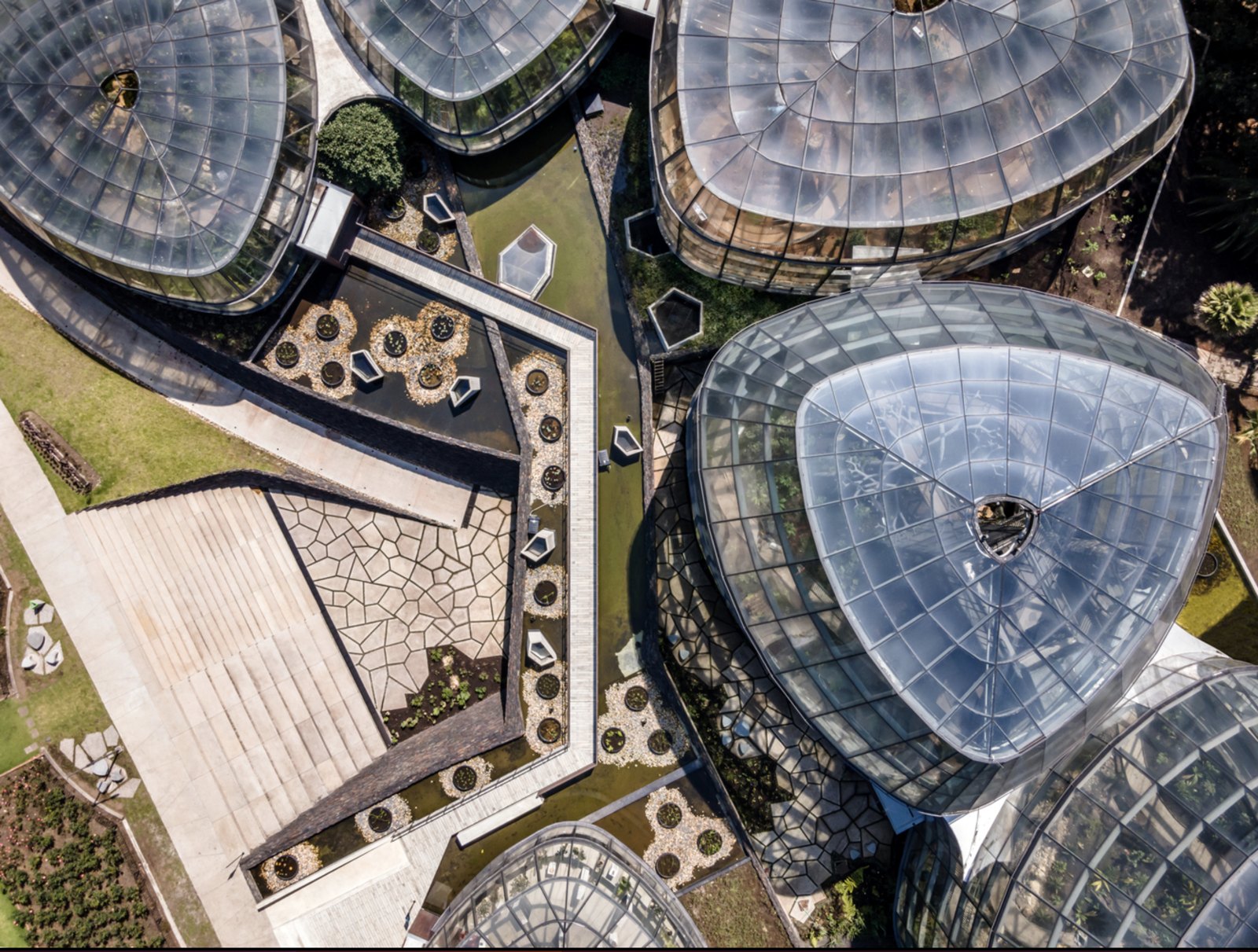
The Tropicario—the garden’s iconic glasshouse with distinct climate zones—is a must-see. You can move from a tropical rainforest simulation to an open-air concert in a matter of minutes.
It’s a relaxed, family-friendly vibe rather than a late-night party. That makes it ideal for nomads who prefer daylight exploring.
Entry is simple: pay the general admission at the gate. It costs COP$16,000 for Colombian nationals and COP$38,000 for foreign visitors (about US$5 to US$12).
You’re in for the whole day. The garden is located near the Universidad Nacional, about 20 minutes by TransMilenio from most central neighborhoods.
Bring a reusable water bottle and sunscreen. Bogotá’s weather can shift from sun to drizzle in an hour, so a light jacket is smart.
Beyond the Festival: August’s Full Lineup
The V Bonsai Exhibition runs August 14-17, showcasing centuries-old miniature trees. Caretakers are on hand to explain the pruning and wiring techniques.
For World Water Week, August 20-23, the garden hosts bicycle tours and talks focused on páramo ecosystems. These supply much of Bogotá’s drinking water.
Thematic trails and guided walks run on weekends, led by botanists who explain the collection’s Andean, páramo, and Amazonian species. There are also hands-on workshops—think propagation, composting, and native-plant gardening.
Plus, cine-forums screen environmental documentaries under the open sky. For families, the educational activities are a hit.
Kids can join reading circles among the flowerbeds or take part in accessibility-oriented visits designed for visitors with disabilities. They are free with admission, though some workshops require advance registration on the garden’s website.
Check the virtual activities too. Several reading sessions and art-therapy classes are streamed online, so you can join from anywhere in the city or beyond.
Why It Matters for Expats and Nomads
Living in Latin America often means dealing with a city that feels overwhelming. Noise, traffic, and constant stimulation can wear you down.
The Bogota Botanical Garden cultural agenda offers a counterbalance. It’s a green, quiet space where you can engage with local culture without a big budget or fluent Spanish.
For digital nomads, it’s also a networking opportunity. The events attract a mix of Bogotanos, students, and international residents.
It’s easy to strike up a conversation over a shared interest in plants or music. The garden is a public institution, so the programming reflects local priorities—environmental education, community wellness, and cultural access.
That gives you a genuine window into how Bogotá sees itself. For investors and long-term expats, the garden is a small but telling indicator of the city’s quality of life.
Events are affordable, yet they draw thousands of attendees. That signals a healthy public space and a population that values cultural participation.
That’s the kind of detail that makes a city livable—and attractive for remote workers deciding where to base themselves for a season. Plus, the agroecological farmers’ markets on select weekends are perfect for stocking up on local produce while supporting small-scale growers.
It’s a low-stakes, high-reward way to feel like you belong.
Practical Tips for Your Visit
Getting there is straightforward. The garden’s main entrance is on Avenida Calle 63, near the Universidad Nacional.
TransMilenio’s Calle 63 station is a short walk away. Taxis or ride-hailing apps are reliable from Chapinero or La Candelaria.
Arrive early on event days—by 9:00 a.m.—to beat the crowds and catch the morning yoga sessions. If you’re planning to attend a workshop or a guided walk, book ahead online.
Spaces fill quickly, especially for the bonsai exhibition and the water-week bicycle tours. The garden is open Tuesday to Sunday.
Most programming runs from 9:00 a.m. to 5:00 p.m., so plan your visit accordingly. Finally, don’t skip the Tropicario.
Even if you’ve seen botanical gardens elsewhere, this glasshouse is a standout. It recreates four distinct ecosystems under one roof, from dry desert to cloud forest.
During special events, it hosts small acoustic sets and art installations, which makes for a memorable afternoon. If you can’t make it in person, check the garden’s social media for live-streamed events.
The Bogota Botanical Garden cultural agenda is proof that you don’t need a big budget to experience the best of the city. You just need a willingness to wander.
Frequently Asked Questions
How much does it cost to enter the Bogotá Botanical Garden?
General admission is COP$16,000 for Colombian nationals and COP$38,000 for foreign visitors (about US$5 to US$12).
The Tropicario dome requires a separate ticket. Most August events are included with the general admission.
Do I need to register for workshops in advance?
Yes, for most workshops, guided walks, and the bicycle tours during World Water Week. Registration is available on the garden’s official website, and spaces are limited.
Thematic trails and exhibitions are first-come, first-served.
Is the garden accessible for people with disabilities?
Yes, the garden offers accessibility-oriented visits, and the main pathways are wheelchair-friendly. The Tropicario has ramps and elevators.
Some special events have designated accessible viewing areas.
Sources: Bogotá.gov.co, Jardín Botánico de Bogotá