By The Rio Times | Created at 2026-08-12 17:43:28 | Updated at 2026-08-12 18:15:10
52 minutes ago
By The Rio Times | Created at 2026-08-12 17:43:28 | Updated at 2026-08-12 18:15:10
52 minutes ago
Rio Times · USA & Canada Intelligence Brief August 12
Key Facts
—The number arrived American consumer prices rose 0.1% from June to July and 3.4% over the year, down slightly from 3.5%.
—Core held Prices excluding food and energy rose 0.2% on the month and 2.5% over the year, in line with forecasts.
—Wages are losing Inflation at 3.4% remains above wage growth of 3.2%, so prices again outpaced pay in July.
—Real pay fell Average hourly earnings slipped 0.2% from a year earlier in real terms, according to the labour statistics bureau.
—A call to act Cleveland Federal Reserve president Beth Hammack wrote on Tuesday that now is the time to act on inflation.
—Canada counts down A 50% American tariff on roughly $20 billion of Canadian goods takes effect in seven days.
USA & Canada Intelligence Brief August 12 — The inflation report everyone waited for arrived, came in as forecast, and settled nothing.
One-stop reference
Company Intelligence
Every listed company in Latin America — financials, ownership and structure for 1,450+ companies across 26 exchanges, in one place.
What it did show is that American prices again beat American wages in July.
United States – The Report, and What It Actually Said
Exactly as forecast
Consumer prices rose 0.1% from June to July and 3.4% over the year, slightly below June’s 3.5%, the labour statistics bureau reported on Wednesday morning. Prices excluding food and energy rose 0.2% on the month and 2.5% over the year.
Both figures matched what economists had forecast. A market that spent four days repricing interest rate expectations twice got a number that confirmed nothing new.
Elevated is not the same as accelerating
The annual rate has now edged down for a second consecutive month, which is genuine progress. It also remains well above the central bank’s 2% objective, with energy costs volatile.
The core measure at 2.5% is closer to target than the headline and is the number policymakers usually watch. Neither reading resolves the argument that has run all week.
American Households – Losing to Their Own Economy
Three point four against three point two
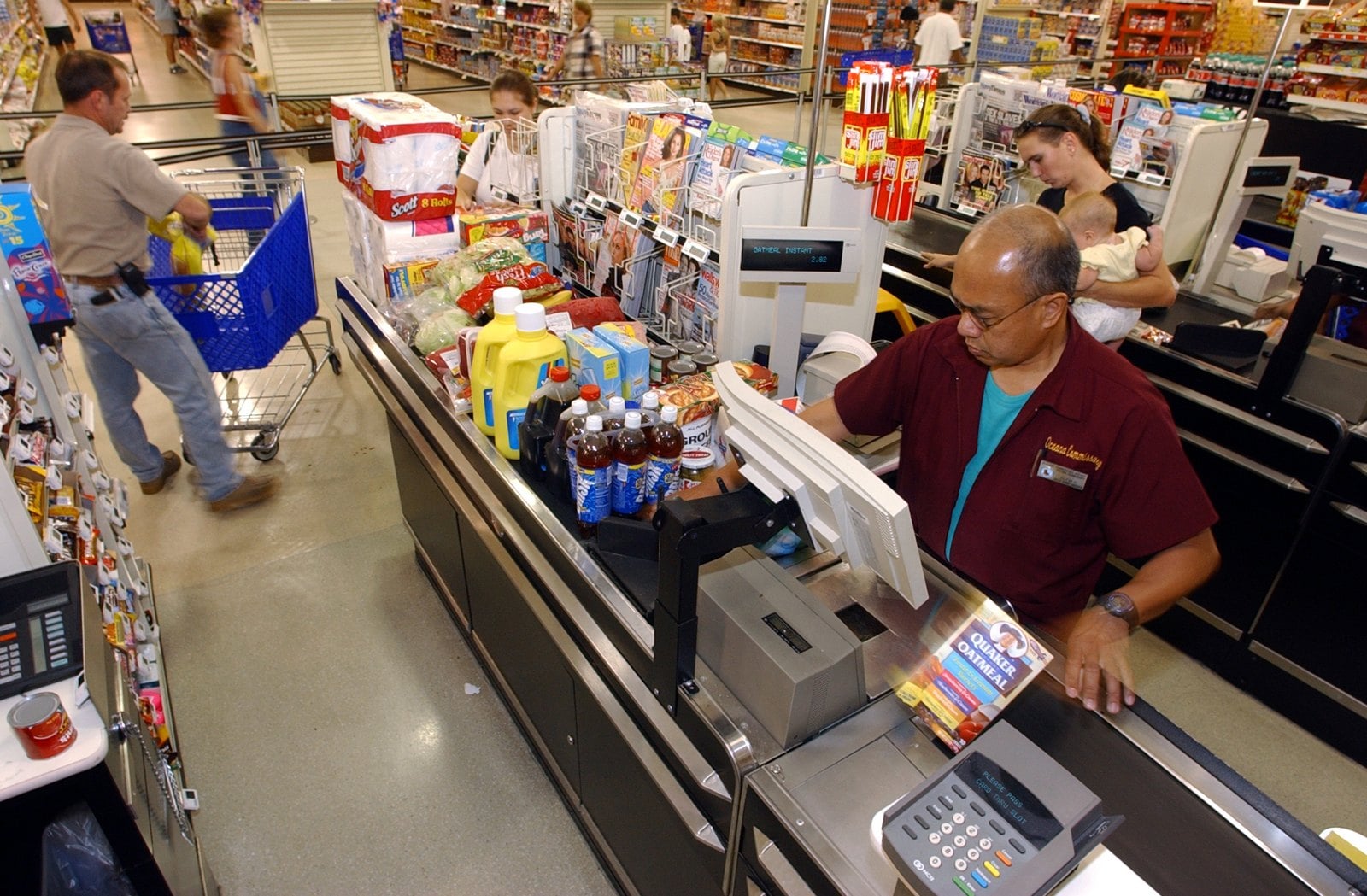
Inflation at 3.4% sits above wage growth, which was running at 3.2% as of last month. Average hourly earnings slipped 0.2% from a year earlier in real terms.
One economist noted that inflation has been eroding wage gains, calling it the central issue for middle and lower-income households. The savings rate has meanwhile fallen to a four-year low.
The quiet fact underneath the debate
Not everyone reads the labour data as weakness. Deutsche Bank economists note the July losses were concentrated in leisure and hospitality and local government education, while goods-producing employment and construction posted their strongest gains in months, with unemployment at its lowest since early 2025.
Both readings can hold at once, and the distinction matters for what happens next. A stable labour market with falling real pay and a shrinking savings buffer is a consumption problem rather than an employment one.
The Federal Reserve – Now Is the Time to Act
A public argument, made in public
Cleveland Federal Reserve president Beth Hammack wrote on Tuesday that now is the time to act. Waiting longer to bring inflation back to the 2% objective, she argued, would make it harder and more expensive for Americans.
She dissented at the July meeting in favour of raising rates, and told an interviewer this week that one quarter-point move probably does little. It is probably some number of them.
Standing still while others moved
The Federal Reserve has held rates unchanged through the recent conflict affecting Gulf shipping, even as central banks in Europe and Japan raised theirs. That divergence is now several months old.
An official writing publicly that the institution should move is a sign of how far the internal disagreement has travelled. Committees that agree do not publish.
American inflation eased to 3.4% and still beat wage growth of 3.2% — a country arguing about the direction of interest rates while its working households get quietly poorer every month.
The Week’s Remaining Tests
Producer prices tomorrow, retail Friday
Producer prices follow on Thursday at half past eight, expected up around 0.2% on the month after June’s 0.3% decline, with core producer prices forecast higher at 0.3%. Retail sales arrive Friday, after June spending ticked up 0.2%.
Those two figures now matter more than Wednesday’s did, and one number underneath them matters more still. The household savings rate has fallen to a four-year low.
And the long end, still where it was
The thirty-year Treasury yield remains near its highest in twenty years, with auctions arriving this week into exactly that level. It prices fiscal expectations rather than the next meeting.
Nothing in Wednesday’s report speaks to it. That is the number that sets long-term borrowing costs regardless of what happens in September.
Canada – Seven Days
A tariff on the calendar
A 50% American tariff on roughly 20 billion dollars of Canadian goods takes effect on 19 August, seven days from now. It covers products that comply with the continental trade agreement.
Canada added 75,100 jobs in July and cut unemployment to 6.4%, its lowest since July 2024. None of that moves the date.
A quieter central bank, for now
Canadian ten-year yields have been sitting near 3.68%, more than a full point below American equivalents, and at least one analyst house expects no policy change through 2026. The contrast with the argument in Washington is stark.
Ottawa’s position is competent and constrained in equal measure. It has done what it can control and is waiting on what it cannot.
What This Means From Latin America
A second month of easing, and a divided committee
Annual American inflation has now eased for two consecutive months, which is the direction regional borrowers need. Against that, a sitting Federal Reserve official is publishing arguments for raising rates.
A tightening cycle restarting in Washington strengthens the dollar and raises the cost of regional debt service. That risk has not receded despite Wednesday’s figure.
And the real wage story travels
Inflation outpacing wages is a consumption story before it is a monetary one. American households buying less reaches Mexican manufacturers and Brazilian exporters within quarters.
Watch Friday’s retail sales more closely than Wednesday’s prices. That is where falling real pay becomes an order book.
The Bigger Picture
The inflation report everyone waited for came in exactly as forecast and settled nothing. Consumer prices rose 0.1% on the month and 3.4% over the year, down from 3.5%, with the core measure at 2.5%.
The figure that matters is the comparison. Inflation at 3.4% is still above wage growth of 3.2%, real average hourly earnings fell 0.2% over the year, and July again saw prices beat pay.
For Latin American readers there are two reads. A Federal Reserve official publicly arguing to raise rates keeps dollar and debt-service risk alive despite two months of easing inflation, and falling real pay is a consumption story that reaches regional exporters within quarters.
USA & Canada Intelligence Brief August 12: What We Are Watching
- Thursday – Producer prices, expected up around 0.2% with the core measure forecast at 0.3%.
- Friday – Retail sales and consumer sentiment, with the savings rate already at a four-year low.
- 19 August – The 50% American tariff on roughly $20 billion of Canadian goods.
- September – The Federal Reserve meeting, with at least one official publicly arguing to raise.
- This week – Treasury auctions arriving into a thirty-year yield near twenty-year highs.
- Ongoing – Whether real wages turn positive, after inflation outpaced pay in July.
Go Deeper
The full US & Canada Intelligence Dossier — the interactive risk dashboard, the six people who matter and the downloadable PDF — is updated daily by the Rio Times Intelligence Desk.
More from the Rio Times Intelligence Desk on August 12: the Africa Intelligence Brief, the Asia Intelligence Brief and the Europe Intelligence Brief. For how these stories developed, see the USA & Canada Intelligence Brief for August 11 and the USA & Canada Intelligence Brief for August 10.
The USA & Canada Intelligence Brief August 12 returns tomorrow morning.
Frequently Asked Questions
What did the July United States inflation report show?
Consumer prices rose 0.1% from June to July and 3.4% over the year, slightly below June’s 3.5%, according to figures released by the Bureau of Labor Statistics on Wednesday 12 August. Prices excluding food and energy rose 0.2% on the month and 2.5% over the year, with both readings matching economists’ forecasts.
Are American wages keeping up with inflation?
No, inflation at 3.4% remains above wage growth, which was running at 3.2% as of last month, and average hourly earnings slipped 0.2% from a year earlier in real terms. One economist noted that inflation has been eroding wage gains, describing it as the central issue for middle and lower-income households.
What has the Federal Reserve said?
Cleveland Federal Reserve president Beth Hammack wrote publicly on Tuesday that now is the time to act, arguing that waiting longer to return inflation to the 2% objective would make it harder and more expensive to achieve. She dissented at the July meeting in favour of raising rates and has said one quarter-point move probably does little, so it is probably some number of them, while the Federal Reserve has held rates unchanged as central banks in Europe and Japan raised theirs.
What is Canada facing on 19 August?
A 50% American tariff on roughly 20 billion dollars of Canadian goods takes effect that day, covering products that comply with the continental trade agreement. It arrives despite Canada adding 75,100 jobs in July and reducing unemployment to 6.4%, its lowest level since July 2024, with Canadian ten-year yields near 3.68% and no policy change expected through 2026.
Sources: Bureau of Labor Statistics, NBC News, Fox Business, Kiplinger
This article was produced by The Rio Times’ automated newsroom system. How we use AI · Report an error