By Breitbart News Network | Created at 2026-10-05 18:37:08 | Updated at 2026-10-05 19:14:49
4 hours ago
By Breitbart News Network | Created at 2026-10-05 18:37:08 | Updated at 2026-10-05 19:14:49
4 hours ago
Sen. Sergio Moro, who rose to prominence as the judge who greenlit and oversaw the sprawling “Operation Car Wash” corruption investigation, was elected governor of Paraná state, Brazil, on Sunday.
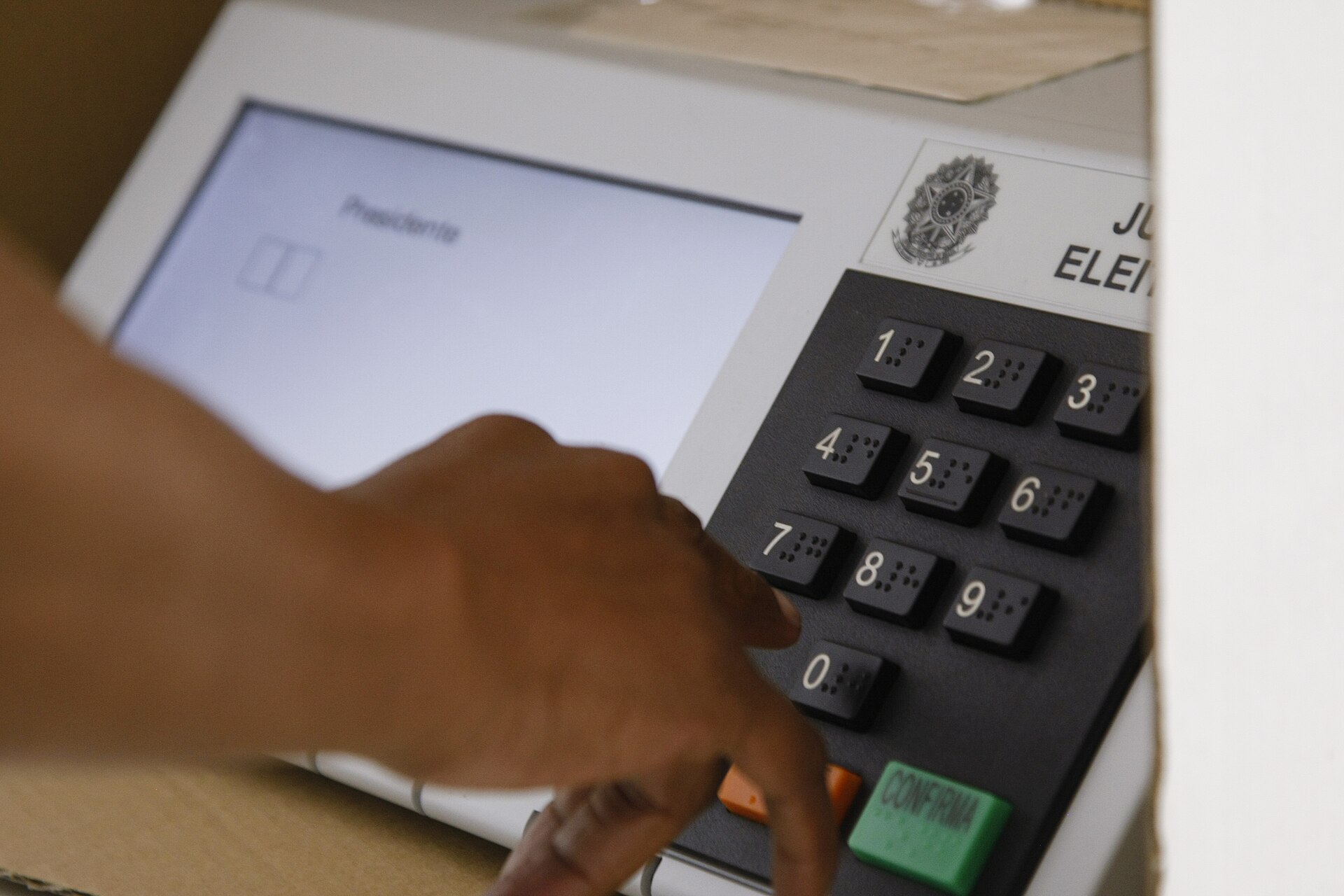
Moro rode a wave of right-wing support in the general election, which also featured contests for seats in the Brazilian congress and the presidency. At the top of the ticket, Sen. Flavio Bolsonaro, son of former President Jair, won the election, but came under the 50-percent threshold to outright win the presidency. He will face socialist incumbent President Luiz Inácio Lula da Silva in a runoff election on October 25.
In the congressional races, Bolsonaro’s conservative Liberal Party (PL), to which Moro belongs, nearly doubled its presence in the Senate and made significant inroads in the Chamber of Deputies, the lower house of the Brazilian congress. Bolsonaro’s narrow election win on Sunday, however, appears to have been the most shocking to Brazilian election experts, as polling consistently indicated that, while the race was close, Bolsonaro was trailing Lula by two to five points.
Moro organized an alliance that, in addition to the PL, included three right-leaning parties: Podemos, Christian Democracy, and Novo. He obtained over 50 percent of the vote in the race, which allows him to secure the governorship in one round of elections.
Moro’s rise to an executive government position is one of the most fascinating stories in Sunday’s elections. The senator’s national political career began while he was still serving as a low-level federal judge in the city of Curitiba, a position he first obtained in 1996. In 2014, a strange case came across his desk: local law enforcement officials wished to investigate a local car wash that appeared to be laundering money. Moro approved the investigations, which resulted in the discovery that the car wash was linked to a sprawling nationwide corruption scheme implicating dozens of elected officials, ultimately going all the way up to President Lula.
“Operation Car Wash,” as the investigation came to be known, consisted of, according to investigators, private contractors securing government infrastructure contracts through connections with political leaders. The contracts were intentionally overpriced, benefitting the companies, who then kicked back some of the excess funds to politicians to ensure similar contracts were signed in the future. The company most closely implicated in this scheme is the now-defunct enterprise Odebrecht, which ultimately spread its corruption throughout South America.
The “Operation Car Wash” scandal ultimately fueled the movement that forced the impeachment of former President Dilma Rousseff in 2016 and landed Lula in prison. The investigations that Moro approved resulted in the discovery that some of the laundered money ended up in Lula’s hands and was used to purchase a luxury beachfront property. Lula was sentenced to over 25 years in prison over the incident and banned from running for public office again, though the ban was ultimately overturned by the Supreme Federal Tribunal (STF), the nation’s top court, on procedural grounds.
Moro became a hero in Brazil and a symbol of anti-leftist resistance. Brazilian conservatives, particularly in the context of the 2018 presidential election, began hoisting up effigies of Moro at public rallies, alongside inflatable images of Lula in a prison suit known in Portuguese as pixulecos.
As a result of his role in “Operation Car Wash,” Moro was appointed to serve as minister of justice under the administration of conservative former President Jair Bolsonaro, who defeated Lula’s hand-picked candidate Fernando Haddad in the 2018 election while Lula was barred from running from public office. As a result, Moro became a target of condemnation from the left. In 2019, for example, the leftist website The Intercept accused Moro of having an improper bias against Lula during the Operation Car Wash investigation. The result of that accusation, however, was a wave of rallies in support of Moro in at least 70 cities in the country.
Moro left the minister of justice position in 2020 after falling out with Jair Bolsonaro. Moro accused Bolsonaro of not acting with sufficient urgency against state corruption.
“It wasn’t my intention to damage the government, but I wouldn’t feel comfortable with my conscience without explaining why I was leaving,” Moro said in a subsequent interview about his departure. “A whole scenario that has unfolded over the last year […] that showed that this new government was not fulfilling its promises to fight corruption and strengthen institutions.”
Since the return of Lula to power, Moro made amends with the Brazilian establishment right and is currently a member of the same party as the Bolsonaro clan. Jair Bolsonaro is currently under house arrest and unable to run for public office again until he is 105 years old after the STF, under Lula, convicted Bolsonaro of dubious “crimes against democracy.” In the same election that Lula won against Bolsonaro, in 2022, Moro was elected to the senate for Paraná, and remains an incumbent senator until he assumes the gubernatorial position in January.