By The Rio Times | Created at 2026-08-12 15:56:46 | Updated at 2026-08-12 19:19:05
3 hours ago
By The Rio Times | Created at 2026-08-12 15:56:46 | Updated at 2026-08-12 19:19:05
3 hours ago
Brazil · Economy
Key Facts
- —The signal Services activity was flat in June, unchanged from May, IBGE said on August 12.
- —Off the peak The sector now sits 0.3% below the record it set in October 2025.
- —Still growing Over the past year, services are up a solid 2.6%.
- —Bigger than before Activity remains about 20% above its level in early 2020, before the pandemic.
- —The cause Borrowing is costly; the central bank’s Selic rate is 14%, even after a fourth straight cut on August 6.
The part of the economy where most people actually work barely moved in June. And the reason leads straight back to interest rates.

One-stop reference
Company Intelligence
Every listed company in Latin America — financials, ownership and structure for 1,450+ companies across 26 exchanges, in one place.
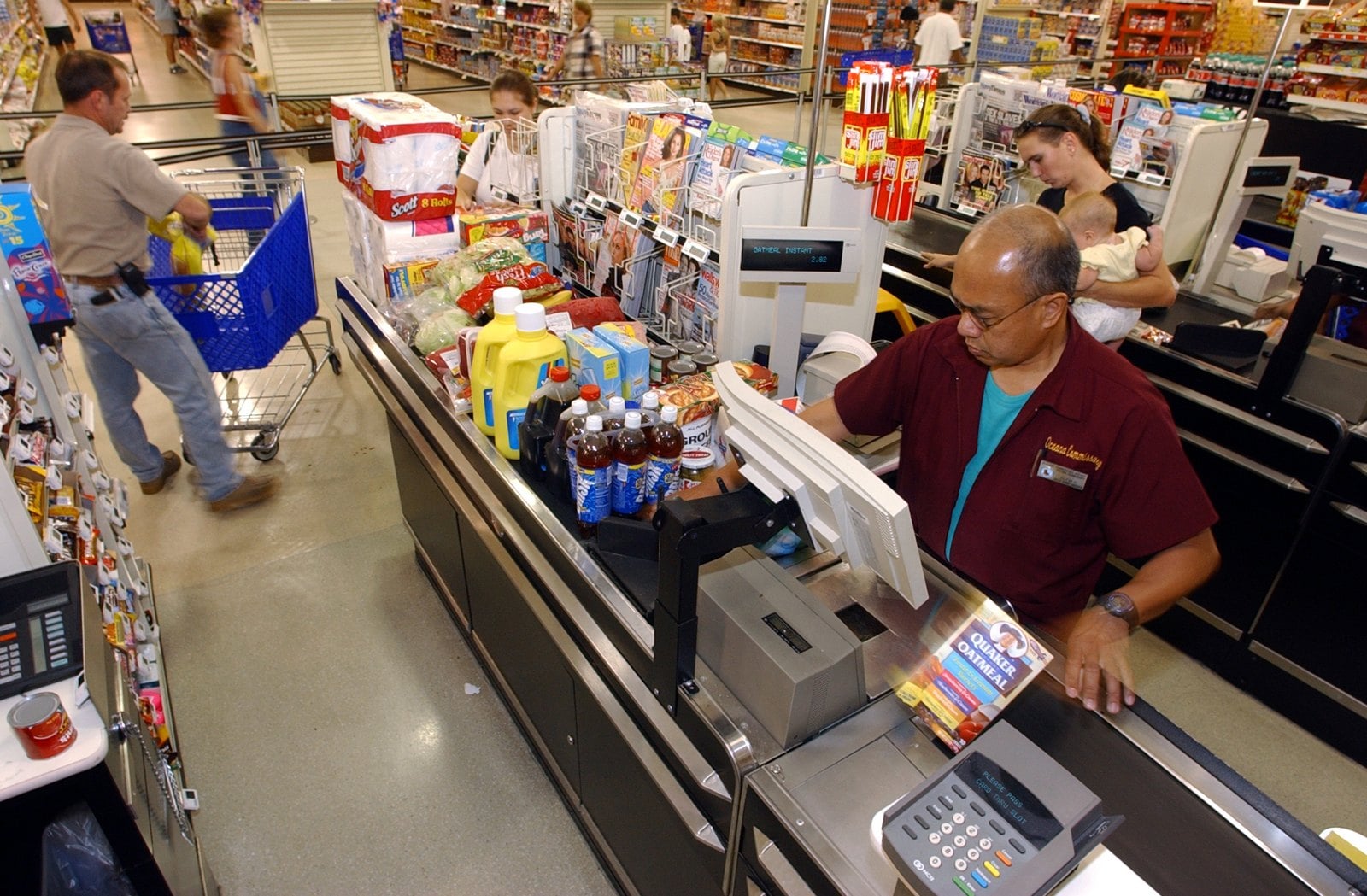
Brazil’s services sector is where the real economy lives, the corner shops and delivery riders, the dentists, hairdressers and software firms. It is where most people earn their paychecks and spend them.
So when it stops growing, that is worth paying attention to. And in June, according to the government’s statistics agency, it did exactly that: it stopped.
The month everything went still
On paper, June looks dull. Services activity came in exactly flat, unchanged from the month before.
But dull is the whole point. Services are the biggest part of Brazil’s economy, larger than farms and factories put together.
So when this engine idles, everyone feels it in the end. It shows up in waiters’ tips, in shop takings, and in how bold your boss feels about hiring.
That is why a flat month, boring as it sounds, is the kind of number economists actually lose sleep over.
Why this is more than a one-off
A single quiet month is easy to shrug off. The catch is that May was already slightly down, by 0.2%.
Two soft months in a row start to look like a pattern rather than a blip. Services have now slipped 0.3% below the all-time high they reached last October.
The economy is drifting away from its peak, not powering past it.
The reassuring part, so nobody panics
Step back, and this is a long way from a crisis. Measured against a year ago, services are still up a healthy 2.6%.
Activity is also around 20% higher than before the pandemic hit in early 2020. Brazil is busier and bigger than it was.
So this is not a recession. Think of it more as a runner easing off the pace after a long sprint.
What is really cooling Brazil’s services sector
Ask why, and the answer comes down to mostly one thing: the cost of borrowing money. Right now that cost is high.
The central bank’s key interest rate, called the Selic, sits at 14%. When loans and installment plans are that expensive, people hesitate.
They put off the trip, delay the kitchen renovation, and wait on the new contract. The bank has been easing, with a fourth cut in a row on August 6.
But 14% is still steep, and cheaper credit takes months to reach your wallet.
The upside nobody mentions
A slowdown sounds like bad news, and for shop owners it often is. But it comes with a genuine benefit.
When households spend more carefully, prices climb more slowly. Inflation in Brazil has indeed been cooling in recent months.
That matters for everyday budgets. Slower price rises mean your grocery bill and your rent are under a little less pressure.
It also gives the central bank confidence to keep cutting rates, since taming inflation is its main job.
What it means for you
Here is the quietly hopeful twist. A cooling economy gives the central bank room to keep lowering rates.
If services stay soft, more cuts become likely, and borrowing slowly gets cheaper heading into 2027. For a family weighing a car loan, or a small business eyeing new equipment, that is the real takeaway.
So the figure to watch is not June’s flat reading on its own. It is whether the slowdown deepens, because that decides how soon credit becomes affordable again.
Frequently Asked Questions
What actually counts as ‘services’?
Almost everything that is not farming or manufacturing: transport, technology, healthcare, tourism, cleaning, accounting. It is the biggest slice of Brazil’s economy.
Should I worry the economy is crashing?
No. Services are still growing over the year and sit near record highs. June simply showed no growth from May.
What is the Selic rate, in plain terms?
It is the interest rate the central bank uses to steer the economy. It was lowered to 14% on August 6, the fourth cut in a row.
How does any of this reach my daily life?
Through borrowing costs. As rates come down, loans, credit cards and financing gradually get cheaper, which frees up money to spend.
Sources: IBGE; Copom / Banco Central do Brasil; Reuters; EFE; Agência Brasil.