By The Rio Times | Created at 2026-08-10 15:30:01 | Updated at 2026-08-10 16:39:21
1 hour ago
By The Rio Times | Created at 2026-08-10 15:30:01 | Updated at 2026-08-10 16:39:21
1 hour ago
Visa & Residency: Brazil
Key Facts
—Launch. Brazil’s digital-nomad visa (VITEM XIV) was created in January 2022 under Resolution CNIg/MJSP 45/2021 and remains the main legal pathway for remote workers to reside in the country.
—Income test. Applicants must show foreign income of at least US$1,500 per month or bank balances of at least US$18,000, reviewed against proof of remote work.
—Duration. The visa is granted for one year and renewable once for an additional year; some applicants have secured a third year in practice, though this is not guaranteed.
—Processing. Most consulates are issuing the visa in 2–6 weeks once documents are complete; the Federal Police appointment inside Brazil for the physical residence card takes another 4–8 weeks.
—Work rule. The visa explicitly permits remote work only for foreign employers or clients; taking employment with a Brazilian entity disqualifies the holder and requires a different visa category.
Brazil’s digital-nomad visa has become one of the most popular remote-work permits in Latin America, drawing applicants to Rio de Janeiro, Sao Paulo and Florianopolis with a relatively low income threshold and a straightforward renewal path.
One-stop reference
Company Intelligence
Every listed company in Latin America — financials, ownership and structure for 1,450+ companies across 26 exchanges, in one place.
What the VITEM XIV Requires in 2026
Brazil’s digital-nomad visa, officially known as VITEM XIV, was created by Resolution CNIg/MJSP 45/2021 and went into effect in January 2022. As of mid-2026, the rules remain stable, according to a legal review published by Oliveira Lawyers on 4 August 2026. The visa is designed for individuals who earn their income from sources outside Brazil and want to live in the country while working remotely.
The financial test has two routes. Applicants can either demonstrate a monthly foreign income of at least US$1,500 or show liquid funds of at least US$18,000 in a bank account. Immigration analysts reconcile bank statements against employment contracts or freelance agreements to verify that the income is genuinely foreign-sourced. Self-employed applicants qualify as long as they can show contracts with foreign clients.
The required documents include a valid passport, recent photographs, a clean criminal record with apostille, proof of health insurance valid in Brazil, and a sworn declaration that the applicant will not work for a Brazilian entity. Birth certificates are required only if the passport does not list both parents’ full names. All foreign documents must be apostilled and translated into Portuguese by a sworn translator after arrival.
How the Application Process Works
The application starts on Brazil’s e-consular portal. After creating an account, the applicant uploads documents, pays the consular fee online and books an in-person appointment at the Brazilian consulate covering their jurisdiction. At the appointment, originals are presented and the passport is retained for visa issuance, a step that typically takes one to four weeks.
Once in Brazil, the visa holder must register with the Federal Police within 90 days to receive the CRNM, the physical residence card. According to a June 2026 guide published by NomadX, the Federal Police appointment typically takes four to eight weeks to produce the card, though the stamped visa itself is sufficient for legal residence and travel during the interim.
US citizens, Canadians and Australians must hold an approved e-Visa to enter Brazil, a requirement that took effect on 10 April 2025. Oliveira Lawyers noted in August 2026 that some applicants enter on an e-Visa and apply for the digital-nomad visa from inside Brazil, a path that is legally permissible but requires careful timing.
Where Nomads Are Landing
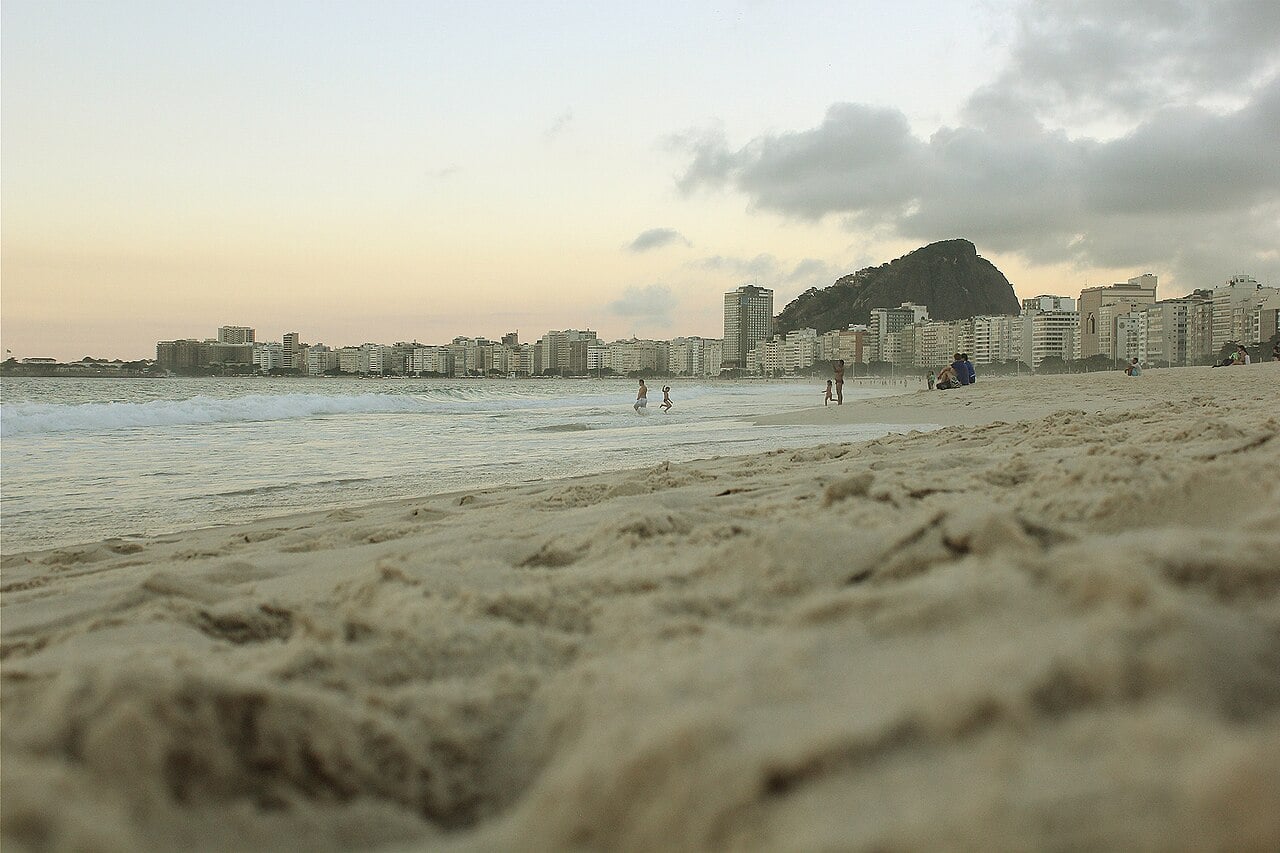
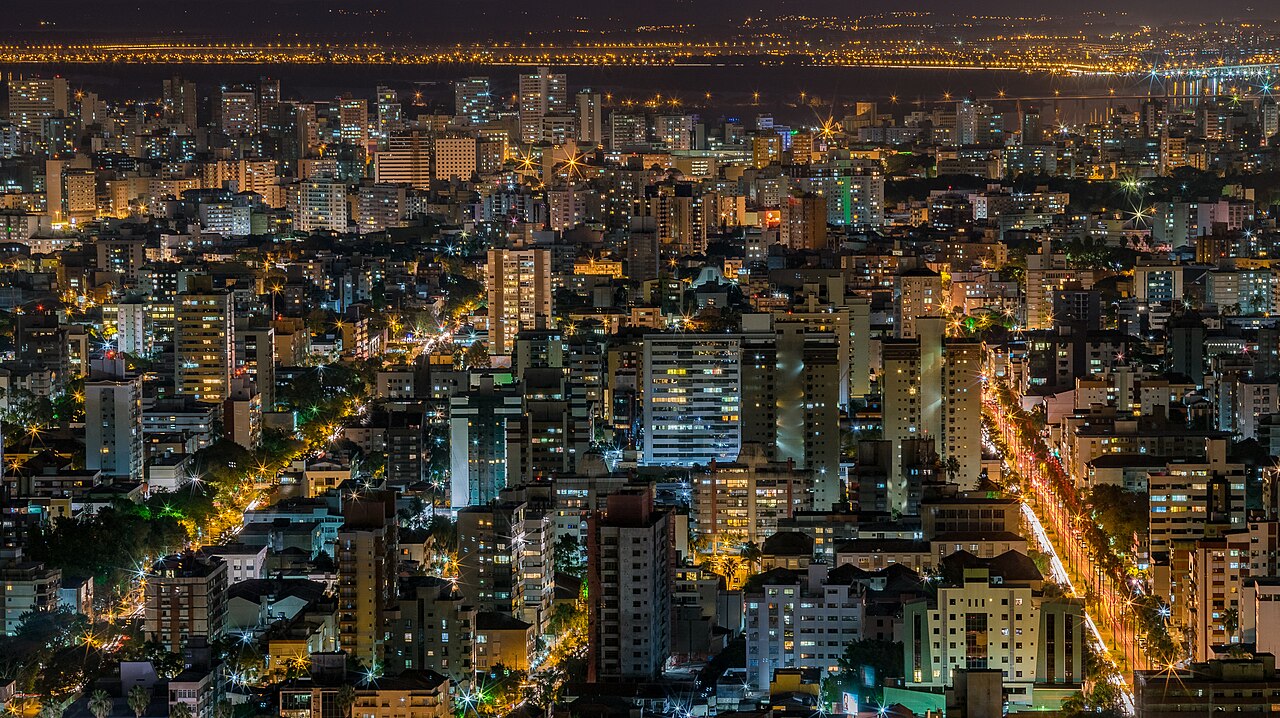
Rio de Janeiro and Sao Paulo remain the largest draws, but Florianopolis has emerged as a hub for the remote-work crowd. The city combines beach access with a growing infrastructure of coworking spaces. Coworksurf, Socialtel and Vila Working are among the operators catering specifically to nomads, according to a July 2026 guide by GetBrazilVisa.
The cost of living varies sharply by city. Rio and Sao Paulo offer cosmopolitan amenities at prices that are still below Miami or Lisbon, while Florianopolis and smaller northeastern cities such as Natal or Recife can be significantly cheaper. The visa itself does not restrict where the holder lives, and domestic travel is unrestricted.
The visa does not automatically lead to permanent residency. Oliveira Lawyers emphasized in August 2026 that no number of renewals converts into permanent status. Nomads who want to stay longer must switch to another category, such as marriage, retirement income, investment or local employment with a proper work permit.
Frequently Asked Questions
What income do I need for Brazil’s digital-nomad visa?
You must show at least US$1,500 per month in foreign income or at least US$18,000 in liquid savings. The income must come from employers or clients outside Brazil.
How long does processing take in 2026?
Most consulates issue the visa in 2–6 weeks once documents are complete. The Federal Police appointment inside Brazil for the physical residence card takes another 4–8 weeks.
Can the visa be renewed beyond two years?
The regulation allows one renewal for a second year. Some applicants have secured a third year in practice as of mid-2026, but this is discretionary and not guaranteed.