By The Rio Times | Created at 2026-10-04 15:01:59 | Updated at 2026-10-04 16:18:27
2 hours ago
By The Rio Times | Created at 2026-10-04 15:01:59 | Updated at 2026-10-04 16:18:27
2 hours ago
BRAZIL · POLITICS
Key Facts
- —The country Brazil is Latin America’s most populous democracy, with a presidential system that currently allows one consecutive re-election.
- —What happened Senator and presidential candidate Flávio Bolsonaro said on 3 October 2026 he would not seek re-election if elected president.
- —Who is who Flávio Bolsonaro is a senator for Rio de Janeiro and the son of former president Jair Bolsonaro; he is running for the presidency in 2026.
- —Why now The pledge came one day before Brazil’s first-round presidential vote, scheduled for 4 October 2026.
- —What it means for you A one-term limit would reshape Brazil’s political cycle, but it would require a constitutional amendment passed by Congress, not just a campaign promise.
- —Still open Whether Bolsonaro wins the presidency and whether Congress would approve his proposed amendment remain unresolved.
Brazilian senator and presidential candidate Flávio Bolsonaro said on Saturday, 3 October 2026, that he would not seek re-election if elected president. The pledge, made during a livestream one day before the first-round vote, framed a single term as a safeguard against leaders prioritising personal interests over the country.
Estado de Minas reported that Bolsonaro, of the Liberal Party (PL), told viewers: “I only want one term; I only need one.” He said he had presented a proposed constitutional amendment, known in Brazil as a PEC, to end presidential re-election, and described himself as the only candidate to have made that commitment.
A Promise, Not Yet a Legal Change
Under Brazil’s current constitutional system, presidents may seek one consecutive additional term. Ending that possibility would require approval of a constitutional amendment by Congress, a process that demands significant legislative support.
Bolsonaro’s personal pledge would not itself amend the Constitution. The distinction matters for investors and political observers: a campaign promise carries no legal force, while a PEC would need to clear both chambers of Congress to become law.
The statement repeated positions Bolsonaro delivered earlier in the campaign. In a 15 September video, he made a similar pledge on re-election, arguing that re-election had encouraged presidents to put personal interests ahead of Brazil.
Follow this story
Get an email when there’s news on Luiz Inácio Lula da Silva (Brazil)
Free. One email a day at most, and only when there is news. This also signs you up to our weekday newsletter, The LatAm Brief. Nothing arrives until you click the confirmation link, and you can stop either with one click. Privacy policy.
Campaign Context and Political Dispute
Bolsonaro presented the one-term limit as a contrast with President Luiz Inácio Lula da Silva of the Workers’ Party (PT), whom he criticised for seeking another term. The dispute is political: Bolsonaro framed re-election as a source of self-interest, while his opponents have their own positions on presidential term limits.
Local reporting also noted that Bolsonaro had previously mentioned the possibility of remaining in power for eight years before returning to the one-term pledge. That shift underscores how campaign rhetoric can evolve as election day approaches.
During the same livestream, Bolsonaro claimed he expected to win without a second round and said he was already planning meetings about a potential government after the election. Those were campaign assertions, not election results.
What a One-Term Limit Would Mean
A constitutional ban on re-election would alter the incentives for any Brazilian president. Without the possibility of a second term, a leader would have less reason to shape policy around electoral cycles, but also less accountability to voters through re-election.
For foreign investors, the pledge touches on political stability and policy continuity. A single term could accelerate decision-making or, conversely, shorten the horizon for long-term reforms. The actual impact would depend on whether Congress approved the amendment and how a Bolsonaro government governed.
The proposal also carries symbolic weight in a region where term limits have been contested in several countries. Brazil’s current system of one consecutive re-election has been in place since 1997, following a constitutional amendment approved during the Fernando Henrique Cardoso administration.
What Comes Next
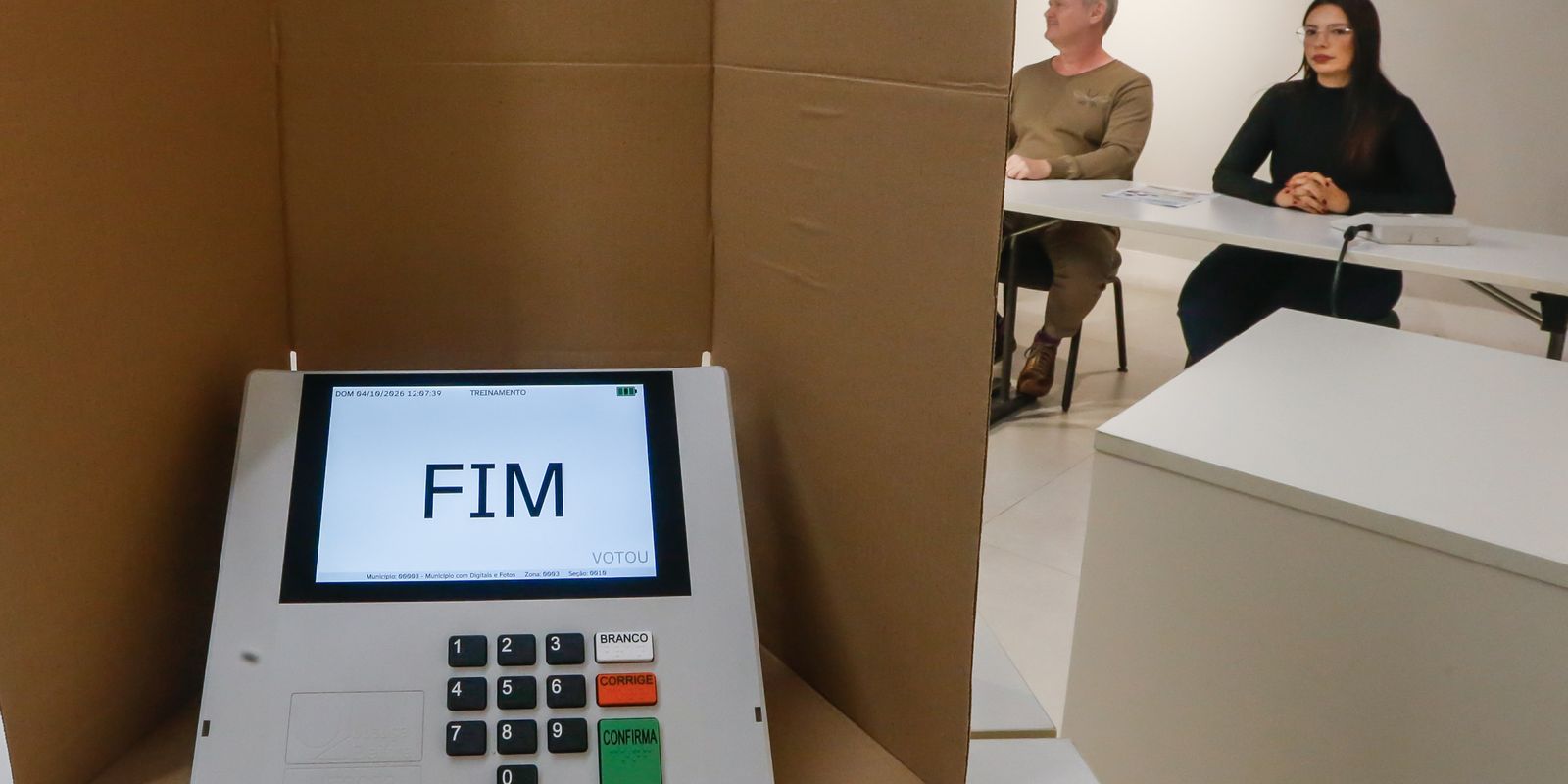
Brazil’s first-round presidential vote takes place on 4 October 2026. If no candidate wins a majority, a second round follows under the electoral rules.
If elected, Bolsonaro would need Congress to pass his PEC for the re-election ban to become law. Otherwise, the pledge would remain a personal political commitment, not a binding constraint on a future government.
The outcome of the election, and the composition of the next Congress, will determine whether the one-term idea moves from campaign rhetoric to constitutional reality. For now, the pledge stands as a defining feature of Bolsonaro’s closing argument to voters.
What did Flávio Bolsonaro say about re-election?
He said on 3 October 2026 that he would not seek re-election if elected president, stating: “I only want one term; I only need one.”
Would his pledge change Brazil’s Constitution?
No. Ending presidential re-election would require a proposed constitutional amendment approved by Congress; a personal campaign promise would not itself amend the Constitution.
When is Brazil’s first-round presidential vote?
The first-round vote takes place on 4 October 2026, one day after Bolsonaro made the pledge.
Has Flávio Bolsonaro made this promise before?
Yes. In a 15 September video he made a similar re-election pledge, though local reporting noted he had previously mentioned the possibility of eight years in power.
Sources: em.com.br, correiobraziliense.com.br, poder360.com.br, francesnews.com.br, opoder.com.br. Retrieved 4 October 2026.
Editorial responsibility: Matthias Camenzind, Editor-in-Chief · Editorial standards · Report an error
Frequently Asked Questions
The Rio Times · Power Map
See who really holds power in Latin America
Click to open the Power Map →