By The Rio Times | Created at 2026-06-24 10:46:46 | Updated at 2026-06-24 12:02:12
1 hour ago
By The Rio Times | Created at 2026-06-24 10:46:46 | Updated at 2026-06-24 12:02:12
1 hour ago
Energy
Key Facts
—The project. Morro Pintado is a planned green hydrogen and ammonia plant in Areia Branca, in the state of Rio Grande do Norte.
—The money. The consortium puts the investment at about two billion euros, or roughly $2.2bn.
—The partners. Local firm Brazil Green Energy is joined by German names including Siemens, ThyssenKrupp Uhde and Andritz.
—The scale. A first phase of 500 megawatts would make about 80,000 tonnes of green hydrogen a year.
—The market. The plan is to convert the hydrogen to ammonia and ship it from a dedicated port to Germany.
—The status. The state has granted a first environmental licence; the consortium is now raising the money to build.
A clutch of German industrial names has lined up behind a Brazil green hydrogen project on the country’s windy northeast coast, a two-billion-euro bet that a remote salt-mining town can become a supplier of clean fuel to Europe.
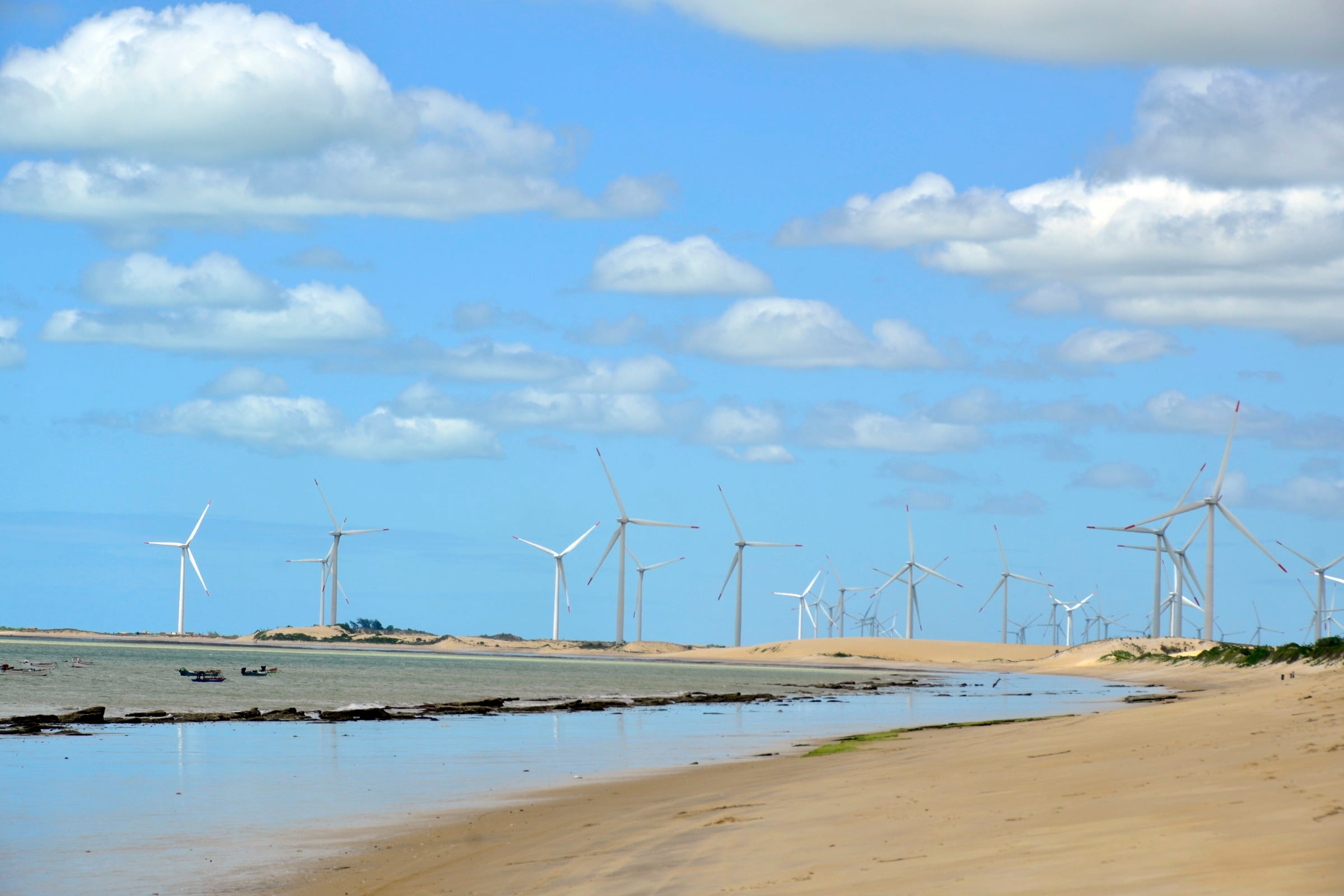
The plant would rise in Areia Branca, a coastal town in the state of Rio Grande do Norte best known for producing most of Brazil’s sea salt. The project is named Morro Pintado, and its backers want it to open a second chapter for the local economy.
The salt trade has anchored the town for half a century, employing thousands and moving hundreds of millions of reais a year. The hydrogen plan offers a chance to graft a high-tech export industry onto that base, on a far larger scale.
The lead developer is a local company, Brazil Green Energy, but the names that give the plan weight are German. The consortium includes Siemens, the engineering firm ThyssenKrupp Uhde and the equipment maker Andritz, with the railway group Deutsche Bahn among those tracking the project.
For a reader far away, the appeal is simple. The northeast of Brazil has some of the best wind and sun in the world, and that cheap, clean power is the single biggest ingredient in making hydrogen without emissions.
Why this Brazil green hydrogen plant matters
Green hydrogen is made by using renewable electricity to split water into hydrogen and oxygen, a process that gives off almost no carbon. The catch has always been cost, which is why so few of the projects announced worldwide ever get built.
Morro Pintado cleared a real hurdle when the state environment agency, known as Idema, granted it a preliminary licence, the first such permit for a commercial hydrogen plant in the state. Officials showed off the document at Germany’s giant Hannover industrial fair to court investors.
The first phase is designed for 500 megawatts of capacity, enough to make around 80,000 tonnes of green hydrogen a year. The plant would also turn out green ammonia and urea, the building blocks of low-carbon fertiliser.
How the Brazil green hydrogen would reach Europe
The plan leans on a clever workaround. Hydrogen is hard to ship, so the project would convert it into ammonia, which travels far more easily, and load it onto vessels at a dedicated export terminal on site.
The cargo is bound for Germany, where the ammonia can be turned back into hydrogen or burned in industry directly. The route ties a poor Brazilian state to Europe’s hunt for clean fuel as it tries to wean heavy industry off Russian gas.
There is a homegrown logic too. The northeast already makes more wind and solar power than its grid can carry, so on windy days some of that electricity is simply switched off and wasted; turning it into hydrogen instead is a way to capture value that would otherwise vanish.
What it means for investors
A licence is not a finished plant. The consortium still has to raise the money and reach a final decision to build, and many hydrogen schemes elsewhere have stalled at exactly this stage, so the project should be read as a serious intention rather than a sure thing.
Even so, it marks Rio Grande do Norte as a second Brazilian hydrogen pole behind the bigger hub taking shape at Pecém in neighbouring Ceará. For an outside investor, the run of German blue-chip names is the signal worth watching, a measure of how seriously Europe is shopping for future fuel.
The competition is fierce. More than 1,000 green hydrogen projects have been announced worldwide, and rivals from Chile to Egypt to Namibia are chasing the same European buyers, so a signed licence and named partners are what separate a real contender from a press release.
Frequently Asked Questions
What is the Morro Pintado project?
It is a planned green hydrogen and ammonia plant in Areia Branca, Rio Grande do Norte, led by Brazil Green Energy with German industrial partners. The investment is put at about two billion euros, or roughly $2.2bn.
Who is backing it?
The lead developer is the local firm Brazil Green Energy, joined by German names including Siemens, ThyssenKrupp Uhde and Andritz. The plan is to export green ammonia to Germany.
Is the plant being built yet?
Not yet. It has won a first environmental licence from the state, and the consortium is now working to raise the money and take a final decision to build, so no construction or start-up date has been set.
The Rio Times · Power Map
See who really holds power in Latin America
Click to open the Power Map →