 By GB News (World News) | Created at 2026-09-30 21:55:52 | Updated at 2026-09-30 22:35:30
1 hour ago
By GB News (World News) | Created at 2026-09-30 21:55:52 | Updated at 2026-09-30 22:35:30
1 hour ago
Britain's nuclear ambitions risk being left in the shade by international competitors unless red tape is slashed, a think-tank warns.
A study found the UAE now has 90 per cent of Britain’s nuclear capacity, despite starting its fleet of power plants 60 years later. Britain’s newest nuclear station, Hinkley Point C, is not due to open until 2030 – five years behind schedule.
It will have taken almost 12 years to build. A second facility – Sizewell C - is expected to be finished in 2039, with an estimated nine to 13 years needed for construction.
Onward has called for more reactors. It says Britain’s nuclear goals have become “weighed down by atrophied supply chains, bureaucracy and a lack of accountability”.
But energy bosses say the speed will increase and the costs will come down as more plants are built. The Government has already pledged to act on the Fingleton review into nuclear power, which recommended streamlining regulation.
Onward’s report found the UAE had built four reactors at Barakah in just eight years. China’s last five completed reactors took an average of under six years, while France, in the 1970s and 1980s, built 34 reactors of a similar design in an average of five and a half years.
Nuclear capacity has become ever more important because it provides firm, clean power, compared to the intermittent energy produced by renewables. Because nuclear does not emit carbon, it is viewed as crucial in the race to Net Zero.
Britain currently has five operational nuclear power stations, generating just over 12 per cent of the nation’s electricity. However, 80 per cent of this capacity is due to close by March 2030.
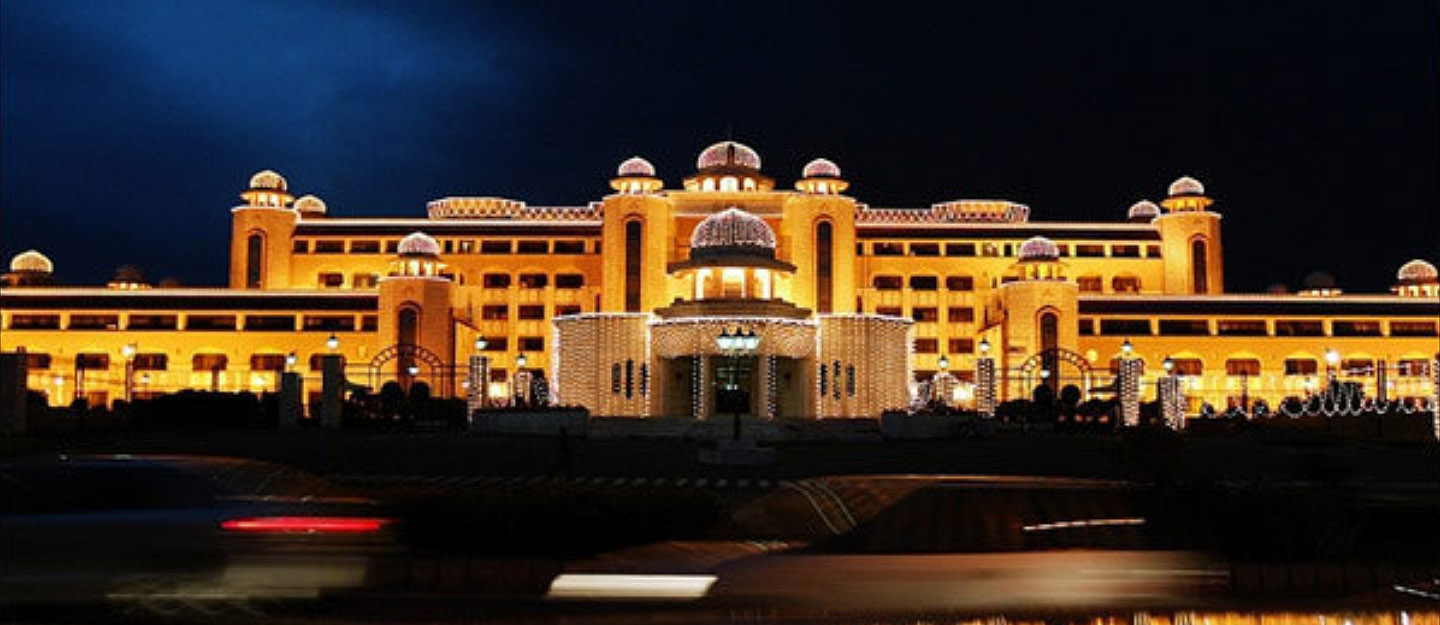
Hinkley Point C is not due to open until 2030

GB NEWS
Complaints have been made about over-regulation in the nuclear industry. At Hinkley Point, operator EDF says it has spent £700million protecting fish from the reactors.
Any costs of delays could result in household bills rising, Onward says. Andrew Bowie, shadow secretary of state for energy, said: “A nuclear revolution is underway across the world and Britain needs to make sure it is part of it.
“New nuclear brings with it fantastic opportunities; new jobs, new investment and clean, secure, abundant energy. Britain once led the way on civil nuclear and we can do so once again, that’s why making it easier and cheaper to build new nuclear is key to unlocking the potential it brings.”
Sir Keir Starmer, as Prime Minister, commissioned a review into the sector, carried out by John Fingleton. It found the regulatory system was too complex and too focused on process, making new projects slower to build.
The report, which was accepted in principle, called for “radical” simplification. Onward said that Britain has a tradition of building nuclear power successfully. Sizewell B in Suffolk, which supplied three per cent of the country’s electricity last year, opened in 1995.
The plant was built on time and on budget, with much of this success attributed to chief engineer Brian George. The project director set terms for a £10million bonus, which would be reduced by £100,000 for each of the 100 key dates missed.
If installation were delayed by eight weeks, the team would receive nothing. Onward calls for a similar approach for modern nuclear builds.
It suggests one named person is made responsible for delivery and a bonus pool for the leadership scheme be paid only on completion. It also recommends a fleet of 15 small modular reactors.
These are smaller in size and are designed to be built on site with factory-produced components. Ed Hezlet, head of energy at Onward, said: “Britain is at risk of falling behind international competitors on nuclear and it is billpayers and taxpayers that are increasingly exposed to the cost of delays and inefficiencies.
“We have become slower at building reactors, weighed down by atrophied supply chains, bureaucracy and a lack of accountability in how projects are delivered. If the Government really wants to reduce bills and build a reliable power system they need to put one person clearly in charge of delivering reactors, and pay that team only when they come in on budget.
“The last power station Britain completed was built in seven years, by a project director with exactly that kind of gumption.”
In an interview earlier this week, EDF chief executive Simone Rossi said he expected costs to fall as nuclear expertise grew. He said nothing on the scale of Hinkley had been attempted for nearly 40 years and knowledge learnt from the project could be used on Sizewell C, which EDF is also involved with.
“We are learning to build these large plants in modules, the large modular reactors," he told the BBC’s Big Boss Interview. “Also, Sizewell-C has a stable design.
“We are already producing all the materials, all the pipes, all the pumps, all the valves that go into the power station. We know exactly where they go.
“And as the station gets built, it will fit out as the construction progresses. So this means that we are very, very confident that the next project, by repeating, build and repeat, will tame the cost to a more reasonable level.”
A spokesman for the Department for Energy Security and Net Zero said: “We are reversing a legacy of no new nuclear power being delivered to unlock a golden age of nuclear, securing thousands of good, skilled jobs and billions in investment.
“Alongside Sizewell C and our first small modular reactors at Gwyndod, we are making the UK one of the best places in the world to develop nuclear projects.”