 By The Epoch Times | Created at 2026-10-15 23:56:20 | Updated at 2026-10-16 00:34:42
39 minutes ago
By The Epoch Times | Created at 2026-10-15 23:56:20 | Updated at 2026-10-16 00:34:42
39 minutes ago
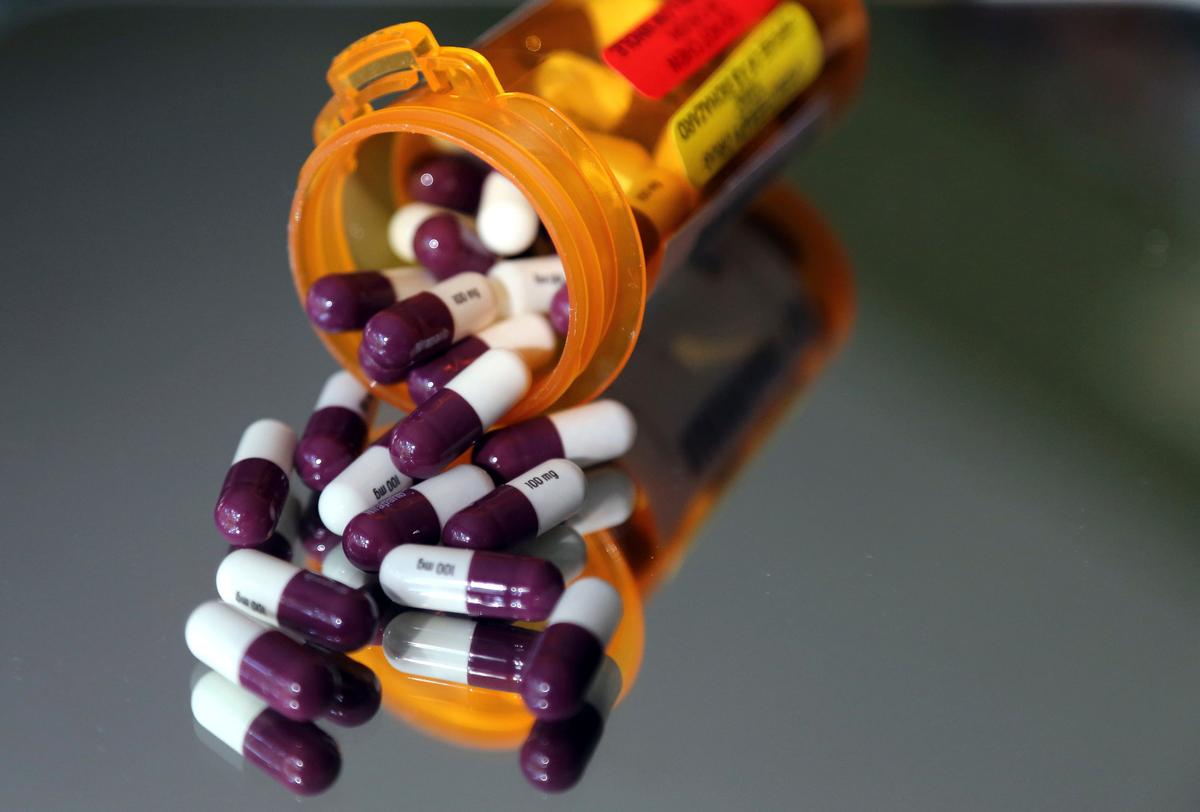
Pharmaceuticals in North Andover, Mass., in an undated photo. Elise Amendola/AP Photo
U.S. Customs and Border Protection (CBP) announced on Oct. 14 a delay of the new customs requirements for small international shipments by 90 days, until Jan. 20, 2027.
The federal agency proposed rules in June that would suspend a “de minimis” exemption for tariffs on imports of less than $800 through the international postal network.
The de minimis exemption allowed low-value imported goods to enter the country without formal customs entry and duties starting in 2015 to avoid the expense and inconvenience of processing.
The exemption has allowed individuals to easily make international purchases. De minimis shipments increased almost tenfold over the past decade and reached more than $1.36 billion in 2024, up from $139 million in 2015, according to CBP data.
The “crushing volume” of small trades imposed a costly burden on the federal agency in identifying violative merchandise and processing the shipments.
The rescission of exemption will “close gaps that have been exploited by criminals to smuggle contraband sent through international mail,” said CBP Executive Assistant Commissioner Susan S. Thomas.
However, the customs requirement on small parcels could make it difficult for American patients to buy cheap drugs overseas.
A 2020 study found more than 2.3 million U.S. individuals purchased medication outside the country to save money from 2015 to 2017.
In an October letter to CBP Commissioner Rodney S. Scott, Patients For Affordable Drugs reported that more than half of 103 surveyed patients in its community received prescription medications from abroad. Nearly 80 percent of those patients said drug prices in the United States were higher, and 94 percent were concerned about the new customs rule affecting access to their current medications.
“For patients concerned about losing access to lower-cost prescriptions from abroad, this delay is a welcome reprieve, but not a permanent solution,” Merith Basey, CEO of Patients For Affordable Drugs, told The Epoch Times.
“Until patients in the U.S. can get access to the prescription drugs they need at prices they can afford, disrupting existing personal-importation practices risks an important safety valve,” Basey said.
While the federal agency extended the implementation date, it still encourages filers to begin using the process for international mail shipments to ensure importers, brokers, and logistics providers get ready by January.
The new informal entry process for mail requires a licensed broker who will act as the importer of record; an entry bond to guarantee the payment of the duties, taxes, and fees owed; and an electronic submission of the entry.
For safety concerns, products that violate U.S. Food and Drug Administration (FDA) laws are generally not permitted. But current FDA personal importation policy may allow importing a 90-day supply of certain medications for personal use.
“More permissive” situations include treatments for non-serious conditions raising no “significant health risk” and products for serious conditions not posing an “unreasonable risk.”
Lawrence Wilson contributed to this report.