By The Rio Times | Created at 2026-08-19 06:54:59 | Updated at 2026-08-19 07:15:14
31 minutes ago
By The Rio Times | Created at 2026-08-19 06:54:59 | Updated at 2026-08-19 07:15:14
31 minutes ago
Chile · DISASTER
Key Facts
- Declared a constitutional state of catastrophe for Tocopilla province, on 18 August.
- Dead one, a driver killed by falling rocks on a road in Antofagasta.
- Missing three, reported in the Tocopilla emergency.
- Sheltered 521 people, with 64 recorded as affected across the region.
- Red alert Antofagasta, Mejillones, Tocopilla and Taltal.
- Rainfall about 30 millimetres in hours, where the yearly average is around five.
About 30 millimetres of rain fell in hours on a desert that averages roughly five in a year. One driver is dead and three people are missing.
President José Antonio Kast declared a state of catastrophe for Tocopilla province on Tuesday. Heavy rain had triggered mudflows across northern Chile.
One-stop reference
Company Intelligence
Every listed company in Latin America — financials, ownership and structure for 1,450+ companies across 26 exchanges, in one place.
What happened in Tocopilla
Heavy rain on Tuesday sent mudflows down ravines in Tocopilla, in the Antofagasta region. Roads were damaged and gullies that are dry almost every day of the year filled and ran.
One person died: a driver killed when rocks came down onto a road in Antofagasta. Three people are missing.
Senapred, the national emergency service, recorded 521 people in shelters and 64 as affected across the region.
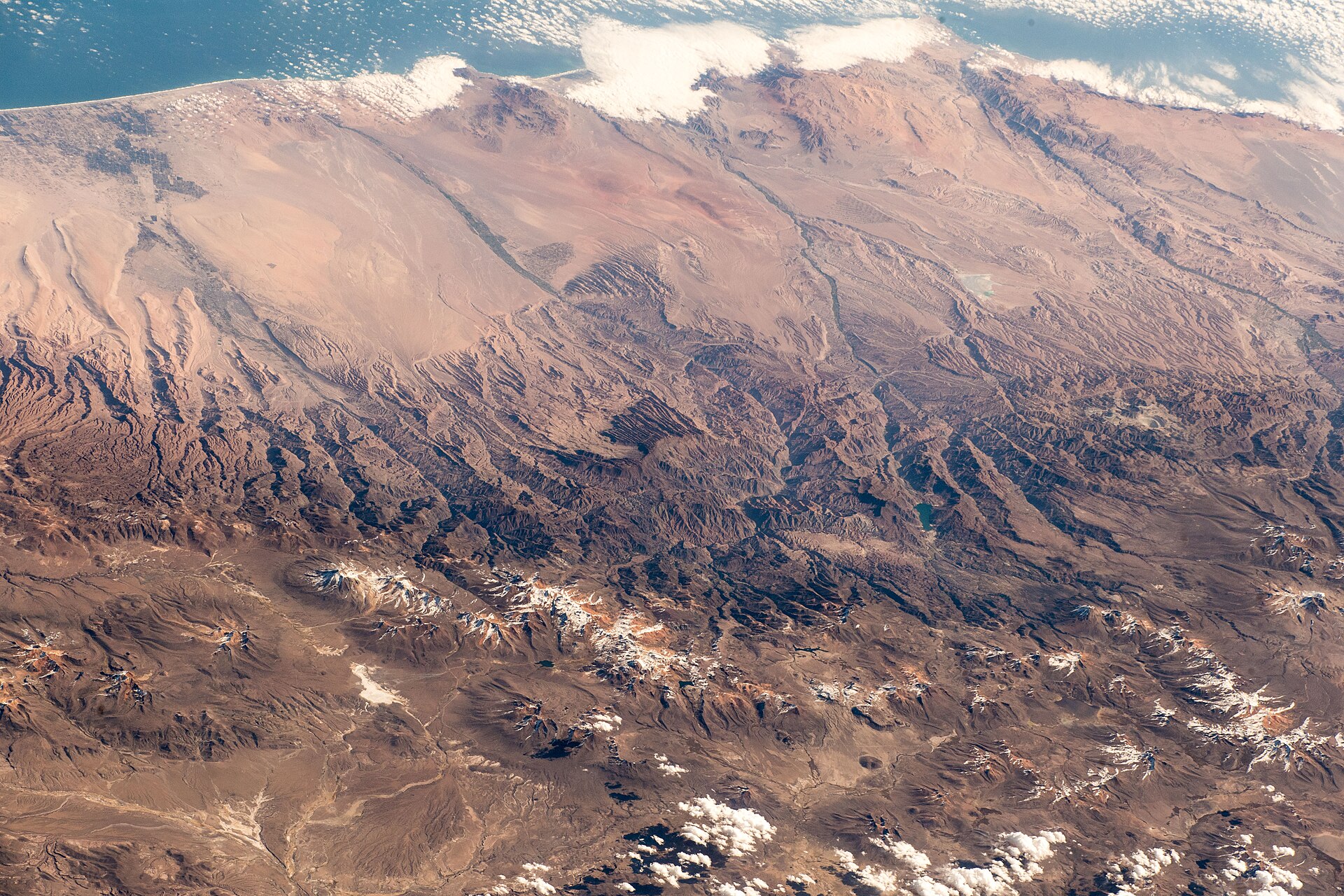
Tocopilla is a port town of some 25,000 people wedged between the Pacific and a wall of coastal hills. The hills are where the water comes from.
Why rain is the danger here
About 30 millimetres fell in a few hours, on ground that averages roughly five millimetres in a year. The Atacama is the driest desert on earth.
That is the whole problem. Nothing absorbs water, nothing is built to drain it, and the ravines above the towns act as chutes.
The storm came from a mass of cold air detached from the main wind current. It set off collapses, flooding and the sudden activation of the quebradas.
Rain in the Atacama is not unheard of, but it arrives in years rather than weeks. When it does, the damage is out of proportion to the millimetres.
What a state of catastrophe means
Kast’s declaration covers the province of Tocopilla. In his words, it lets the government call on every human and material resource available to face the emergency.
In practice it allows the army to be deployed alongside emergency teams, for rescue and then for clearing and repair.
It is a constitutional instrument, used for earthquakes, fires and floods rather than for ordinary storms.
Kast said he had decided to decree it because of the severe effects of the storm, and to make every resource available.
The red alert, and where it runs
Senapred put four communes of the Antofagasta region under red alert on Tuesday: Antofagasta, Mejillones, Tocopilla and Taltal.
The trigger was the weather itself and the risk of mass movements, the technical term for landslides and mudflows.
What this means for the north
Antofagasta is Chile’s mining region, and its road network is the artery that copper moves on. Road damage is the economic story once the rescue ends.
Shelter numbers elsewhere in the country tell you the storm was not local. Arica and Parinacota and Coquimbo also had people in shelters.
Mining companies have not reported production losses so far. The immediate disruption is to roads rather than to pits.
What has not been published
No official evacuation total for Tocopilla itself has been released, only regional shelter figures.
Nor has the weather service published a confirmed rainfall total for the town. The 30-millimetre figure comes from news reporting rather than an official gauge.
Figures from an emergency in progress move quickly. Treat every number here as of Tuesday.
Frequently Asked Questions
What did President Kast declare?
A constitutional state of catastrophe for the province of Tocopilla, on 18 August 2026. It allows the government to draw on all available human and material resources, including the army.
How many people were killed?
One person died, a driver killed when rocks fell onto a road in Antofagasta. Three people were reported missing in the Tocopilla emergency.
How much rain fell?
About 30 millimetres in a few hours, in an area that averages roughly five millimetres in a whole year. The Atacama is the driest desert in the world.
Which areas are under red alert?
Four communes of the Antofagasta region: Antofagasta, Mejillones, Tocopilla and Taltal. Senapred issued the alert on 18 August.
Sources
The Rio Times · Power Map
See who really holds power in Latin America
Click to open the Power Map →