By The Rio Times | Created at 2026-08-10 11:36:49 | Updated at 2026-08-10 13:21:54
2 hours ago
By The Rio Times | Created at 2026-08-10 11:36:49 | Updated at 2026-08-10 13:21:54
2 hours ago
Colombia · Energy
Key Facts
- Early 2027 — Excelerate’s floating gas terminal, the Express, starts service in Colombia.
- Seven-year charter — Signed with a subsidiary of Frontera Energy.
- Storage — The Express vessel holds about 150,900 cubic metres of gas.
- Separate plan — Ecopetrol’s own Pacific coast terminal targets first gas in late 2026.
- US$172 million — Estimated cost of Ecopetrol’s Pacific project.
- The problem — Colombia’s older gas fields are running low, so it now needs imports.
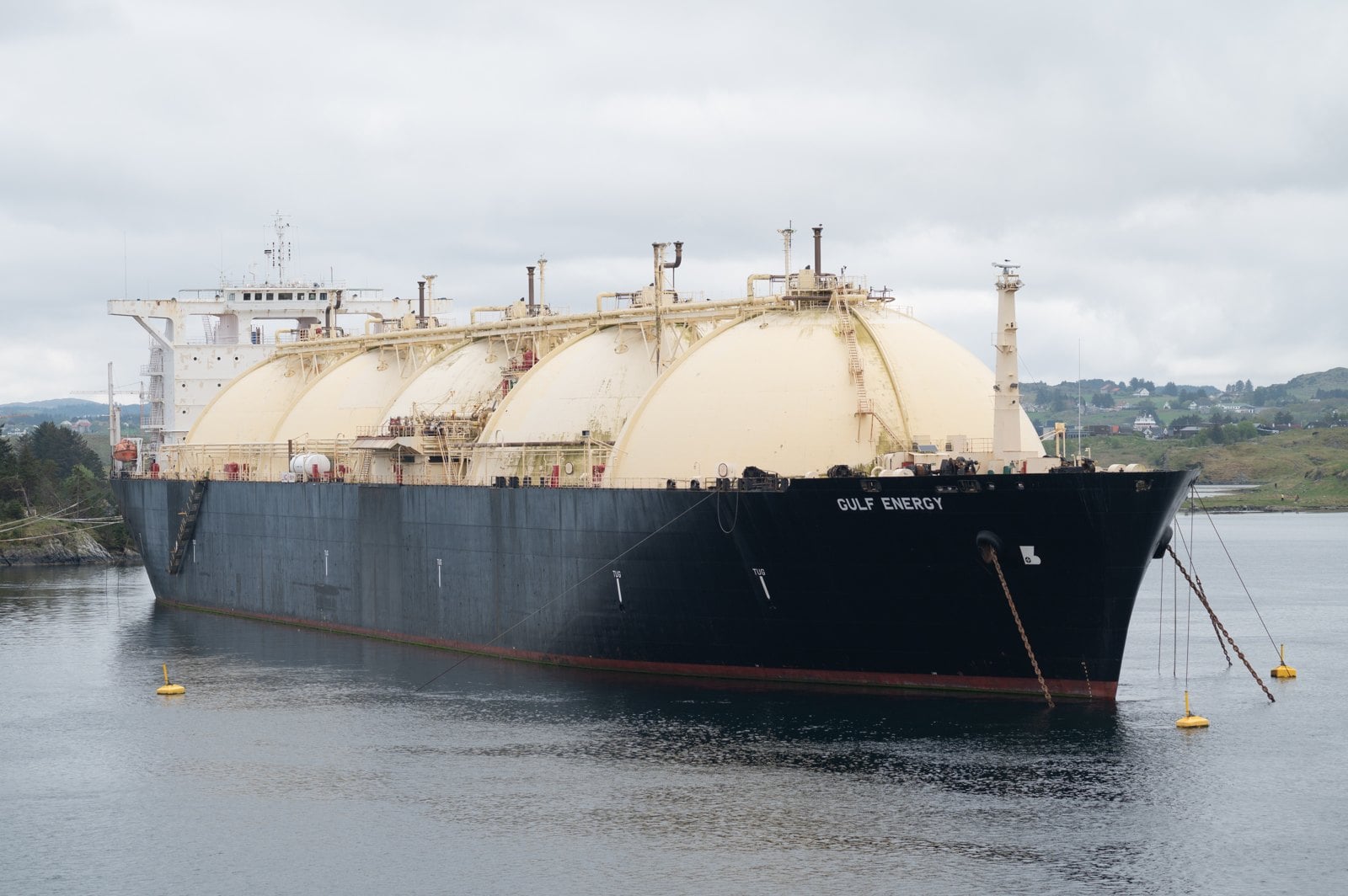
A seven-year charter with Excelerate Energy brings the floating gas terminal Express to Colombia from early 2027, as the country scrambles to replace falling domestic output.
The Colombia gas import terminal is about to double its capacity, and that changes how the country powers itself. Excelerate Energy has signed a seven-year charter to bring its floating unit, the floating gas terminal Express, to Colombia from early 2027. The deal is with a subsidiary of Frontera Energy, and it is built for one purpose: covering a widening shortfall in domestic natural gas. If you live in Colombia, or you have money in Latin American energy, this means imports are no longer a stopgap. They are becoming a permanent feature of the market.
One-stop reference
Company Intelligence
Every listed company in Latin America — financials, ownership and structure for 1,450+ companies across 26 exchanges, in one place.
Why Colombia Now Needs Imports: Colombia gas import terminal
For decades, Colombia produced all the gas it needed. That era is ending fast.
Output from mature fields, especially in the Llanos and offshore Caribbean, has been declining year after year. The national pipeline system can move gas from production zones to cities like Bogotá and Medellín, but with less supply at the wellhead, the system is tightening.
Utilities and industrial buyers face the real risk of shortages, especially during dry seasons when hydro power flags and gas-fired plants must run harder. The response has been swift.
Colombia already operates one regasification terminal at Cartagena, and it recently returned to full service after maintenance. But one terminal is not enough.
The new Colombia gas import terminal project adds a second floating unit, and Ecopetrol is pushing a third on the Pacific coast. All of this is happening because the geology is no longer cooperating.
Reserves have fallen, and major exploration finds have not kept pace. Imports, once unthinkable, are now a strategic necessity.
The Excelerate and Frontera Deal
Excelerate Energy is a specialist in floating LNG regasification. The floating gas terminal Express is a converted vessel with a storage capacity of 150,900 cubic metres.
It will dock at a Colombian port and convert imported LNG back into gas for the grid. The vessel is currently under a charter elsewhere, and it will finish that job and go through a planned dry dock later in 2026.
After that, it sails to Colombia and begins commercial service in the first quarter of 2027. The charter runs for seven years.
The counterparty is a subsidiary of Frontera Energy, a Canadian company with extensive operations in Colombia. Frontera will use the terminal to bring in gas, either for its own operations or to sell into the market.
Excelerate’s Q2 2026 materials confirm the early 2027 start. The company is positioning the Colombia gas import terminal as a core part of its Latin American growth strategy.
Ecopetrol’s Separate Pacifico Push
Excelerate’s project is not the only game in town. Ecopetrol, the state-controlled oil company, is developing its own floating terminal at Buenaventura on the Pacific coast.
This is the Pacifico project, and it is moving on a faster track. Ecopetrol launched a public tender for LNG supply with deliveries expected in late 2026.
One source says the first cargo arrives in October or November, another says the second semester of 2026. Either way, this terminal comes first.
The Buenaventura infrastructure has an initial capacity of 60 GBTUDs, or 60 million cubic feet per day. It is scalable to 180 million cubic feet per day.
The total investment is estimated between US$150 million and US$172 million. Financing comes from the Financiera de Desarrollo Nacional and BTG Pactual, each contributing US$65 million, and the terminal is being built by PIO SAS under contract with Ecopetrol.
Why Colombia Needs Imports Now
Colombia used to produce all the natural gas it needed. But its older fields are running low, and big new discoveries offshore are still years from delivery.
A floating gas terminal is a shortcut. It is a special ship that receives super-cooled gas, warms it back into a usable fuel and feeds it into the pipeline network.
That lets a country add supply in a couple of years instead of the decade a land-based plant can take. It also avoids a large upfront building cost.
For households and factories, the goal is simple: keep gas flowing and prices steady. A shortfall would push up power bills and hurt industry.
Ecopetrol, the state oil company, is working on a separate import plan on the Pacific coast. Together the projects aim to plug the gap from more than one direction.
The seven-year charter also signals this is not a quick patch. Colombia expects to rely on imported gas for years.
What This Means for You
If you are an expat living in Bogotá or Medellín, gas shortages affect your daily life. They push up electricity prices and can force rationing.
With more import terminals online, the risk of blackouts and price spikes drops. For investors, the signal is clear.
Colombia is committing to LNG imports for the long haul. Seven-year charters and state-backed tenders create stable revenue streams.
The companies involved — Excelerate, Frontera, Ecopetrol — are betting billions on this transition. But there are risks.
Imported LNG is more expensive than domestic gas, and that cost gets passed to consumers. Colombia still needs to solve its exploration problem, or it will rely on imports for decades.
For now, the terminal race is on. The Pacific coast terminal, if it hits its 2026 target, will be the first new piece of infrastructure, and the Excelerate unit follows in 2027, reshaping how Colombia powers its economy.
Frequently Asked Questions
When will the Excelerate Colombia gas import terminal start operating?
The floating gas terminal Express is expected to begin service in the first quarter of 2027. The vessel finishes its current charter and undergoes dry dock in 2026 before sailing to Colombia.
How much will the new terminal cost consumers in Colombia?
Specific tariff details are not yet public. Imported LNG is generally more expensive than domestic gas, so household and industrial bills are expected to rise as import volumes grow.
Is Ecopetrol’s Buenaventura terminal the same as the Excelerate project?
No. They are separate projects. Ecopetrol’s Pacifico terminal at Buenaventura targets late 2026, while Excelerate’s floating gas terminal Express arrives in early 2027. Both aim to cover the same shortfall.
Why is Colombia importing gas if it has its own fields?
Domestic production has declined as fields mature. New discoveries have not kept pace. Imports are now needed to bridge the gap, especially during dry seasons when gas-fired power plants run more.
Sources: gem.wiki, elespectador.com, lngindustry.com, ng.investing.com, energyintel.com