By The Rio Times | Created at 2026-08-10 11:36:50 | Updated at 2026-08-10 13:11:36
2 hours ago
By The Rio Times | Created at 2026-08-10 11:36:50 | Updated at 2026-08-10 13:11:36
2 hours ago
Mexico · Politics
Key Facts
- Decree signed — Sheinbaum signed the transparency decree on 4 August 2026.
- No new body — This is not a new anti-corruption agency; it is a decree plus a promised package.
- Four areas — It expands disclosure in contracts, Pemex and CFE subsidiaries, audits, and state adoption.
- Secrecy limits — Exemptions are restricted mainly to national security and public interest cases.
- Partial versions — Even when withholding is allowed, partial public versions are preferred over full secrecy.
- September bill — The full anti-corruption reform package goes to Congress in September 2026.
- 30 day rule — Extra public-interest data must load into the transparency platform within 30 business days.
A transparency decree signed on 4 August tightens disclosure rules across the federal government. A broader reform package is promised for September, but no new agency exists yet.
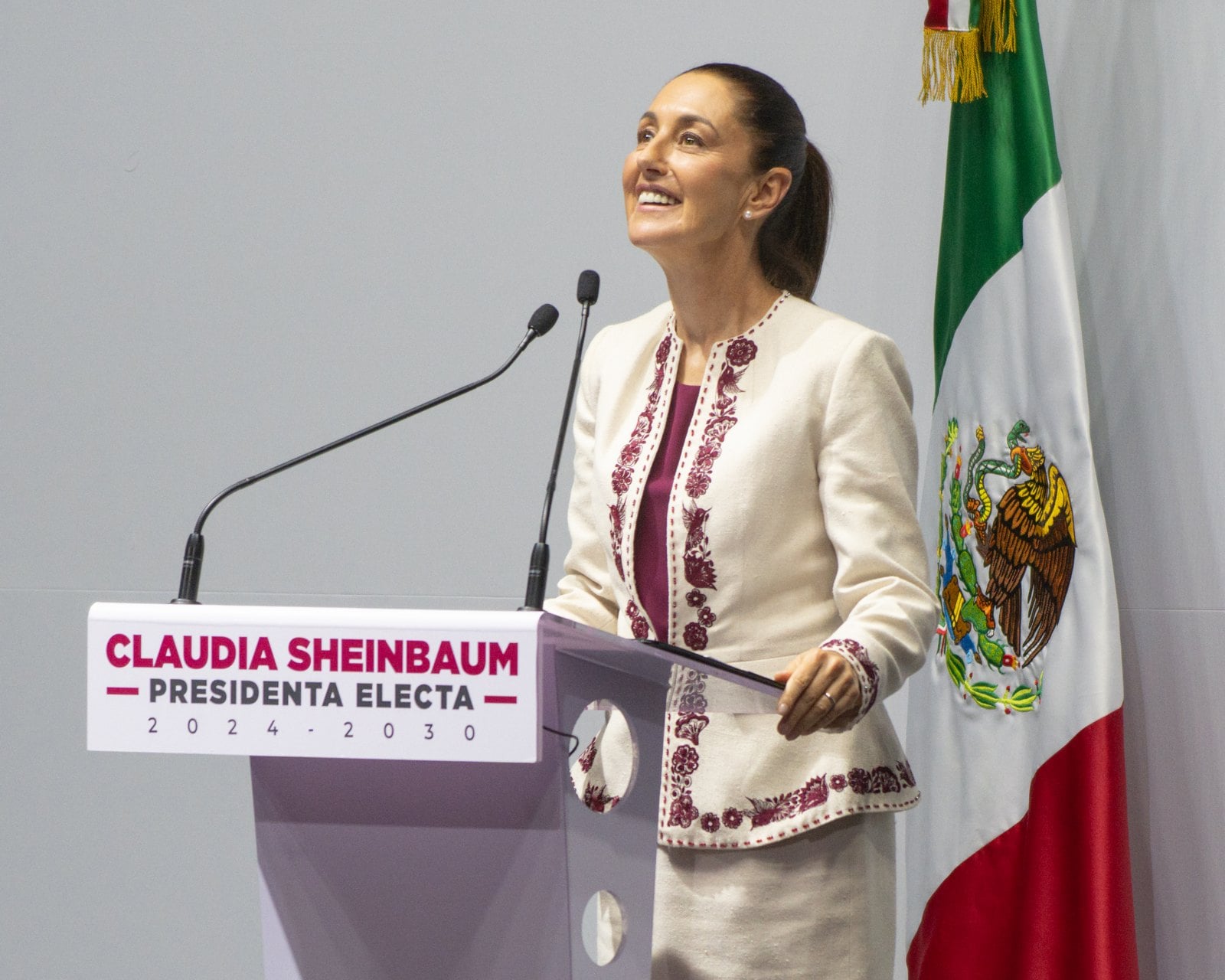
Mexican President Claudia Sheinbaum signed an anti-corruption decree on 4 August 2026, aiming to strip federal officials of their discretion over what they disclose. The Sheinbaum anti-corruption decree is the first step of a broader reform package she plans to send to Congress in September, meaning the fight against graft is far from finished.
One-stop reference
Company Intelligence
Every listed company in Latin America — financials, ownership and structure for 1,450+ companies across 26 exchanges, in one place.
What the Decree Actually Does: Sheinbaum anti-corruption decree
The decree is not a new anti-corruption agency. It strengthens transparency rules across federal government bodies, as reported by El País and Mexico News Daily.
Its core aim is to remove officials’ discretion over what information becomes public. Specific rules now dictate what must be published, ending the patchwork of selective disclosure.
Disclosure expands in four key areas: public contracts, Pemex and CFE subsidiaries, audits and fiscalisation, and an invitation for states, municipalities, and other public powers to adopt the same standard.
Secrecy exemptions are now limited mainly to national security and public interest cases. Even then, the preference is for partial public versions rather than full withholding.
This is a meaningful shift in how Mexico’s federal government handles information. But it does not replace the constitutional system or create a new watchdog.
One report notes the government wants to ’dismantle the current National Anti-Corruption System’ and rebuild coordination among investigative institutions. That is intent, not a completed legal change.
The decree will be incorporated into the General Transparency Law later, according to sources. That points to an upcoming legislative process, not a done deal.
Within 30 business days, additional public-interest data must be added to the transparency platform. That is a tight timeline for federal agencies to comply.
The September Package: Promises, Not Reality
The bigger reform package is expected to go to Congress in September 2026. Nothing has been submitted yet, and no text is publicly available.
Government officials describe it as a ’reengineering’ of the anti-corruption framework. That could mean merging institutions, but details remain unknown.
No approved 2026 law creating a new anti-corruption body is identified in any source. Anyone expecting a finished agency is jumping ahead.
The September bill will face a tough ride. Congress must debate constitutional changes, and opposition parties will demand transparency in the reform itself.
Sheinbaum has promised zero impunity and defended that policy publicly. Her July defence of anti-corruption efforts in Edomex shows this is a central priority.
But promises are not policy. Until the bill reaches Congress and passes, the current system remains intact, with all its flaws.
The decree is symbolic of intent, yet it has real, immediate effects on disclosure. That makes it a solid first step, not a final solution.
Why This Matters for You
If you live in Mexico or invest here, transparency in federal contracts means you can finally see where public money goes. That reduces risk of hidden costs or corrupt deals affecting your business.
For investors in Pemex or CFE, the new disclosure rules on subsidiaries will expose financial health and governance issues. This shifts how you assess risk in Mexican energy assets.
State and municipal adoption of these standards is voluntary for now. But if they follow, local procurement becomes more predictable for foreign firms looking to win contracts.
The September reform could reshape accountability bodies entirely. Watch for it — it may change how corruption cases are investigated and prosecuted across the country.
Why This Matters to Business
Corruption has long been near the top of the list of worries for companies working in Mexico. Bribery and red tape raise costs and scare off investment.
A decree is a rule the president can sign on her own. A full law needs Congress, so it is harder to pass but also harder to undo later.
That is why the promised September package matters more than the decree itself. Turning a pledge into law is the real test.
For foreign investors, clearer rules and more transparency are welcome. They make it easier to plan and to compete on a level field.
Mexico has cycled through anti-corruption promises before, with mixed results. Investors will watch whether this effort has teeth.
The signal Sheinbaum wants to send is that her government takes the issue seriously. Following through will matter more than the announcement.
Clear anti-graft rules can lower the everyday cost of doing business. Firms spend less time and money navigating opaque processes.
Timeline and What to Watch Next
On 4 August 2026, the decree was signed. Within 30 business days, the transparency platform must incorporate additional data, likely by mid-September.
In September, the government will submit the broader anti-corruption package to Congress. That is when the real fight begins.
The decree already tightens rules on contracts and audits. You can check the federal transparency portal now to see new data appearing.
Watch for congressional debates on the reform package. They will reveal whether the government intends to merge or abolish existing anti-corruption bodies.
No new agency or law exists yet. The only concrete change so far is the decree, with its expanded disclosure rules and limited secrecy exemptions.
Expect a lively autumn in Mexican politics. This reform is a cornerstone of Sheinbaum’s presidency, but its fate lies with Congress.
Frequently Asked Questions
Is this a new anti-corruption agency?
No. The 4 August decree strengthens transparency rules, but it does not create a new body. A broader reform package, which could include institutional changes, is only promised for September 2026.
What does the decree change immediately?
It removes officials’ discretion over disclosure, expands public information in four areas, and limits secrecy exemptions. Federal agencies must also add more public-interest data to the transparency platform within 30 business days.
When will the full reform arrive?
The government says it will send a broader anti-corruption package to Congress in September 2026. No bill text is public yet, so exact changes to the current system are unknown.
How does this affect foreign investors?
You gain more visibility into public contracts, audits, and Pemex or CFE subsidiaries. That reduces information asymmetry when assessing risk, though state and local adoption remains voluntary.
Sources: El País, mexiconewsdaily.com, jornada.com.mx, aljazeera.com, newsanarchist.com