By The Rio Times | Created at 2026-06-13 11:48:40 | Updated at 2026-06-13 18:03:11
6 hours ago
By The Rio Times | Created at 2026-06-13 11:48:40 | Updated at 2026-06-13 18:03:11
6 hours ago
Colombia · Energy
Key Facts
—The vote. Colombia’s Congress passed the country’s first comprehensive nuclear law.
—The unity. The bill passed unanimously through all four debates, a rarity in a polarized Congress.
—The regulator. It creates a National Nuclear Safety Agency as the sole civil watchdog.
—The medicine. A key aim is producing local radiopharmaceuticals to treat cancer patients.
—The energy bet. It lays the groundwork to study nuclear power as a future low-carbon source.
—The next step. The law now awaits the president’s signature to take effect.
Colombia has passed its first nuclear law, creating a safety regulator and opening the door to medical isotopes and, in time, low-carbon nuclear power.
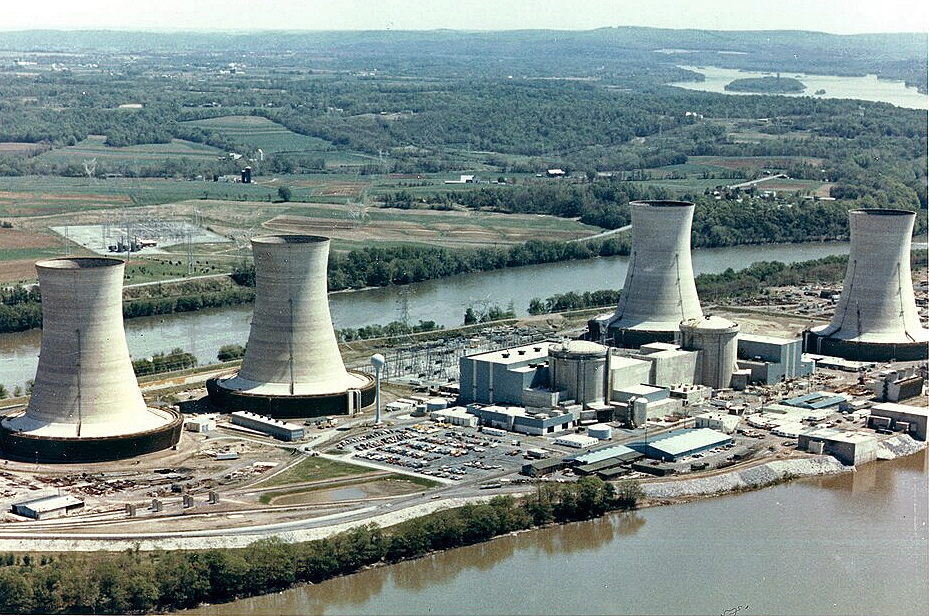
Colombia has just done something it has never done before. Its Congress has passed a comprehensive law to govern nuclear technology, filling a gap that had lingered for decades.
Nicknamed “Atoms for Life,” the bill cleared its final debate in the Senate this week. It now goes to the president to be signed into law.
What Colombia’s nuclear law does
At its heart, the law creates a new watchdog. A National Nuclear Safety Agency will become the country’s sole regulator for civilian nuclear activity.
That body will license and inspect any facility using nuclear or radioactive material. It can also impose penalties and coordinate with international agencies on safety.
Backers say this ends years of institutional muddle. Until now, oversight was scattered across different bodies with no single, clear authority in charge.
The fragmentation had real costs. Without one accountable regulator, projects stalled and Colombia struggled to honour the international safety commitments it had signed.
Importantly, the law does not authorize building any power plant. It sets up the rules and the regulator first, so the framework is ready if the country later chooses that path.
This sequencing matters for credibility. International partners and lenders tend to insist on a functioning, independent regulator before they will touch any nuclear project.
Medicine comes first
The most immediate prize is in health, not electricity. The law aims to let Colombia make its own radiopharmaceuticals, the radioactive compounds used to diagnose and treat cancer.
Today the country largely depends on imports for these short-lived materials. Local production could mean steadier supply and better access for patients.
Colombia already runs a small research reactor in Bogotá. The new framework is meant to build on that base toward a homegrown medical supply chain.
The shift could ripple through cancer care nationwide. Reliable local isotopes would cut the delays and shortages that plague treatment when supply depends on imported, fast-decaying material.
The long game on energy
The second front is power, and it is a slow burn. The law lets Colombia formally study nuclear energy as a low-emission addition to its electricity mix.
The timing is telling. Colombia leans heavily on rain-fed hydro dams and faces looming power shortfalls as droughts bite and domestic gas runs low.
National planning documents pencil in a possible nuclear option only from around 2035. That is a distant horizon, but the regulator needs to exist long before any reactor does.
Small modular reactors are part of the global conversation here. These compact units, still maturing worldwide, are pitched as a better fit for mid-sized grids than giant traditional plants.
Why a foreign reader should care
For investors, the law is a quiet signal of institution-building. A clear, independent regulator is exactly what foreign technology partners look for before committing.
It also fits a wider regional trend. Neighbours from El Salvador to Argentina are revisiting nuclear power as a hedge against drought-prone hydro and volatile gas.
Argentina is the regional benchmark, with decades of reactor experience and its own technology exports. Colombia is starting far behind, but the law is the first formal step onto that ladder.
The unanimous vote is striking in its own right. In a deeply divided Congress, a rare cross-party consensus suggests durable political backing for the project.
For now the practical payoff is medical rather than electric. The slower energy ambitions will hinge on cost, public acceptance and which government inherits the file after this year’s election.
None of this changes Colombia’s energy map overnight. But it marks the moment the country gave itself the legal tools to consider an option it never could before.
Frequently Asked Questions
What does Colombia’s nuclear law do?
It creates the country’s first comprehensive framework for nuclear technology and a National Nuclear Safety Agency to regulate it. The law focuses on medical uses and lays the groundwork to study nuclear power later.
Does this mean Colombia will build nuclear plants?
Not in the near term, as the law does not authorize any power plant and instead sets up the regulator and rules first. National plans envisage studying nuclear generation only from around 2035.
Why does it matter now?
Colombia depends on hydro dams and faces power shortfalls as droughts and falling gas output strain supply. The law also enables local production of cancer-treating isotopes the country now mostly imports.
The Rio Times · Power Map
See who really holds power in Latin America
Click to open the Power Map →