By The Rio Times | Created at 2026-06-13 11:48:40 | Updated at 2026-06-13 18:03:06
6 hours ago
By The Rio Times | Created at 2026-06-13 11:48:40 | Updated at 2026-06-13 18:03:06
6 hours ago
Colombia · Trade
Key Facts
—The ranking. Two Colombian ports sit in Latin America’s top 10 for efficiency.
—The leader. Cartagena ranks fourth in the region and 42nd in the world.
—The Pacific gateway. Buenaventura comes 10th regionally, though it slipped several places.
—The breadth. Five Colombian ports rank among Latin America’s 50 most efficient.
—The source. The index is compiled by the World Bank and S&P Global.
—The yardstick. It scores ports by how fast they turn container ships around.
Two Colombian ports rank among Latin America’s ten most efficient, with five in the regional top 50, in a closely watched global ranking of how fast ports move cargo.
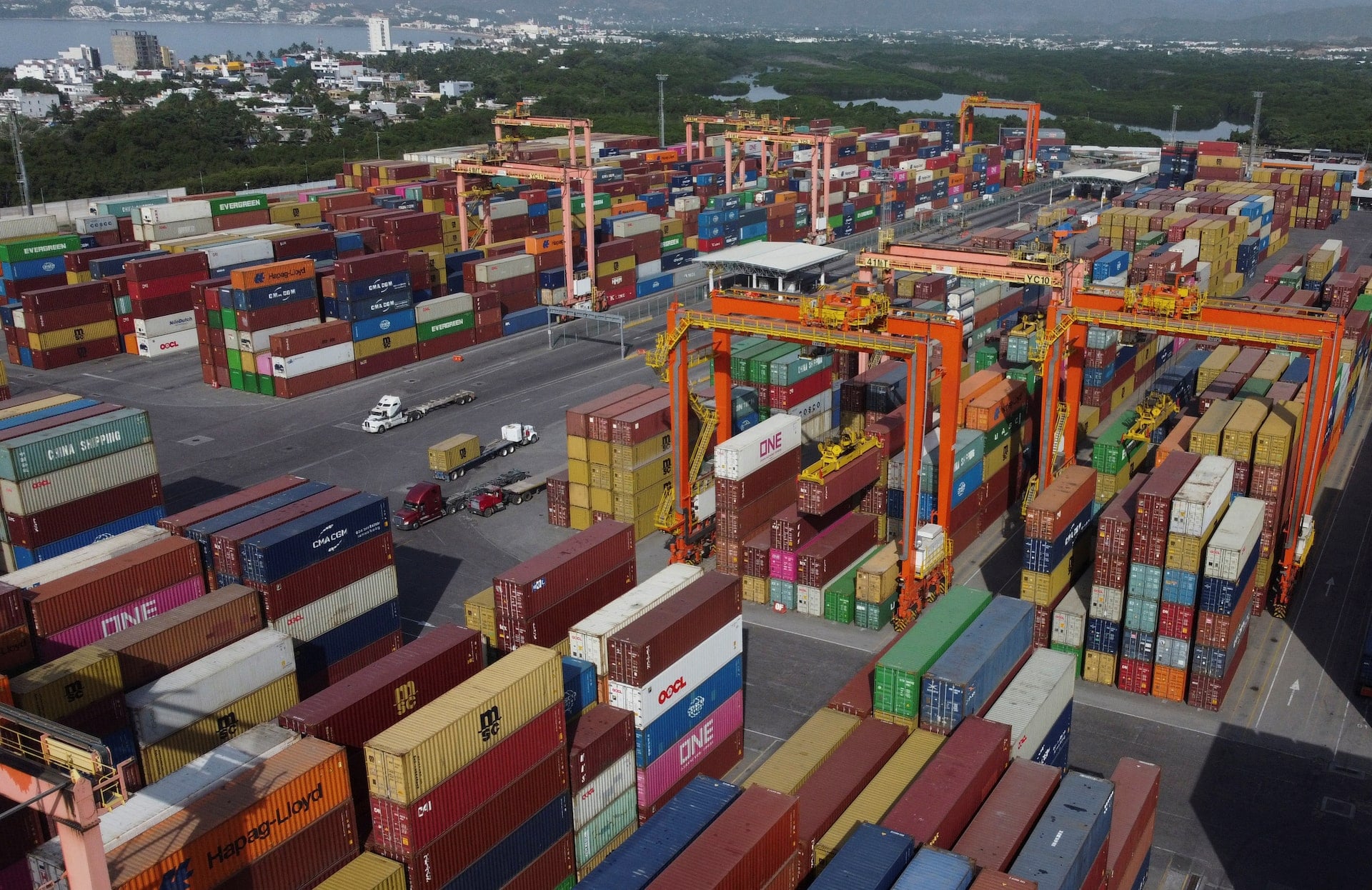 (Photo internet reproduction)
Colombia has quietly become one of Latin America’s stronger players in the unglamorous but vital business of moving shipping containers. A new global ranking puts two of its ports in the regional top ten.
The list comes from the Container Port Performance Index, compiled by the World Bank and S&P Global. It rates hundreds of ports worldwide by a single, hard measure of efficiency.
How the Colombian ports ranked
Cartagena, on the Caribbean coast, is the standout. It places fourth in Latin America and 42nd in the world, climbing a couple of spots from the year before.
It is a position the city has held near the top of the region for years. Heavy investment in its container terminals has kept it competitive against larger rivals.
Cartagena is Colombia’s main container gateway and a major transshipment hub. Goods are unloaded there and reloaded onto other ships bound for ports across the Americas.
That hub role punches above the country’s own trade weight. A well-run transshipment port earns fees handling cargo that is merely passing through, not just Colombia’s own imports and exports.
Buenaventura, the country’s main Pacific port, comes tenth in the region. It slipped several places this time, a reminder that these rankings move year to year.
Buenaventura’s swings reflect its exposure. As Colombia’s principal Pacific outlet, it carries heavy volumes but has long wrestled with congestion and patchy inland connections.
Three more ports round out the picture. Santa Marta, Barranquilla and Turbo all feature in the regional top 50, giving Colombia five entries in all.
That spread is itself a strength. Rather than depending on a single mega-port, Colombia channels trade through several competent terminals on both coasts.
What the index actually measures
The ranking is not about size or total cargo. It measures how long a container ship spends in port, from arrival to departure.
Speed is the whole point. A faster turnaround means lower costs for shipping lines and quicker delivery for the goods inside those steel boxes.
Every extra hour at berth adds up. Idle ships burn fuel and rack up charges, costs that ultimately filter through to the price of imported goods on store shelves.
Asia dominates the global top tier as usual. Chinese ports and Gulf hubs fill most of the leading positions, setting the bar the rest of the world chases.
Latin America’s strongest showings come from Ecuador and Chile, alongside Colombia. The region as a whole has been edging up the table as operators invest in automation and deeper berths.
Why this matters for trade
Port efficiency is an underrated competitive edge. For an exporter, hours saved at the dock translate directly into cheaper, more reliable shipping.
It matters even more in the nearshoring era. As companies relocate supply chains closer to the United States, smooth ports are a key selling point for a country courting that investment.
Colombia’s geography is a natural advantage here. With coastlines on both the Caribbean and the Pacific, it can serve trade flowing in either direction.
That dual-ocean access is rare in the region. It lets exporters reach both the United States and Europe through the Caribbean and Asian markets through the Pacific.
The contrast is worth noting. While headlines dwell on deficits and election risk, the unglamorous machinery of trade keeps grinding along efficiently in the background.
For a foreign reader, the takeaway is a quiet bright spot. Amid Colombia’s fiscal and political noise, its logistics backbone is holding up well against regional peers.
Frequently Asked Questions
How did the Colombian ports rank?
Cartagena placed fourth in Latin America and 42nd globally, while Buenaventura came tenth in the region. In total, five Colombian ports made Latin America’s top 50, including Santa Marta, Barranquilla and Turbo.
What does the index measure?
The Container Port Performance Index, run by the World Bank and S&P Global, scores ports by how fast they turn container ships around. It is about efficiency, not size or total cargo handled.
Why does port efficiency matter?
Faster turnarounds cut costs for shippers and speed up delivery of goods. Efficient ports are a competitive advantage as companies move supply chains closer to the United States.
The Rio Times · Power Map
See who really holds power in Latin America
Click to open the Power Map →