By The Rio Times | Created at 2026-09-25 15:11:35 | Updated at 2026-09-25 16:40:37
1 hour ago
By The Rio Times | Created at 2026-09-25 15:11:35 | Updated at 2026-09-25 16:40:37
1 hour ago
COLOMBIA · POLITICS
Key Facts
- —The country Colombia has about 53 million people and a US$457 billion economy, roughly the size of Denmark’s. The UN counted 261,000 hectares of coca there in 2024, an area about the size of Luxembourg.
- —Why it matters Under former president Gustavo Petro, the state held “total peace” talks with armed groups. Some commanders wanted by US courts had their extraditions frozen while they negotiated.
- —Why now President Abelardo de la Espriella took office on 7 August vowing to dismantle what he calls a “false peace”. On 26 August he ordered five frozen extraditions carried out, this one included.
- —What happened Before dawn on Friday 25 September, police escorted Geovany Andrés Rojas, alias Araña, to a military air base in Bogotá. His US-bound flight was due to stop in Barranquilla.
- —Who is involved Rojas is the reputed leader of the Comandos de la Frontera, a cocaine-trafficking group in Putumayo, on the Ecuador border. A US federal court charges him with cocaine conspiracy and narco-terrorism.
- —What it means for you Nothing changes in Bogotá or the main tourist cities. Anyone heading to Putumayo or the Ecuadorian border should check current government travel advice first.
- —Still open When he first faces a US judge, how he pleads, and whether his group’s fighters disarm, splinter or fight on.
Colombia on Friday began extraditing the reputed leader of the Comandos de la Frontera to the United States. Under the previous government, the same man was a recognised negotiator at the country’s peace talks.
Geovany Andrés Rojas, known as Araña (“Spider”), is wanted by a US federal court on cocaine and narco-terrorism charges. His transfer, frozen for months under Gustavo Petro, is the sharpest sign yet that Colombia has dropped the “total peace” policy.
One-stop reference
Company Intelligence
Every listed company in Latin America — financials, ownership and structure for 1,450+ companies across 26 exchanges, in one place.
A negotiator arrested at the table
Petro’s government formally recognised Rojas as a negotiator for his armed group in February 2024. That status let him take part in talks on reducing violence and replacing coca crops.
On 12 February 2025, investigators from the Attorney General’s office, Colombia’s prosecution service, arrested him at a Bogotá hotel. A round of talks had just closed, and they were acting on an Interpol red notice issued that day at Washington’s request.
The arrest set prosecutors against the government’s own peace office. Petro’s peace commissioner, Otty Patiño, publicly called it a “trap” set for the peace process.
What the United States alleges
A federal grand jury in the Southern District of California, based in San Diego, returned an updated indictment on 7 March 2025. It charges him with conspiring to distribute cocaine and with narco-terrorism, meaning drug trafficking that helps fund a terrorist group.
According to the US case file, as summarised by Colombia’s Supreme Court, Rojas ran the group from January 2017 to February 2025. It says he coordinated cocaine shipments toward Mexico and the United States.
The evidence cited includes a load of about 1,500 kilograms of cocaine seized by Mexico’s navy in March 2024. That is one and a half tonnes.
The FARC, or Revolutionary Armed Forces of Colombia, was a guerrilla army that disarmed under a 2016 peace deal. The terrorism count rests on the group’s past alliance with Segunda Marquetalia, a FARC splinter that Washington lists as terrorist.
Semana, a Colombian news magazine, citing a US Justice Department document, reported that the charges carry ten years to life. Rojas has yet to appear before a US judge, and the accusations remain unproven.
Frozen by one president, released by the next
Colombia’s Supreme Court approved the extradition on 23 October 2025, ruling that the charges were ordinary crimes rather than political ones. That mattered because Colombia’s constitution bars extradition for political offences.
In Colombia the president signs the final order. Petro’s government granted the extradition in late 2025 but suspended it for as long as Rojas made “verifiable contributions” to peace.
De la Espriella, who took office on 7 August, lifted that suspension on Wednesday 26 August. He did the same for four other former negotiators wanted in the United States.
“Spaces for dialogue and false peace are not judicial refuges,” he said as he signed. A review, he added, had found no verifiable contribution to peace from any of the five.
The order is set out in Colombia Orders Five Petro-Era Negotiators Extradited to the US.
Extradition has since become his government’s signature tool. The presidency said on 13 September that he had signed 73 extraditions in his first 32 days, more than two a day.
That pace is tracked in Colombia Extraditions Reach 73 in De la Espriella’s First Five Weeks.
Who the Border Commandos are
The group grew out of the gaps left by the 2016 FARC peace deal. Around 2017, guerrillas who refused to disarm joined La Constru, a gang formed by former right-wing paramilitaries.
It first called itself La Mafia and became the Comandos de la Frontera, Spanish for “Border Commandos”, in 2020. Its early leaders were killed or captured in 2019, and Rojas took over after them.
Its core territory is lower Putumayo, a jungle department, or province, along the San Miguel river that forms the border with Ecuador. InSight Crime, a research group on organised crime, says it moves cocaine toward exit points in Ecuador and Brazil.
Putumayo holds four of Colombia’s ten biggest coca-growing municipalities, including Valle del Guamuez, according to the UN’s 2024 survey. Ecuador’s army blamed the group for a May 2025 ambush that killed 11 Ecuadorian soldiers.
The group later broke with Segunda Marquetalia. It kept talking to Petro’s government inside a new coalition, the Coordinadora Nacional Ejército Bolivariano.
A separate murder case at home
This month Colombian prosecutors also charged Rojas over 13 armed attacks in Caquetá, the department next to Putumayo. They say those attacks killed 16 people between 2020 and 2024.
Prosecutors say the dead included four community leaders and five former FARC fighters who had signed the peace accord. Rojas rejected the charges, and a judge ordered him held in prison.
The extradition does not end that case. Semana reported that the proceedings opened by Colombian prosecutors will continue.
What is left of the talks
The group’s talks with the state had made little progress, according to InSight Crime. In September the government ordered the closure of a temporary zone at Valle del Guamuez housing about 99 of its fighters.
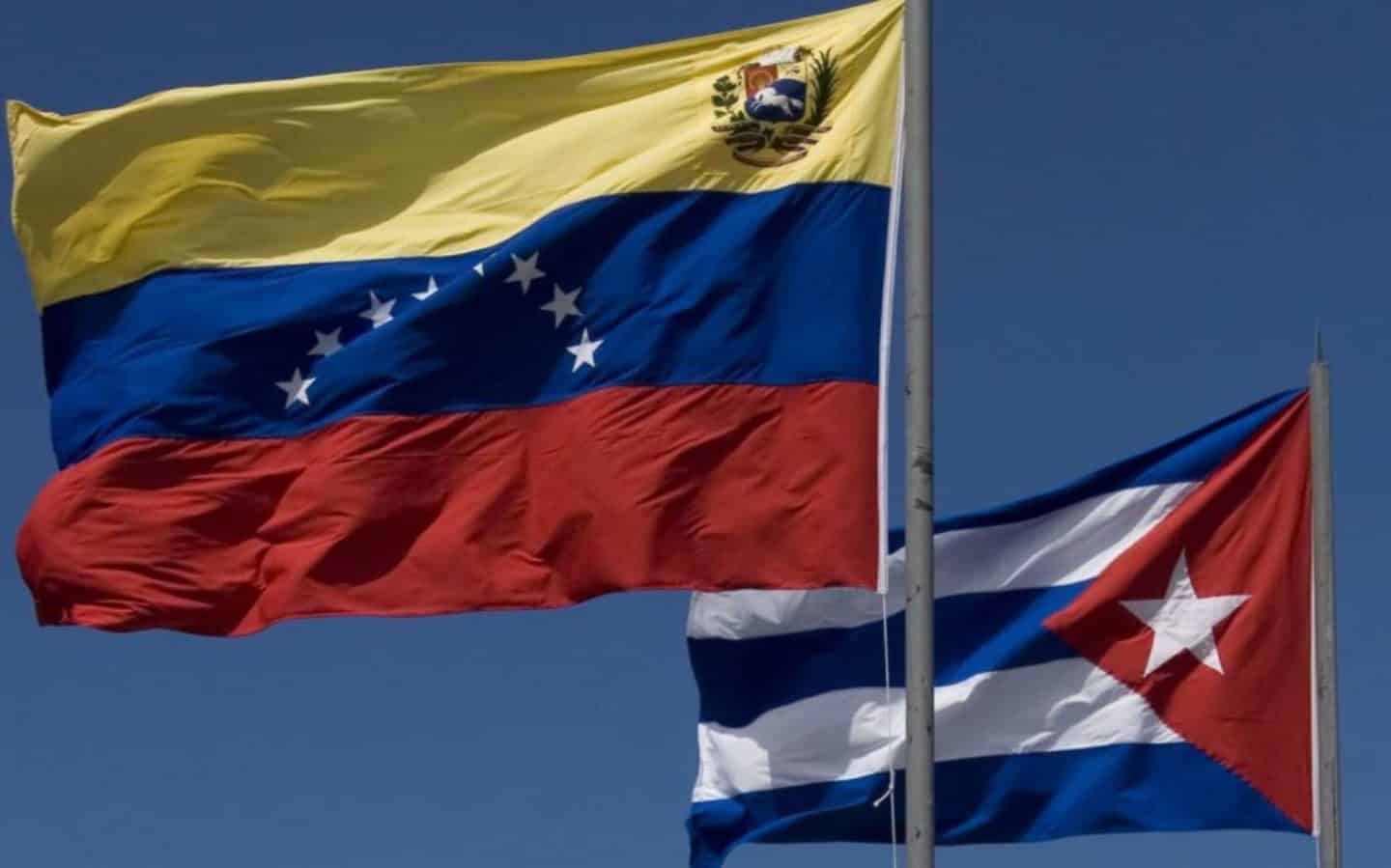
A judge has since paused that closure, and some fighters have already left, El Colombiano reported. Blu Radio reported that about 60 had asked the talks’ guarantor countries, Venezuela, Cuba and Norway, for asylum.
Their spokesman said they would not accept the government’s offer to submit to justice. The wider picture is in Colombia Closes Its Last Peace Table and Strips Armed Groups of Political Status.
InSight Crime reported in June that the group had fragmented since Rojas’s arrest. It described an outfit increasingly focused on extortion and drug trafficking.
What comes next
The formal handover to US agents was scheduled in Barranquilla, where the president was due to speak. Rojas then faces a first hearing before a federal judge in San Diego.
Of the five men named on 26 August, two were still at large that day. The president ordered security forces to capture them so they, too, can be extradited.
The extradition is not a conviction, and the US case must still be proven in court. Nor does it dismantle the group, which has already outlived two earlier leaders.
It also does not settle the argument over total peace. Supporters credit the talks with some local truces, while critics say armed groups grew stronger as they went on.
Frequently Asked Questions
Who is Geovany Andrés Rojas, alias Araña?
He is the reputed leader of the Border Commandos, a cocaine-trafficking armed group in Colombia’s Putumayo department on the Ecuadorian border. Gustavo Petro’s government recognised him as a negotiator in its peace talks in 2024.
What is he charged with in the United States?
Conspiracy to distribute cocaine and narco-terrorism, under an updated indictment returned on 7 March 2025 in the Southern District of California. The charges have not been proven in court.
Why was his extradition delayed?
Colombia’s Supreme Court approved it in October 2025, but Petro’s government suspended the handover while Rojas took part in peace talks. President Abelardo de la Espriella lifted the suspension on 26 August 2026.
Does this affect travel to Colombia?
Not in Bogotá or the main tourist cities. Putumayo and the Ecuadorian border have long been affected by armed groups, so check current government travel advice before going there.
Sources: Infobae; El Tiempo; El Espectador; Semana; Caracol Radio; Blu Radio; El Heraldo; El Colombiano; Europa Press; Presidency of Colombia, 13 September 2026; InSight Crime; UNODC and Government of Colombia, coca monitoring report for 2024; World Bank; IMF World Economic Outlook, April 2026; Associated Press.
This article was produced by The Rio Times’ automated newsroom system. How we use AI · Report an error
The Rio Times · Power Map
See who really holds power in Latin America
Click to open the Power Map →