
 By The Rio Times | Created at 2026-10-16 12:06:21 | Updated at 2026-10-16 13:35:28
1 hour ago
By The Rio Times | Created at 2026-10-16 12:06:21 | Updated at 2026-10-16 13:35:28
1 hour ago
LATIN AMERICA · COPPER
Key Facts
- —The basics Chile mined about 5.3 million tonnes of copper in 2025, roughly 23% of world output, and Peru mined about 2.7 million tonnes, ranking third behind Congo.
- —Why it matters Copper carries electricity through grids, data centres, motors and electric cars, so supply shocks in the Andes move world prices and US costs.
- —The numbers Copper closed at US$6.66 a pound in London on 9 October 2026, near record highs; the 2026 average to that date was US$6.11, up 40.4% on a year earlier.
- —Who is who Codelco, Chile’s state miner, is chaired by Bernardo Fontaine under President José Antonio Kast; BHP runs Escondida, while Grupo México controls Southern Copper, a major producer in Peru.
- —What to watch Codelco’s extraordinary shareholders’ meeting on 5 November over false output figures, the Centinela strike and any US decision on a refined-copper tariff are the next tests.
- —Prediction markets Polymarket’s latest trades price a 33% chance that US copper cable faces Section 232 tariffs by 31 December 2026, and 11% by 31 December 2027 (16 October, 7:39 a.m. ET).
- —Power Index Chile ranks 3rd of 14 in The Rio Times Latin America Power Index, with 63.6 points (October 2026 edition).
- —Power Index Peru ranks 5th of 14 in The Rio Times Latin America Power Index, with 54.7 points (October 2026 edition).
- —What it means for you Refined copper still enters the United States free of Section 232 duty, but most semi-finished copper pays 50%; US investors hold Freeport-McMoRan, Southern Copper and BHP’s ADR.
Two Andean countries mine about a third of the world’s copper. Here is who digs it, who buys it and what could break the supply.
Chile is the largest copper producer, mining about 23% of the world’s copper in 2025, while Peru ranked third with about 12%. With Mexico, these copper mines of Latin America supplied about 38% of world output, according to the US Geological Survey (USGS).
Output is under strain from falling ore grades, strikes, accidents and policy risk, which keeps prices high and volatile. This pillar anchors the Copper in Latin America dossier: who mines, who buys and who sets the rules, as of October 2026.
Who Holds the Copper
The world mined about 23 million tonnes of copper in 2025, the USGS estimates in its Mineral Commodity Summaries 2026. Chile mined 5.3 million tonnes, the Democratic Republic of Congo 3.2 million and Peru 2.7 million.
China followed with 1.8 million tonnes, Russia with 1.3 million and the United States with 1.0 million. Mexico mined 690,000 tonnes, so Chile, Peru and Mexico together supplied about 38% of world output.
Reserves tell a similar story, because Chile holds 180 million of the world’s 980 million tonnes of economic reserves. Peru holds 85 million tonnes, Congo 80 million and Mexico 53 million, all USGS estimates.
Africa’s Copperbelt is the main rival for new supply, as Congo’s output rose to 3.2 million tonnes and Zambia’s to 940,000. The Rio Times guide to the Lobito Corridor and Zambian copper covers that comparison.
Mining is only half the chain, because ore must be smelted and refined. China refined about 14 million of the world’s 29 million tonnes in 2025, while Chile refined 1.7 million.
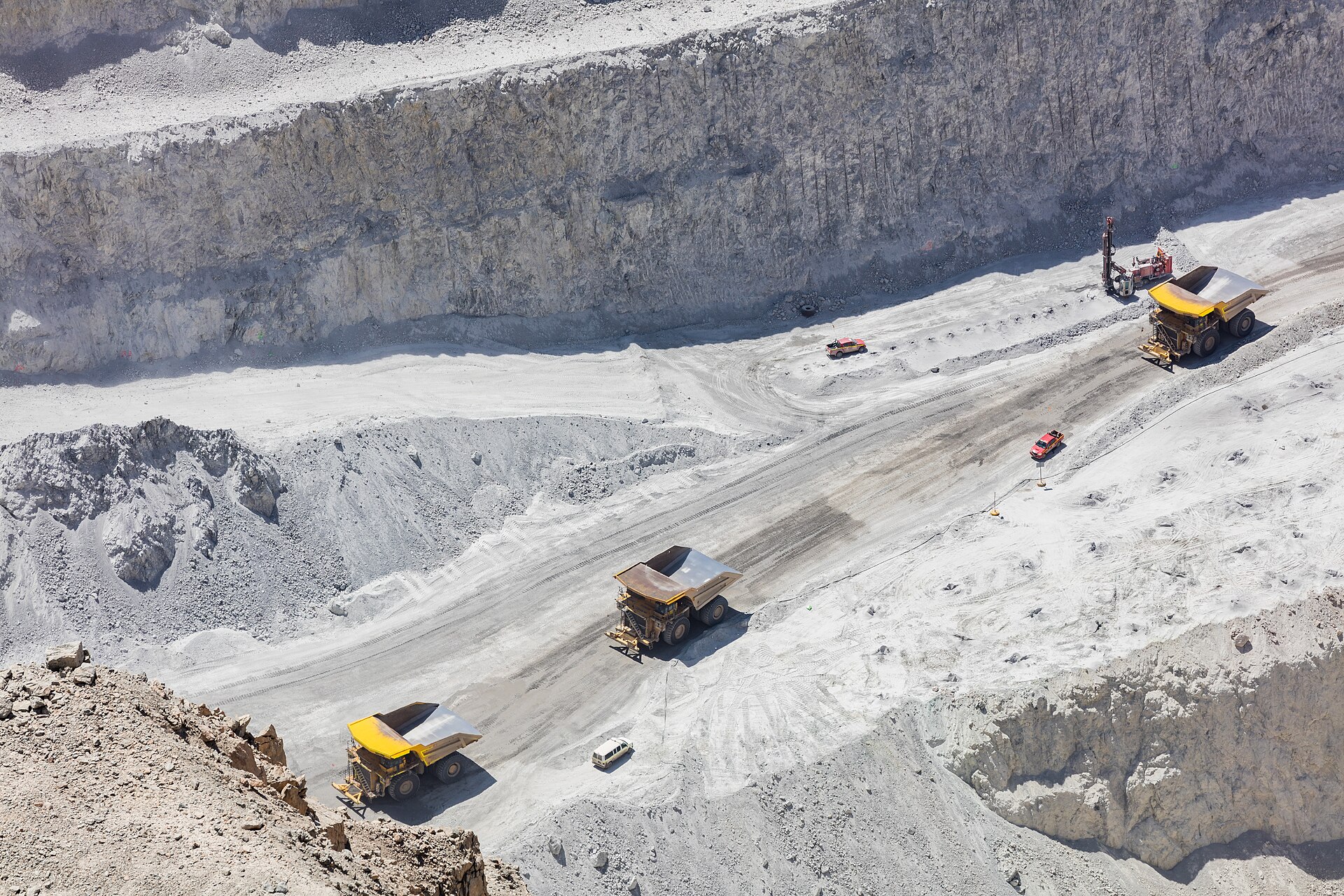
Chile: The World’s Largest Producer Under Strain
Cochilco, Chile’s state copper commission, puts first-half 2026 output at 2.48 million tonnes, 6.6% below a year earlier. It expects 5.27 million tonnes for 2026, down 2.6%, and 5.55 million in 2027.
Codelco, the state company in this guide to Codelco, mined 564,000 tonnes at its own divisions in the first half of 2026. That was 11% less than a year earlier.
On 31 July 2025, an accident at El Teniente, Codelco’s underground mine south of Santiago, killed six workers. Two subcontracted workers died there in an avalanche on Sunday, 11 October 2026, and prosecutors are investigating.
On 20 May 2026, an internal audit found 26,875 tonnes wrongly booked as 2025 output at Chuquicamata and Ministro Hales. That is about 2% of reported own output, and Codelco dismissed one executive and warned seven others.
The board went to prosecutors and hired KPMG to audit 2024 and 2025, as the audit report explains. On 6 October 2026, Codelco reported signs that some output may have been counted twice and hired EY to check.
Bernardo Fontaine, named chairman by President José Antonio Kast in May 2026, leads the board, and Jorge Gómez is chief executive. On 14 October the board agreed to call an extraordinary shareholders’ meeting for 5 November, which the government had requested.
BHP owns 57.5% of Escondida, the giant Atacama Desert mine it runs, and Rio Tinto owns 30%, BHP’s 2026 annual report shows. On 14 October 2026, BHP signed a 36-month contract with Escondida’s supervisors, ending the dispute in this Escondida strike report.
At Centinela, run by London-listed Antofagasta plc, two unions with 709 workers went on strike on Wednesday, 7 October 2026. Cochilco cited the strike as a price driver, and on 14 October the company said output stayed on plan during the stoppage.
Peru: Big Mines, Protests and Informal Mining
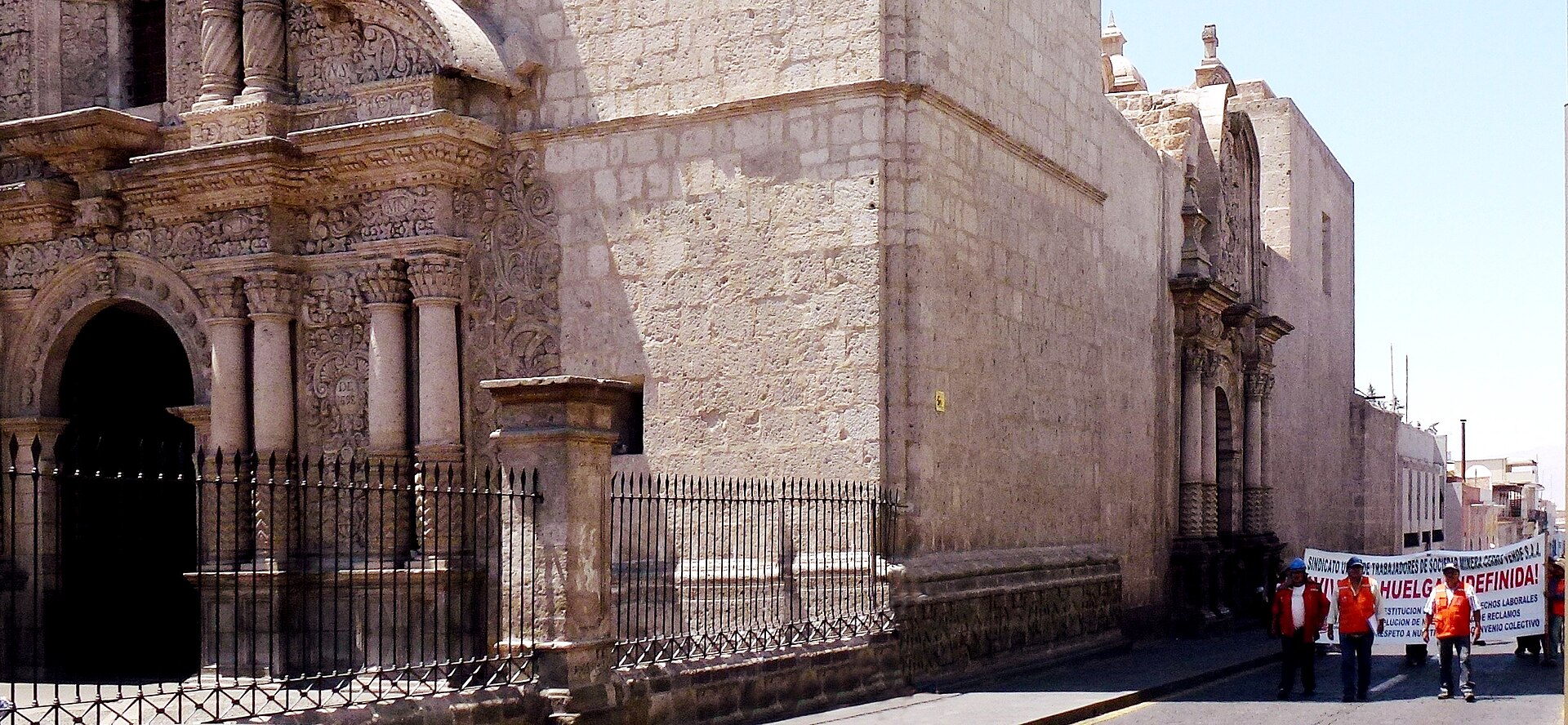
Peru mined about 2.7 million tonnes of copper in 2025, and Cochilco expects output to grow by only 0.5% in 2026. The Ministry of Energy and Mines (MINEM), led by Guillermo Shinno, says mining employed a record 293,742 people directly in July 2026.
Foreign groups own most of the big mines, as the guide to Peruvian copper explains. Antamina, in Áncash, belongs to BHP and Glencore with 33.75% each, Teck with 22.5% and Mitsubishi with 10%.
Cerro Verde, near Arequipa, is run by Freeport-McMoRan, whose economic interest is 55.08%, its 2025 annual report shows. Quellaveco, in Moquegua, belongs 60% to Anglo American and 40% to Japan’s Mitsubishi.
Las Bambas, in Apurímac, belongs to a Chinese consortium led by Hong Kong-listed MMG with 62.5%. Guoxin International holds 22.5% and CITIC Metal 15%, according to MMG.
Southern Copper, 88.9% owned by Grupo México, runs Toquepala and Cuajone in the south and is building Tía María in Arequipa. Its 2025 annual report budgets US$1.805 billion for Tía María, which should produce 120,000 tonnes of cathodes a year from 2027.
The same filing says community groups delayed Tía María and that neighbours increasingly press miners to fund local programmes. Keiko Fujimori, a conservative sworn in as president on 28 July 2026, now leads the government that must manage those disputes.
The New Frontiers: Argentina, Panama, Brazil and Mexico
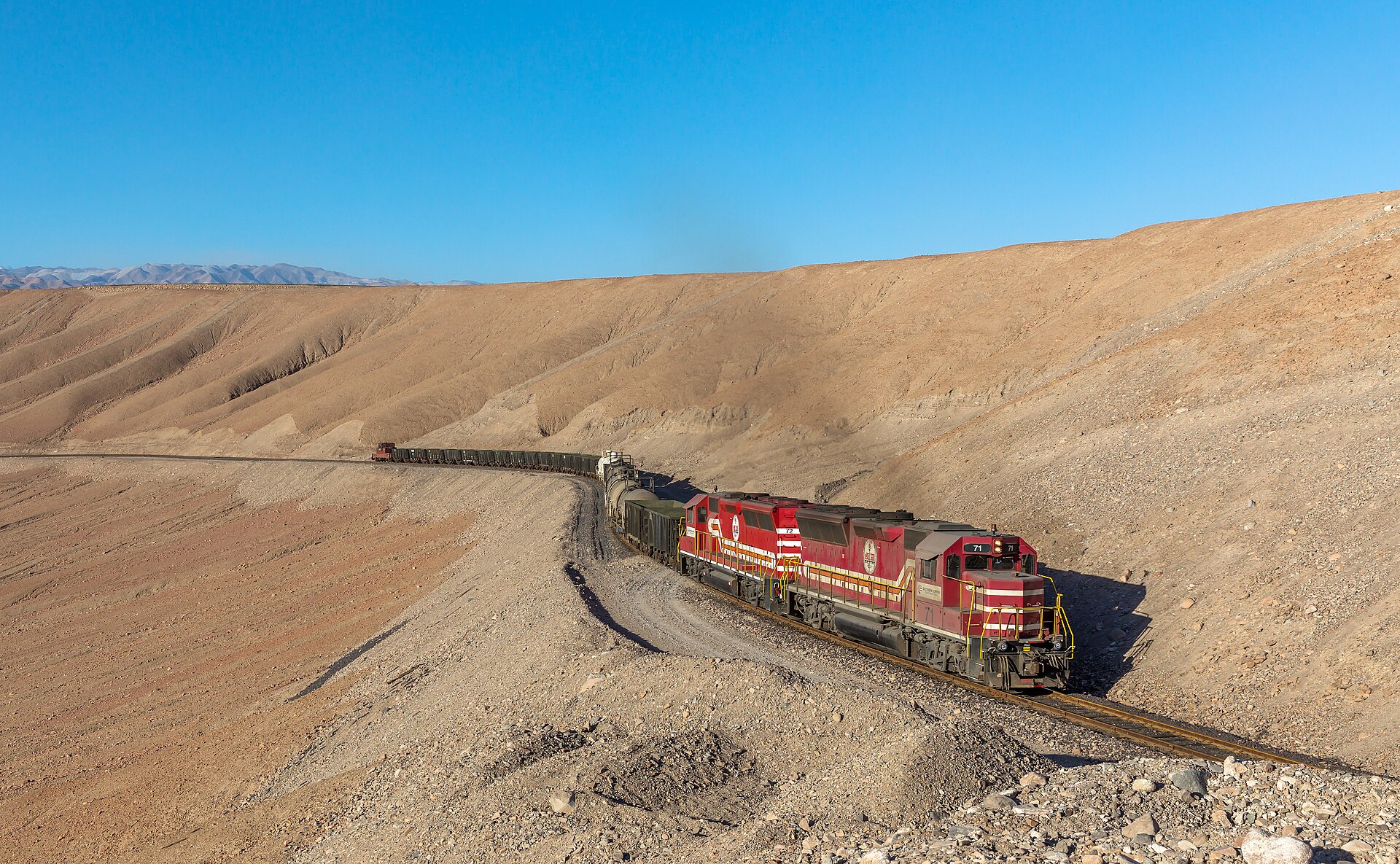
Argentina mines little copper but is approving big projects under the RIGI, which offers 30 years of tax and currency stability. Los Azules in San Juan, a US$2.7 billion plan by McEwen Copper, became the first copper project admitted in September 2025.
Resolution 1154/2026, published on 30 July 2026, admitted Vicuña, a US$9.737 billion plan owned equally by BHP and Lundin Mining. It develops the Josemaría and Filo del Sol deposits, as the Vicuña report describes.
On Friday, 2 October 2026, the government approved Glencore’s Agua Rica project in Catamarca, with planned spending of about US$4 billion. Glencore’s schedule has operations starting in October 2031, as the Agua Rica report details.
Cobre Panamá, run by Canada’s First Quantum, has been shut since November 2023, after Panama’s Supreme Court struck down its contract. Since then the site has been in what the company calls preservation and safe management.
On 30 September 2026, a commission urged President José Raúl Mulino to negotiate an orderly, self-financed closure. First Quantum said it would engage in good faith, as the Cobre Panamá report explains.
In Brazil, Vale mines copper at Salobo and Sossego in Pará state, with copper revenue of US$3.75 billion in 2025. In Mexico, Grupo México mines through Southern Copper, whose Buenavista del Cobre operation lies in Sonora state.
The Companies
Codelco
Owner: Chilean state, 100%
Assets: Chuquicamata, El Teniente, Ministro Hales and other divisions
Stakes: El Abra 49%, Anglo American Sur 20%, Quebrada Blanca 10%
BHP
Ticker: NYSE: BHP (ADS), ASX: BHP
Assets: Escondida 57.5%, Spence (Pampa Norte) 100%, Antamina 33.75%, Vicuña 50%
Antofagasta
Ticker: LSE: ANTO
Assets: Los Pelambres, Centinela, Antucoya and Zaldívar in Chile
Freeport-McMoRan
Ticker: NYSE: FCX
Assets: Cerro Verde in Peru (55.08% economic interest), El Abra in Chile (operator; Codelco holds 49%)
Southern Copper
Ticker: NYSE and Lima: SCCO
Owner: Grupo México, 88.9%
Assets: Toquepala, Cuajone and the Tía María project in Peru; Buenavista del Cobre in Mexico
Glencore
Ticker: LSE: GLEN
Assets: Collahuasi 44% (Chile), Antamina 33.75% (Peru), Agua Rica and El Pachón projects (Argentina)
Anglo American
Ticker: LSE: AAL
Assets: Quellaveco 60% (Peru), Los Bronces and a share of Collahuasi (Chile)
Status: merger with Teck pending
Teck
Ticker: NYSE: TECK, TSX: TECK.B
Assets: Quebrada Blanca (Codelco holds 10%), Antamina 22.5%
First Quantum
Ticker: TSX: FM
Assets: Cobre Panamá, idle since November 2023; projects in Argentina and Peru
MMG
Ticker: HKEX: 1208
Assets: Las Bambas in Peru, 62.5%, with Guoxin International 22.5% and CITIC Metal 15%
Lundin Mining
Ticker: TSX: LUN
Assets: Candelaria and Caserones in Chile; Vicuña in Argentina, 50% with BHP
Vale
Ticker: NYSE: VALE
Assets: Salobo and Sossego in Carajás, Brazil, through Vale Base Metals (Vale 90%, Manara Minerals 10%)
Grupo México
Ticker: BMV: GMEXICOB
Role: owns 88.9% of Southern Copper through Americas Mining Corporation
China, the United States, the EU and the Gulf
China is the decisive buyer, with 57.6% of world refined copper demand in 2026, Cochilco projects. It also refined about 48% of the world’s copper in 2025, USGS figures show.
The International Energy Agency (IEA) says China’s share of global smelting capacity rose from about 15% in 2005 to 50% by 2025. Chinese groups also own all of Las Bambas, one of Peru’s largest copper mines.
The United States imported 1.7 million tonnes of refined copper in 2025, almost double 2024, as tariff expectations pulled metal in. Chile supplied 68% of US refined copper imports between 2021 and 2024, the USGS says.
On 12 March 2026, Chile and the United States signed a joint declaration opening consultations on critical minerals and rare earths. The Chile and US copper and lithium report covers the trade behind that partnership.
The European Union’s Critical Raw Materials Act of 2024 lists copper as a strategic raw material. Its 2030 benchmarks say no more than 65% of any strategic material should come from a single outside country.
Gulf money has entered through Manara Minerals, a Saudi investor that owns 10% of Vale Base Metals, Vale’s filing shows. Japanese firms are long-standing partners, with Mitsubishi holding 40% of Quellaveco and 10% of Antamina.
Prices and Outlook
Copper on the London Metal Exchange (LME) traded near record highs in September 2026, reaching US$6.68 a pound on 8 September. It closed at US$6.66 on Friday, 9 October, Cochilco reports, and the record-price report explains the drivers.
New York’s COMEX market has traded at a premium to London since April 2026, at times above US$0.30 a pound, Cochilco says. The gap reflects bets on a US tariff on refined copper, which pull metal into US warehouses.
On 9 October, COMEX stocks stood at 711,610 tonnes, about three times the 233,025 tonnes in LME warehouses, Cochilco data show. That split leaves Asian buyers tighter than headline inventories suggest.
Cochilco expects averages of US$5.95 a pound in 2026 and US$5.10 in 2027, with small refined surpluses. It calls 2026 physically tight, because much of the metal sits in the United States.
Over the longer term, the IEA’s Global Critical Minerals Outlook 2026 projects a copper supply shortfall of about 25% by 2035. That is narrower than the 30% gap it projected a year earlier, but it still signals a need for new mines.
Policy Fights
Chile’s mining royalty, Law 21,591, has applied to large copper producers since January 2024. It combines a charge on sales with a tax on mining margins, and Codelco pays it too.
Chile’s state also steers lithium through Codelco, which formed NovaAndino Litio with SQM in December 2025. The Lithium in Latin America dossier covers that side of the national strategy.
In Peru, the fights are about community consent and informal mining, and Tía María waited years for local acceptance. Congress has extended REINFO, the provisional register for informal miners, until December 2026.
Panama’s Law 407 of 2023 bars new mining concessions, and the commission’s plan allows no extension of the mine’s life. Any deal would also require the final end of First Quantum’s international arbitration cases.
Argentina reformed its 2010 Glacier Law in April 2026, letting provinces decide case by case which periglacial activities are barred. La Pampa province and environmental groups have asked a federal court to strike it down as unconstitutional.
What the Markets Say
Polymarket, a prediction market, runs one active copper bet: whether US copper cable will face Section 232 tariffs. It covers insulated copper cable rated above 600 and up to 1,000 volts.
At 7:39 a.m. ET on Friday, 16 October 2026, the last trade priced a 33% chance of tariffs by 31 December 2026. The contract for 31 December 2027 last traded at 11%, with about US$16,650 traded across both dates.
Trading is thin, with wide gaps between offers, so the 2027 price sits below the 2026 price. An earlier report on market-implied tariff odds looked at refined copper through the New York premium.
Why we show this: prediction markets turn real-money bets into a live probability that moves within minutes of the news, which is why investors, campaigns and newsrooms in the United States now follow them closely. We show them next to polls and official results, never instead of them.
What It Means for US Readers
Since 1 August 2025, Proclamation 10962 has charged 50% on semi-finished copper products and copper-intensive goods. Refined cathodes, ores and concentrates were left out, so most Chilean copper still enters without that duty.
Proclamation 11021, effective 6 April 2026, applies the duty to an item’s full customs value and sets 25% for some copper articles. A 10% rate applies to derivatives made with US-smelted and cast copper, defined since June 2026 as at least 85% by weight.
The bigger question is refined copper, on which Commerce owed the President a market update by 30 June 2026. No proclamation on a phased 15% duty from 2027 and 30% from 2028 had appeared in the Federal Register by 15 October.
Washington added copper to the US critical minerals list in November 2025, and US net import reliance reached 57% that year. In August 2026 the Commerce Department invited comments on adding 14 more aluminum, steel and copper derivative products to those duties.
US investors can follow the region through Freeport-McMoRan (NYSE: FCX), Southern Copper (NYSE: SCCO), BHP’s ADR (NYSE: BHP) and Vale (NYSE: VALE). The CPER and COPX funds track the wider trade, and the Latin America Power Map scores Chile’s and Peru’s wider standing.
What Is Not Known
It is not known whether the President will impose a refined-copper tariff, or when. Codelco’s final corrected output for 2024 and 2025 awaits the KPMG and EY audits and the prosecutors’ case.
How long the Centinela strike will last, and how much copper it will cost, is not yet known. Nor is it clear whether Panama and First Quantum will agree terms for closing Cobre Panamá.
The Anglo American and Teck merger had not closed by early October 2026, so the final shape of that group is open. Argentina’s new mines are years from production.
This guide is part of the Copper in Latin America dossier, one of the hubs listed on The Rio Times dossiers page. Companion pillars cover lithium in Latin America, Africa’s critical minerals and who backs whom in Africa.
Frequently Asked Questions
Which country produces the most copper?
Chile, which mined about 5.3 million tonnes in 2025, roughly 23% of the world total, according to the USGS. The Democratic Republic of Congo ranked second with 3.2 million tonnes and Peru third with 2.7 million.
Why is copper so important for electric vehicles and power grids?
Copper is the standard affordable conductor, so it fills motors, cables, transformers and charging networks. A 2021 IEA study estimates an electric car uses about 53 kilograms of copper, more than twice a conventional car.
Who owns the biggest copper mines in Chile and Peru?
In Chile, the state company Codelco and BHP, which holds 57.5% of Escondida, lead. In Peru, BHP, Glencore, Freeport-McMoRan, Anglo American, MMG and Southern Copper own the largest mines.
Does the US copper tariff apply to copper from Chile?
Refined copper cathodes from Chile are not covered by the 50% Section 232 tariff in force since August 2025. Most semi-finished copper products pay it, and a refined-copper duty is still undecided.
Sources: USGS, Mineral Commodity Summaries 2026: Copper; Cochilco, copper market outlook, second quarter 2026; Cochilco, weekly copper market report, 5 to 9 October 2026; Codelco, first-quarter 2026 operational and financial report; Codelco, first-half 2026 results; Codelco news releases; BHP, Form 20-F for 2026; Freeport-McMoRan, Form 10-K for 2025; Southern Copper, Form 10-K for 2025; Vale, Form 20-F for 2025; Quellaveco technical report (SEC); Teck, merger update, 1 September 2026; MMG, Las Bambas; Glencore, copper assets; First Quantum, Cobre Panamá update, 30 September 2026; Panama Ministry of Commerce and Industries; Boletín Oficial, Resolution 1154/2026 (Vicuña); Peru Ministry of Energy and Mines; Proclamation 10962; Proclamation 11021; Proclamation 11032; Commerce request for comments, August 2026; IEA, Global Critical Minerals Outlook 2026; IEA, The Role of Critical Minerals in Clean Energy Transitions; EU Critical Raw Materials Act; Reporte Minero, Cochilco daily price data, 8 September 2026; Redimin, copper price, 8 September 2026; Redimin, Centinela strike, 14 October 2026; Minería Chilena, Centinela statement, 14 October 2026; Minería Chilena, Escondida contract, 14 October 2026; Redimin, Escondida statement, 14 October 2026; Energiminas, REINFO extension; Canal N, Law 32537 on REINFO; Ámbito, Los Azules; El Ancasti, Agua Rica; Perfil, Agua Rica; LM Neuquén, Glacier Law reform; Diario de Cuyo, La Pampa lawsuit; Pauta, Chile and US minerals declaration; Andina, Peru inauguration (all accessed 15 October 2026).






