By The Rio Times | Created at 2026-10-07 23:51:56 | Updated at 2026-10-08 01:43:25
2 hours ago
By The Rio Times | Created at 2026-10-07 23:51:56 | Updated at 2026-10-08 01:43:25
2 hours ago
Security: Costa Rica
Key Facts
—Who. Costa Rica’s Judicial Investigation Police (OIJ) and prosecutors, targeting a network tied to Edwin Vargas García, known as “Sobrino.”
—What. 22 raids and 18 detentions on Wednesday 7 October 2026 in a money-laundering case in which investigators suspect gold was exported to the United States.
—Where. Alajuela, Heredia, Cartago and San Carlos, among other places. The gold is suspected to have come in part from the Crucitas area in the north.
—The money. About US$859,000 was allegedly put into three large events in 2024 and 2025 (two concerts and a mass event), and investigators seek to freeze assets worth about ¢700 million (about US$1.5 million).
—US link. Investigators suspect the gold was melted with gold from other sources and exported to the United States as “gold scrap.”
—Status. These are allegations by investigators. No court has ruled, and the suspects are presumed innocent.
—As of. 7 October 2026, 23:20 GMT. Exchange rate: about ¢453 per US$ (EODHD).
Costa Rica’s Judicial Investigation Police (OIJ) raided 22 sites and detained 18 people on Wednesday 7 October 2026 in a money-laundering case called Éxodo. Investigators suspect the network sent gold, possibly from the Crucitas mining area, to the United States.
What We Know
Case Éxodo is the second phase of Case Granero. Granero led in January 2025 to the arrest of Edwin Vargas García, known as “Sobrino,” in Granadilla, Curridabat.
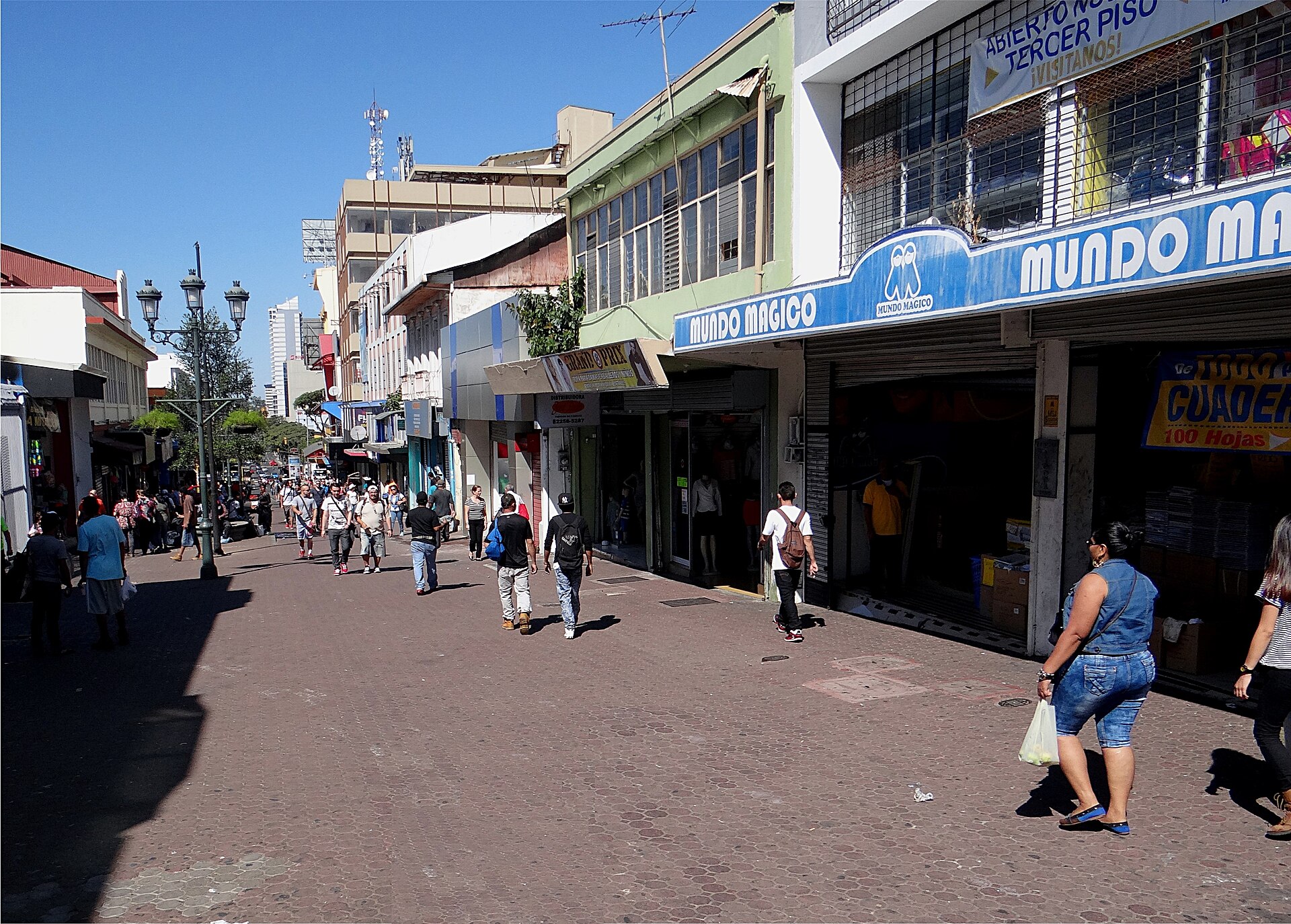
Wednesday’s raids covered sites in Alajuela, Heredia, Cartago and San Carlos. Agents seized about 10 vehicles and 7 firearms, according to La Nación, plus cash whose amount was not given.
Investigators suspect that Vargas may have collected gold from Crucitas at a farm he owned in the Cutris area of San Carlos canton. They also point to a company in downtown San José, linked to one of the detainees, that bought and sold gold.
Crucitas is a gold-bearing area in Cutris district, San Carlos canton, in northern Costa Rica. Investigators suspect the metal was melted together with gold from other sources and exported to the United States as “gold scrap.”
The OIJ does not know the exact amounts and describes them as significant quantities. It is working with international partners to pin down the volume.
Follow this story
Get an email when there’s news on Costa Rica
Free. One email a day at most, and only when there is news. This also signs you up to our weekday newsletter, The LatAm Brief. Nothing arrives until you click the confirmation link, and you can stop either with one click. Privacy policy.
How the Money Allegedly Moved
Investigators say the group put US$859,000 into three large events in 2024 and 2025, two of them concerts. Event producers Don Stockwell and Hugo Barboza are among the 18 people detained, according to La Nación.
Investigators also cite real estate, cattle, jewellery, a clandestine lottery and “gota a gota” loans, in which lenders charge high interest and collect daily. La Nación adds that the group is linked to retail drug sales in Curridabat, Tibás and other districts.
What Was Seized and What Comes Next
In the first phase, authorities seized assets worth about ¢800 million (about US$1.8 million), including jewellery, cash and goods. In this phase, investigators seek to freeze assets worth about ¢700 million (about US$1.5 million).
We did not find a public list of formal charges in the reports we reviewed. We also found no court decision yet on pretrial detention for the 18 people.
What Is Not Known
It is not known how much gold left Costa Rica, or how much of it came from Crucitas. The investigation does not say that all of the group’s gold came from there, because agents found other sources.
No US buyer was named in the reports we reviewed, and we found no comment from US authorities. All suspects are presumed innocent until a court rules.
What It Means for Travelers and US Readers
For US readers, the case matters because the United States is the destination investigators name for the gold. That export remains a suspicion, not a court finding.
Travelers will see no direct effect from the raids, which took place in the central valley and the north. Those following Costa Rica’s security record can find more in our Costa Rica coverage.
More: Costa Rica news in English, every day from The Rio Times.
Frequently Asked Questions
What is Case Éxodo?
It is the second phase of Case Granero, a Costa Rican money-laundering investigation led by the OIJ. On 7 October 2026 it produced 22 raids and 18 detentions.
How was gold allegedly sent to the United States?
Investigators suspect gold, possibly from Crucitas, was melted with gold from other sources and exported as “gold scrap.” They do not know the exact amounts and are working with international partners.
How much money is involved?
Investigators say US$859,000 went into three large events in 2024 and 2025, two of them concerts. They seek to freeze assets worth about ¢700 million (about US$1.5 million).
Why does this matter to US readers?
Investigators suspect the gold was exported to the United States, which ties the case to American markets. No US buyer has been named, and all suspects are presumed innocent.