By The Rio Times | Created at 2026-09-05 09:21:48 | Updated at 2026-09-05 10:02:31
1 hour ago
By The Rio Times | Created at 2026-09-05 09:21:48 | Updated at 2026-09-05 10:02:31
1 hour ago
CUBA · TRAVEL
Key Facts
- —What happened The US embassy in Havana issued a health alert on Friday about a sharp rise in diarrhoeal illness across Cuba.
- —What it blames The alert links the increase to the deterioration of the island’s water and electricity infrastructure.
- —The real story It advises visitors to bring their own basic medicines because pharmacies and hospitals are short of them.
- —The catch This is a travel advisory, not an outbreak declaration, and no case numbers have been published.
- —Who it affects Anyone travelling to Cuba, and residents who depend on the same water and pharmacy networks.
- —What comes next The embassy tells travellers to avoid tap water and to be careful with perishable food.
The American embassy in Havana has told visitors to treat the tap water as unsafe and to pack their own painkillers and antibiotics. The reason it gives is infrastructure, not weather.
One-stop reference
Company Intelligence
Every listed company in Latin America — financials, ownership and structure for 1,450+ companies across 26 exchanges, in one place.
The United States has told its citizens to be careful about what they drink in Cuba. The Cuba health alert was issued by the embassy in Havana on Friday 4 September 2026.
Its central finding is a significant increase in diarrhoeal illnesses across the country. UPI and Infobae both reported the text.
The alert does not describe a single outbreak in one place. It describes a pattern across the island.
What makes it unusual is the cause it names. The embassy points at infrastructure rather than at a pathogen.
What the Alert Actually Says
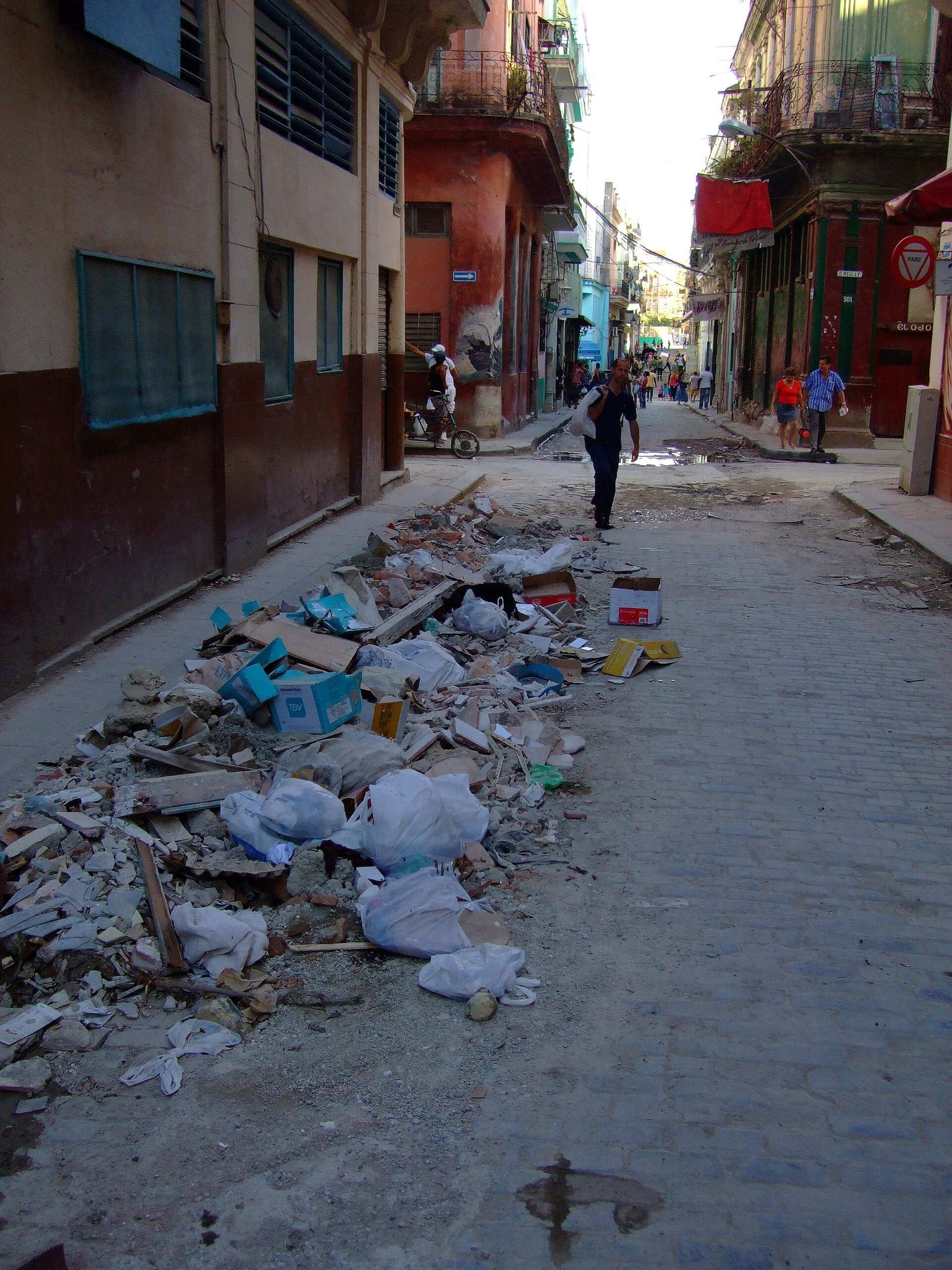
The rise in illness is linked to the deterioration of Cuba’s water and energy infrastructure. Those two systems are connected, because pumping and treating water needs electricity.
Travellers are advised to take extra hygiene precautions. They are told to be cautious with dairy, meat, seafood, eggs and other perishable food.
The condition attached is practical. It applies whenever you do not know how the food was stored.
Tap water should be avoided. That is the single most practical line in the document.
Visitors are also advised to bring a personal supply of basic medication. The alert names paracetamol, ibuprofen, antibiotics and oral rehydration solutions.
The reason given is blunt. Those medicines are in short supply locally.
Why the Medicine Line Matters
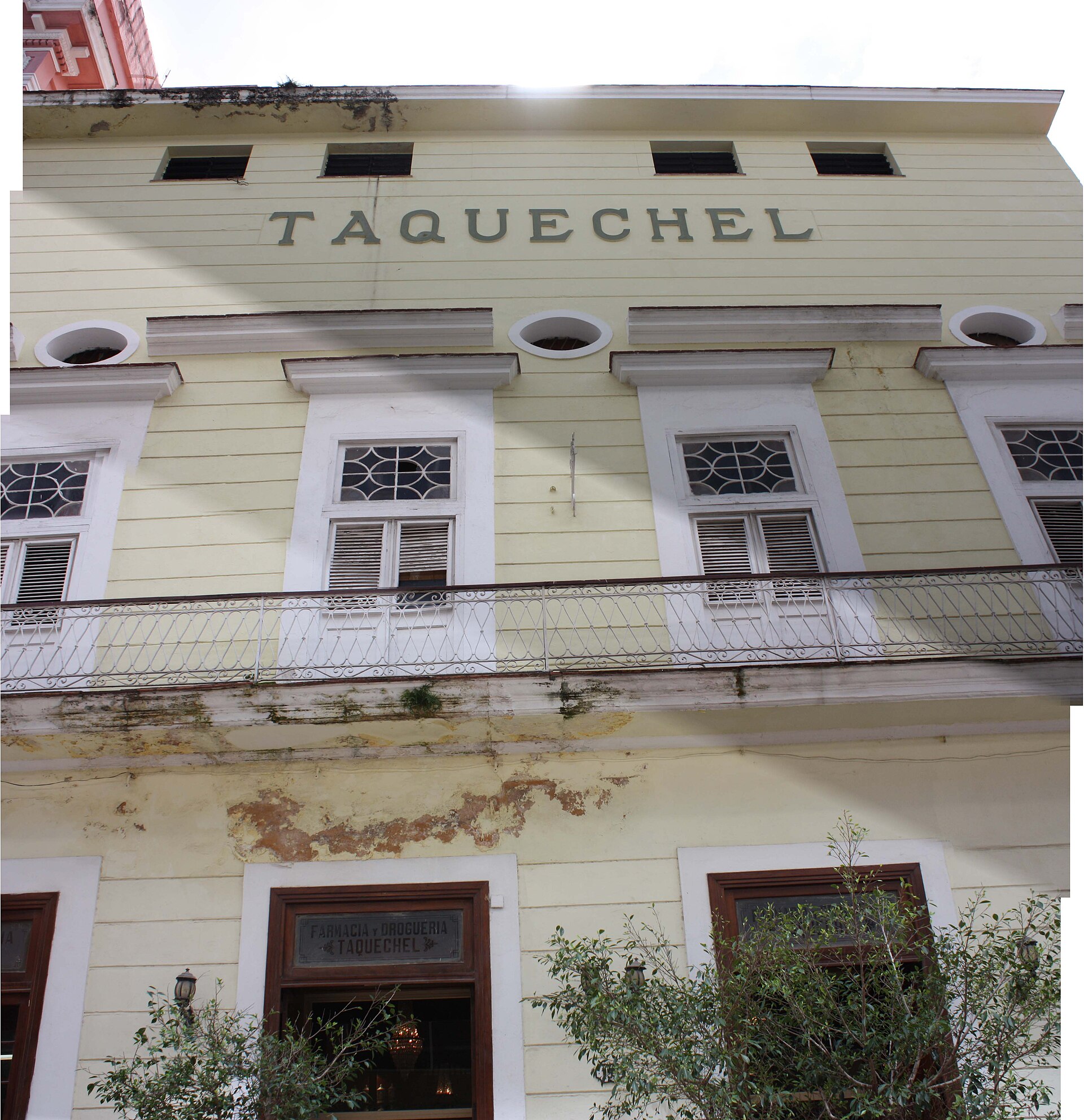
Infobae’s account is more specific on this point. It reports the embassy warning that basic medical supplies and common drugs are out of stock in the hospital and pharmacy network.
Antibiotics, paracetamol and ibuprofen are named. Travellers are advised to carry a first-aid kit and their own reserves before entering the country.
That advice is normally reserved for remote destinations. Giving it for a Caribbean island with a large tourism industry is a notable step.
It also has an obvious consequence for residents. Cubans cannot bring in supplies the way a visitor can.
One Correction Worth Making
The alert has been described in some summaries as being about import shortages. That is not what it says.
The document refers to local medication shortages and to failing infrastructure. It does not attribute those shortages to any specific import mechanism.
The distinction matters because the causes are politically contested. An alert about broken pumps is a different claim from an alert about trade restrictions.
Reporting the embassy’s own wording avoids taking a side that the embassy did not take.
What Is Not in the Alert
No case numbers appear in the published accounts. Neither does a named pathogen.
There is no travel ban and no recommendation against visiting. It is guidance for people who are going anyway.
No Cuban health ministry response has been reported alongside it. That silence is itself worth noting.
Without official case data from either side, the scale of the increase cannot be checked independently.
What Travellers Should Do
The practical steps are simple and worth following regardless of the politics. Drink bottled or treated water, including for brushing teeth.
Be careful with cold food that may have sat without refrigeration. Power cuts make that a real risk rather than a theoretical one.
Pack basic medicines rather than assuming you can buy them. Oral rehydration salts are light, cheap and the single most useful item for this particular risk.
Travel insurance that covers medical evacuation is worth checking before departure. That advice applies to Cuba more than to most Caribbean destinations.
The Wider Picture
Cuba’s electricity system has been under severe strain for two years. Extended blackouts have become routine across the island.
Water supply depends on that same grid. When pumps stop, pressure drops and contamination becomes more likely.
The Cuba health alert is therefore a symptom report rather than a health story alone. It describes what happens downstream when basic services fail.
For the tourism industry, which the country depends on for foreign currency, an advisory of this kind is a costly document. It arrives at the start of the winter booking season.
More: Caribbean news in English, every day from The Rio Times.
Frequently Asked Questions
What does the US embassy alert say?
It warns of a significant increase in diarrhoeal illnesses across Cuba, links this to failing water and energy infrastructure, and advises travellers to avoid tap water and take extra hygiene precautions.
When was it issued?
On Friday 4 September 2026, by the United States embassy in Havana. It was reported the same day by UPI and by Infobae.
What medicines does it tell travellers to bring?
Paracetamol, ibuprofen, antibiotics and oral rehydration solutions. The embassy says these are in short supply in Cuba’s hospital and pharmacy network.
Is this an outbreak declaration?
No. It is a travel health advisory. No case numbers or named pathogen appear in the published accounts, and no Cuban government response has been reported.
Should travellers cancel trips to Cuba?
The alert does not advise against travel. It gives precautions for people who are going: bottled water, care with perishable food, and a personal supply of basic medicines.
Sources: US Embassy Havana, UPI, Infobae, Rio Times.