By The Rio Times | Created at 2026-08-06 08:01:52 | Updated at 2026-08-06 09:41:38
2 hours ago
By The Rio Times | Created at 2026-08-06 08:01:52 | Updated at 2026-08-06 09:41:38
2 hours ago
Namibia · Uranium
Key Facts
- The spend. Deep Yellow invested A$61.4 million (US$40 million) — about N$725 million (US$40 million) — in its Tumas uranium project in the 12 months to 30 June 2026.
- The strategy. Rather than build now, the Australian developer is keeping Tumas construction-ready until uranium prices justify a greenfield decision.
- The prize. Tumas holds reserves of 79.5 million pounds of uranium oxide and would be Namibia’s fourth uranium mine after Rössing, Husab and Langer Heinrich.
- The buffer. Deep Yellow ended June with A$160 million (US$104 million) in cash, no debt facilities and roughly 12 quarters of funding runway.
- The backdrop. Namibia’s uranium sector is drawing global attention, including fresh Chinese money into the rival Etango project.
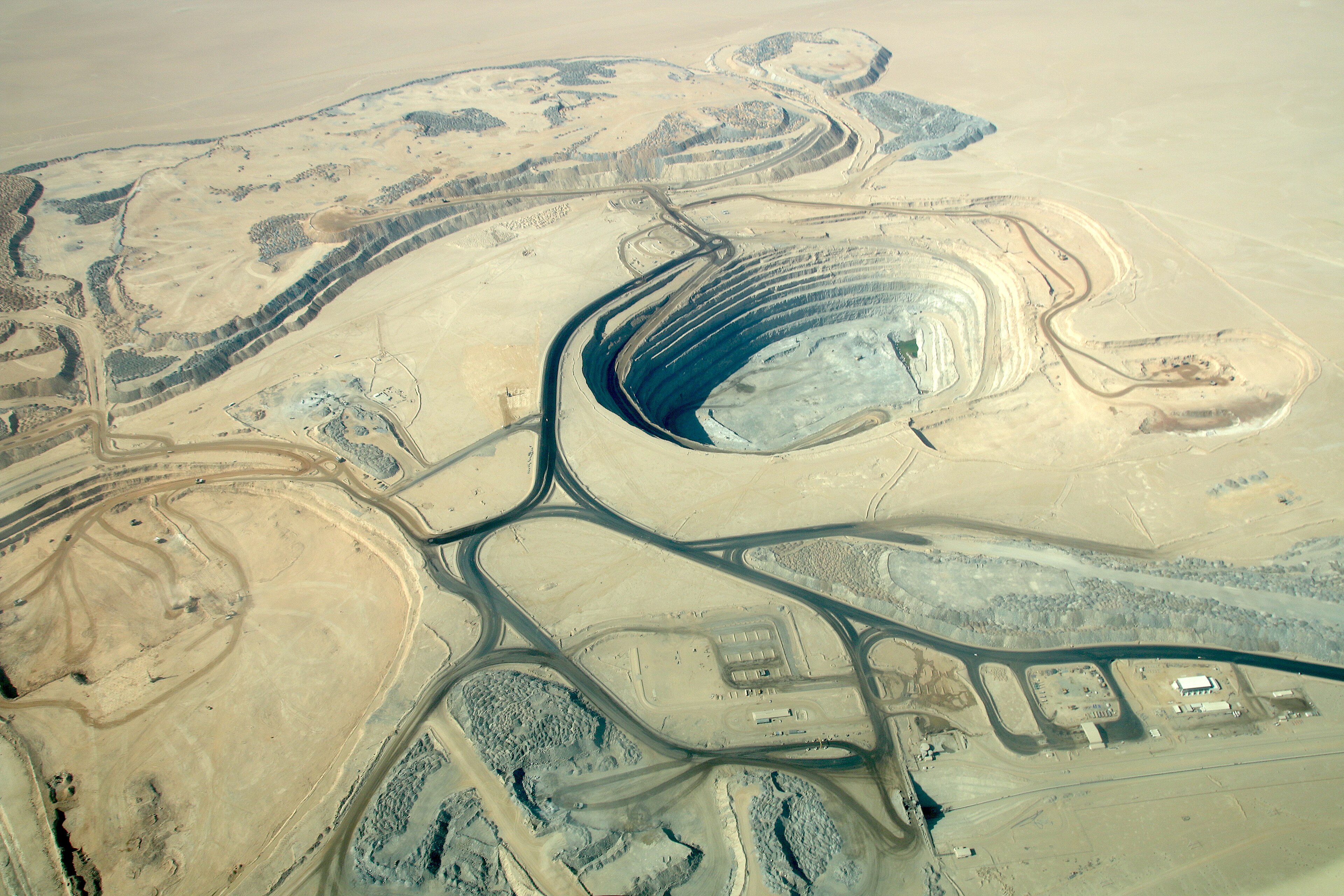
Deep Yellow Tumas uranium spending shows no sign of hesitation. The ASX-listed developer poured about N$725 million (US$40 million) into its flagship Namibian project over the past year, advancing a mine it has deliberately chosen not to build — yet.
One-stop reference
Company Intelligence
Every listed company in Latin America — financials, ownership and structure for 1,450+ companies across 26 exchanges, in one place.
The figures come from Deep Yellow’s latest quarterly cash-flow report. Project development absorbed A$48.2 million (US$31 million) over the 12 months to June, covering engineering and pre-production work, while drilling and resource evaluation took a further A$13.2 million (US$8.6 million).
The pace held through the final quarter, with A$11.2 million (US$7.3 million) spent on development and A$2.8 million (US$1.8 million) on exploration between April and June alone.
Ready to build, waiting for the price
Tumas is a study in disciplined patience. The board deferred the final investment decision in April 2025, judging uranium market prices insufficient to justify greenfield development even though the project meets the company’s investment criteria at US$82.50 a pound.
Instead of walking away, Deep Yellow is spending to stay ready. Detailed engineering continues, early non-processing infrastructure works are under way — two major construction contracts were awarded in July — and project debt financing is being arranged with Nedbank as mandated lead arranger.
The idea is simple. When the uranium term price moves, Tumas should be able to reach construction faster than any rival project on the continent.
The engineering groundwork is already deep. Ausenco holds the design and construction management contract, and the definitive feasibility study, updated in 2025, mapped out the processing plant, water pipeline and power infrastructure the remote site will need.
Deep Yellow is hedging its geography too. Its second project, Mulga Rock in Western Australia, is working through a revised feasibility study due later this year, giving the company two shots at the same price cycle.
The geology supports the ambition. The calcrete-hosted deposit in the Erongo region holds proved and probable reserves of 79.5 million pounds of U₃O₈ at 298 parts per million, enough for a 30-year mine life producing a nameplate 3.6 million pounds a year.
Namibia’s uranium renaissance
Tumas would become Namibia’s fourth uranium mine, joining the Chinese-controlled Husab and Rössing operations and Paladin’s Langer Heinrich in one of the industry’s most established jurisdictions. The country’s 20-year mining licence for the project runs to 2043.
The timing is not accidental. Nuclear power is back in favour from Washington to Beijing as governments chase firm, low-carbon electricity, and utilities are rebuilding the long-term contract books that uranium developers live on.
Competition for Namibian assets is intensifying. In June, regulators approved a Chinese entry into Bannerman Energy’s Etango project — Tumas’s closest peer — with conditions on local jobs and suppliers, a deal that signalled Beijing’s determination to secure nuclear fuel at source.
The industry gathered in Windhoek this week for the country’s annual Mining Expo, with uranium at the centre of the programme. It is the sharpest example yet of the minerals contest The Rio Times maps in its New Scramble for Africa pillar.
A balance sheet built to wait
Patience costs money, and Deep Yellow has it. The company closed June with A$160 million (US$104 million) in cash — around N$1.9 billion (US$107 million) — and reported no loan facilities or credit standby arrangements.
At the current rate of expenditure, management estimates roughly 12 quarters of funding runway. That is three years in which the uranium price only has to cooperate once.
The risk is the mirror image. If prices stagnate, Tumas remains an expensive option rather than a mine, and the A$61 million (US$40 million) annual holding spend will draw questions from shareholders watching the clock.
What to watch
First, the uranium term price. The whole strategy hinges on long-term contract prices reaching a level that supports a greenfield build, and utility contracting has been the market’s tightest segment.
Second, the financing package. A mandated lead arranger is in place; converting that into committed project debt will signal how lenders read the market’s direction.
Third, the Chinese angle. Beijing’s entry into Etango puts state-backed competition next door, and Namibia’s regulators have shown they will attach localisation strings to every approval — a factor for any future Tumas partner, across Southern Africa.
Frequently asked questions
What is the Tumas uranium project?
Tumas is Deep Yellow’s flagship uranium project in Namibia’s Erongo region, a calcrete-hosted open-pit deposit with reserves of 79.5 million pounds of U₃O₈. Fully built, it would be Namibia’s fourth uranium mine, with a 30-year life and nameplate output of 3.6 million pounds a year.
Why has Deep Yellow not started building Tumas?
The board deferred the final investment decision in April 2025 because uranium prices were too low for a greenfield project. The company is instead completing engineering, early infrastructure and debt financing so construction can start quickly once prices justify it.
How much has Deep Yellow spent on Tumas recently?
About A$61.4 million (US$40 million), roughly N$725 million (US$40 million), in the 12 months to 30 June 2026 — A$48.2 million (US$31 million) on project development and A$13.2 million (US$8.6 million) on exploration and evaluation. It held A$160 million (US$104 million) in cash at the end of June.
Who else is investing in Namibian uranium?
China moved into the sector in June 2026 when regulators approved a stake in Bannerman Energy’s Etango project, subject to local employment and supplier conditions. Namibia’s producing mines include the Chinese-controlled Husab and Rössing and Paladin’s Langer Heinrich.
This article was produced by The Rio Times’ automated newsroom system. How we use AI · Report an error
The Rio Times · Power Map
See who really holds power in Latin America
Click to open the Power Map →