By Better Living | Created at 2026-08-09 12:52:04 | Updated at 2026-08-09 13:02:42
22 minutes ago
By Better Living | Created at 2026-08-09 12:52:04 | Updated at 2026-08-09 13:02:42
22 minutes ago
That jar of paprika in the back of the cabinet, older than you’d like to admit, probably isn’t dangerous. Most spices don’t spoil the way milk or produce does. They just gradually lose the punch that makes them worth using in the first place. There’s one real exception worth knowing about, and it has nothing to do with age.
Do spices go bad?
The short answer: Not in the traditional sense. Spices are too dry to support most bacterial growth, so they don’t spoil like perishable food. Instead they gradually lose potency: whole spices stay flavorful for 3 to 4 years, ground spices for 2 to 4 years, and dried leafy herbs for 1 to 3 years, per McCormick’s own storage guidance. Salt and pure vanilla extract are the exceptions; both have an indefinite shelf life and don’t fade the way other spices do. The one genuine safety concern is moisture. A handful of spices, especially paprika, chili powder, and nutmeg, can develop mold that produces aflatoxin, a regulated toxin, if they’re stored somewhere damp.
For general pantry rules, check the food storage guide. If you’re storing a specific spice-adjacent staple, the vanilla extract and cocoa powder guides cover individual items in more depth.
📋 Do Spices Go Bad: At a Glance
| Whole spices (peppercorns, allspice, seeds) | 3 to 4 years for best flavor |
| Ground spices (cumin, paprika, chili powder) | 2 to 4 years for best flavor |
| Dried leafy herbs (basil, oregano, rosemary) | 1 to 3 years for best flavor |
| Seasoning blends | 1 to 2 years for best flavor |
| Pure vanilla extract | Indefinite; doesn’t spoil |
| Salt | Indefinite; doesn’t spoil or fade |
| Refrigeration required? | No, except optionally for paprika and chili powder |
| Real safety risk | Mold and aflatoxin in paprika, chili powder, or nutmeg stored damp |
Key Takeaways
- Spices don’t spoil the way perishable foods do. They lose potency gradually, and an old spice is a quality problem, not usually a safety one.
- Whole spices outlast ground versions by a wide margin, since grinding exposes far more surface area to air and light.
- Paprika, chili powder, and nutmeg are the exceptions. All three are documented as susceptible to mold that produces aflatoxin under humid storage conditions, which is a genuine safety issue, not just a flavor one.
- Salt and pure vanilla extract are the true exceptions in the spice cabinet. Per McCormick, both have an indefinite shelf life, and vanilla’s flavor can even mellow and improve with age.
- McCormick specifically does not recommend freezing dried spices and herbs, since repeated freezer trips introduce condensation that speeds up flavor loss.
- Heat, light, and moisture, not time alone, are what actually degrade a spice’s flavor and aroma.
Why Spices Don’t “Spoil” Like Other Food
The science: it’s about oils fading, not bacteria growing
Spices get their flavor and aroma from volatile essential oils. Once a spice is dried and ground, those oils begin slowly oxidizing and evaporating on contact with air, heat, and light, the same reason cocoa powder and cornstarch hold up for years but still eventually go flat. Grinding a spice releases those oils immediately and multiplies the surface area exposed to oxygen, which is exactly why whole peppercorns or whole allspice last noticeably longer than their ground counterparts. Because dried spices contain very little moisture, most bacteria have nothing to grow in, which is also why spices don’t develop the kind of dangerous spoilage bacteria that raw or refrigerated food does.
Moisture is the exception that matters. A small number of spices, particularly paprika, chili powder, and nutmeg, are documented in food safety literature as susceptible to Aspergillus mold growth when stored somewhere humid. That mold can produce aflatoxin, a potent toxin the FDA regulates with an action level of 20 parts per billion in human food. This risk comes primarily from how a spice was grown, dried, and stored before it reached your kitchen, but a damp spice cabinet or a wet spoon dipped repeatedly into the jar can make conditions worse at home too. It’s a real reason the standard “keep spices dry” advice is worth following, not just a flavor tip.
How Long Spices Actually Last
Whole spices
Whole spices, like peppercorns, whole allspice, and caraway seeds, hold their flavor the longest: 3 to 4 years, per McCormick’s own guidance. Because the essential oils stay locked inside the seed or pod until it’s crushed, whole spices are also the better choice if you want the longest possible shelf life from a single purchase.
Tip: grind whole spices just before cooking
A spice or pepper grinder filled with whole peppercorns, coriander, or cumin seed releases essential oils at peak freshness right when you need them, rather than months or years in advance. It’s a small habit that noticeably improves flavor without changing how you cook.
Ground spices
Ground spices, such as cumin, ginger, paprika, and chili powder, are good for 2 to 4 years per McCormick, similar in pattern to other ground pantry staples like cream of tartar or cornmeal. Because grinding exposes more surface area, they lose potency faster than whole spices even under identical storage conditions. An old ground spice isn’t unsafe on its own, it just delivers a duller, less vibrant flavor than a fresher jar would.
Warning: paprika, chili powder, and nutmeg need to stay dry
These three spices are specifically called out in food safety research as susceptible to Aspergillus mold, which can produce aflatoxin, a regulated toxin linked to liver damage with long-term exposure. Never scoop these spices with a wet or food-crusted spoon, never shake them directly over a steaming pot, and store them in a tightly sealed container away from humidity. If you ever see clumping combined with a musty smell or visible fuzzy spots, discard the jar rather than trying to salvage it.
Tip: the red pepper family benefits from the fridge
See also

McCormick specifically recommends refrigerating paprika and chili powder to help retain their color and freshness, even though it isn’t required for safety on its own. This is one of the few spice categories where the fridge is worth the cabinet space.
Dried leafy herbs and seasoning blends
Dried herbs like basil, oregano, and rosemary last 1 to 3 years, and most seasoning blends fall into a similar 1 to 2 year window, per McCormick. Herbs tend to fade faster than whole spices because their thin, papery leaf structure holds onto essential oils less effectively than a seed or bark does. Blends fade fastest of all, since they’re really just a mix of ingredients that are each individually losing potency on their own timeline.
The true exceptions: salt and vanilla extract
Two products in the spice cabinet genuinely don’t fade. McCormick lists salt and pure vanilla extract as the only items with an indefinite shelf life. Salt is a mineral, not an organic compound with volatile oils to lose, so there’s nothing in it to oxidize or evaporate over time; a container from years ago performs identically to one bought yesterday. Vanilla extract’s flavor can actually deepen with age rather than fade, and its alcohol content helps keep it shelf-stable. The vanilla extract guide covers that in more detail, including why imitation vanilla behaves differently than the real thing.
Reviving Spices That Have Faded
A spice that’s lost its punch but shows no signs of moisture damage isn’t necessarily a lost cause. Toasting whole seeds or a ground spice blend in a dry skillet over medium-low heat for a minute or two, stirring constantly, can wake up dulled essential oils. Frying a spice briefly in hot oil right before adding other ingredients works similarly. Neither trick can bring back a spice that’s truly stale, but both can meaningfully help one that’s just a year or two past its best.
How to Store Spices for Maximum Shelf Life
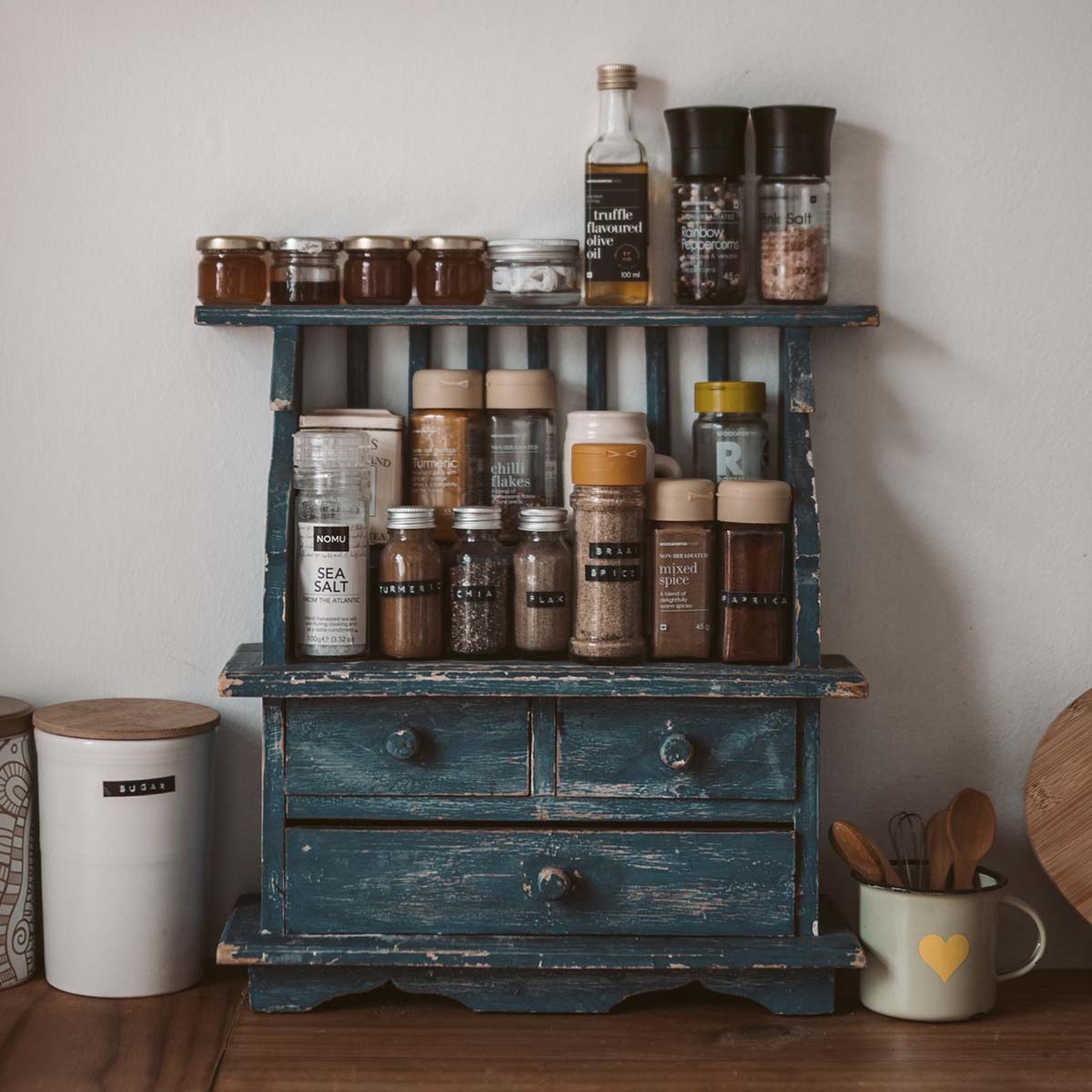
Keep spices in tightly sealed, opaque or dark containers, away from the stove, dishwasher, sink, and any window. Heat, light, and humidity are the three real enemies of flavor. McCormick specifically does not recommend freezing spices, since pulling a jar in and out of the freezer introduces condensation that speeds up flavor loss rather than slowing it down, an exception to the freezing advice that helps with many other pantry staples like flour or brown sugar. A dark cabinet or drawer beats an open countertop rack for shelf life, though if having spices visible means you actually use them more, that tradeoff is often worth it.
| Whole spices | 3 to 4 years |
| Ground spices | 2 to 4 years |
| Dried leafy herbs | 1 to 3 years |
| Seasoning blends | 1 to 2 years |
| Pure vanilla extract | Indefinite |
| Salt | Indefinite |
| Paprika, chili powder, nutmeg (any age, exposed to moisture) | Discard if clumped, musty, or visibly moldy |
Frequently Asked Questions
Can old spices make you sick?
Almost never from age alone. Spices are too dry to support most bacterial growth, so an old jar is typically a flavor disappointment rather than a health risk. The exception is spices exposed to moisture, particularly paprika, chili powder, and nutmeg, which can develop mold and the toxin aflatoxin under damp conditions.
Do spices really expire?
Not in the sense of becoming unsafe. McCormick describes spices as going “not good” rather than “bad”: they lose aroma and flavor gradually rather than spoiling outright. The best-by date on a jar reflects peak flavor, not a safety cutoff.
Do whole spices last longer than ground spices?
Yes, noticeably. Whole spices last about 3 to 4 years compared to 2 to 4 years for ground versions, because grinding exposes far more surface area to the air and light that cause essential oils to fade. If you have a grinder, buying whole and grinding as needed extends usable freshness the most.
Should spices be refrigerated?
Generally no. Most spices are shelf-stable at room temperature and don’t benefit meaningfully from the fridge. Paprika and chili powder are the exceptions: McCormick recommends refrigerating them specifically to preserve color and freshness, even though it isn’t a safety requirement.
Can you freeze spices to make them last longer?
It’s not recommended. McCormick specifically advises against freezing dried spices and herbs, since repeatedly removing a jar from the freezer introduces condensation that accelerates flavor and aroma loss rather than preventing it.
What is aflatoxin, and why does it matter for spices?
Aflatoxin is a toxin produced by Aspergillus mold, and it’s a genuine health concern with long-term exposure. Paprika, chili powder, and nutmeg are specifically documented as susceptible to this mold when stored in humid conditions. The FDA regulates it with an action level of 20 parts per billion in human food, which is why keeping these particular spices dry matters more than it does for most others.
How can you tell if a spice has gone truly bad versus just lost potency?
Lost potency shows up as a duller color, weaker smell, and less impact on a dish, none of which are dangerous. True spoilage looks different: clumping combined with a musty or off smell, or any visible mold or fuzzy spots, especially in paprika, chili powder, or nutmeg. That combination means the jar should be discarded rather than used.
Is it safe to use spices past the best-by date?
Usually, yes. McCormick states its products don’t spoil, only lose flavor and quality over time, similar to how many foods last well past their printed date. As long as the spice shows no clumping, moisture damage, or off smell, an old jar is safe, just less flavorful.
How do you bring a faded spice back to life?
Toast it in a dry skillet over medium-low heat for a minute or two, stirring constantly, or add it to hot oil early in cooking to release dormant essential oils. This works best on spices that are simply dulled with age, not ones showing any sign of moisture damage.
Does salt ever go bad?
No. Salt is a mineral rather than an organic compound, so there’s no oil or moisture content in it to oxidize, evaporate, or degrade over time. McCormick lists it alongside pure vanilla extract as the only spice-cabinet items with a truly indefinite shelf life. Iodized salt can technically lose some of its added iodine over several years, but the salt itself never spoils or loses its seasoning power.
Does vanilla extract ever go bad?
No, pure vanilla extract is one of the two true exceptions in the spice cabinet. Per McCormick, it has an indefinite shelf life and its flavor can actually improve with age, though sediment may naturally form over time. See the vanilla extract guide for more on storing it and how imitation vanilla differs.
Why does my ground spice have less flavor than the same spice bought whole?
Grinding immediately releases a spice’s essential oils and dramatically increases the surface area exposed to air. Once released, those oils begin degrading right away, which is why pre-ground spices fade faster than whole ones and why freshly ground spice tastes noticeably more vibrant than jarred.
Can bugs get into spices?
Yes, particularly whole spices and dried herbs, which can attract pantry pests like weevils or Indian meal moths, especially if a container isn’t fully sealed. Small moving specks, webbing, or tiny holes in the packaging are signs of infestation. If you see any of these, discard the jar rather than trying to sift the pests out, and check nearby containers, since infestations can spread through a cabinet.
Further Reading
- Does Vanilla Extract Go Bad?
- Does Vanilla Extract Need to Be Refrigerated?
- Does Cocoa Powder Go Bad?
- Does Cornstarch Go Bad?
- Does Baking Soda Go Bad?
- Does Baking Powder Go Bad?
- Does Yeast Go Bad?
- Foods That Last Longer Than You Think
- Dangerous Expired Pantry Staples
- Can Expired Condiments Make You Sick?
A well-stocked, fresh spice cabinet earns its keep in almost everything. Lean on it for Mexican steak tacos, green chile chicken tacos, a classic meatloaf, Greek-style pork loin, chorizo-stuffed jalapenos, Cajun-style BBQ ribs, a bourbon baked ham, or a batch of unique burgers that lean on spice blends instead of just salt and pepper.
Better Living may earn commissions through affiliate links and may occasionally feature sponsored or partner content. If you make a purchase through our links, we may receive a small commission at no cost to you.