By Better Living | Created at 2026-09-30 16:09:59 | Updated at 2026-09-30 20:05:33
4 hours ago
By Better Living | Created at 2026-09-30 16:09:59 | Updated at 2026-09-30 20:05:33
4 hours ago
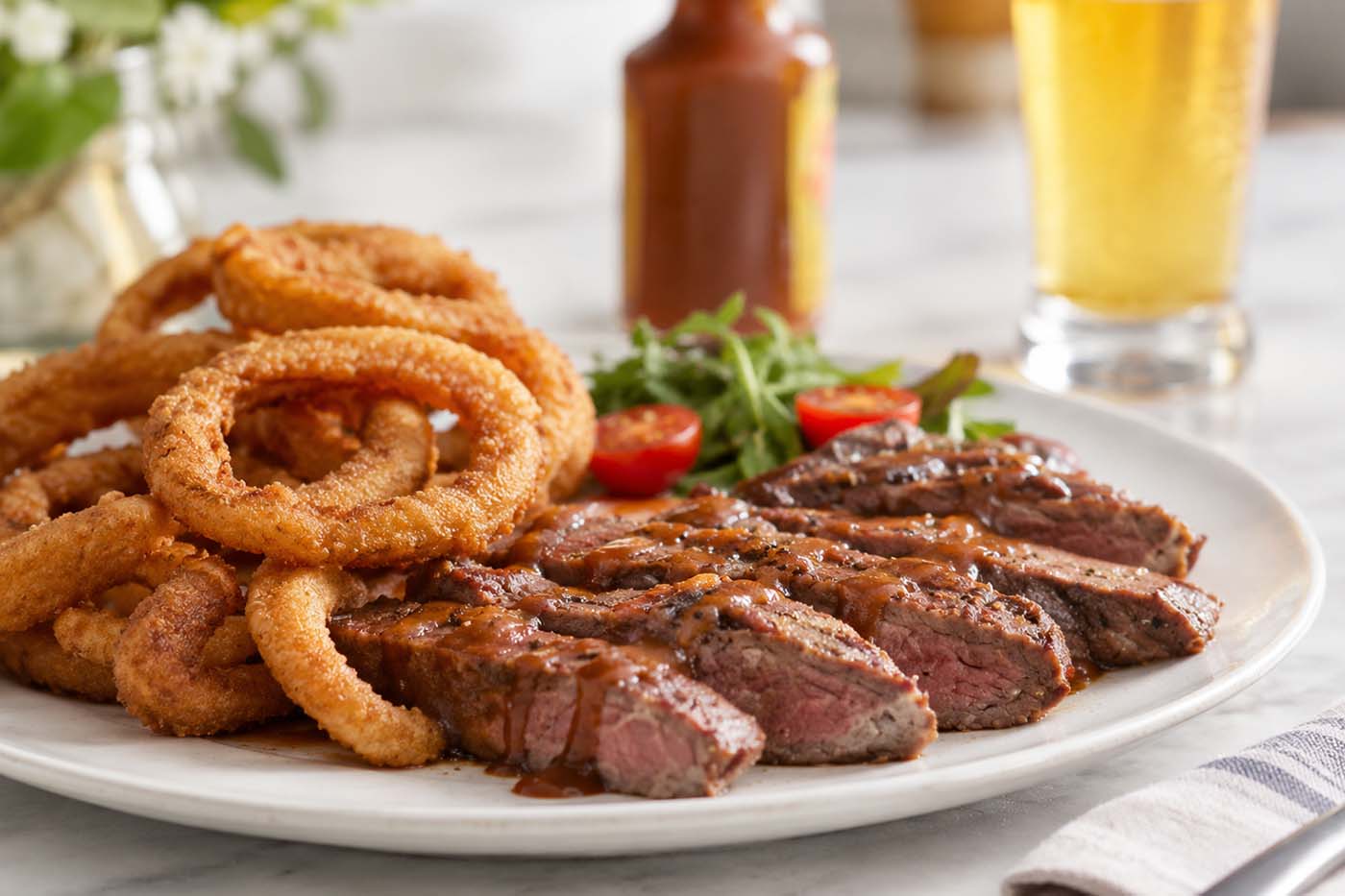
You just grabbed a bottle of Heinz 57 off a regular grocery shelf, not out of a cooler, and now you’re pouring it over a steak and wondering whether it should have gone in the fridge the moment you got home. It’s the same question people ask about ketchup, and for largely the same reason.
Does Heinz 57 need to be refrigerated?
The short answer: Before opening, no. Heinz 57 is formulated to be shelf-stable, which is why it’s sold on a regular grocery shelf rather than in a refrigerated case, and an unopened bottle is fine in a cool, dry pantry for years. After opening, refrigerate it. Multiple independent sources, including consumers who’ve read the physical bottle directly, describe a “refrigerate after opening” instruction on the Heinz 57 label, consistent with the confirmed wording on A1 sauce, a similar product from the same manufacturer. That recommendation lines up with how Kraft Heinz has publicly described its similarly formulated ketchup: shelf-stable thanks to natural acidity, with refrigeration after opening recommended primarily to maintain quality.
For shelf life figures and how to tell if Heinz 57 has actually spoiled, see our companion post: does Heinz 57 go bad. Since it’s part of the same steak sauce family, our guides to does A1 sauce need to be refrigerated and does steak sauce need to be refrigerated cover very similar reasoning. For a complete condiment storage reference, see our Food Storage Guide.
Key Takeaways
- Unopened Heinz 57 is shelf-stable and doesn’t need refrigeration, which is why it’s stocked in the condiment aisle rather than a refrigerated case.
- After opening, refrigeration is the standard recommendation, following the same acid-and-preservative logic Kraft Heinz has publicly described for its ketchup.
- A1 sauce, made by the same manufacturer and built on a similar tomato-and-vinegar base, carries a confirmed “refrigerate after opening for best quality” label instruction, which is a reasonable guide for how Heinz 57 is generally treated.
- Refrigeration after opening is recommended primarily for quality. The vinegar, salt, and two named preservatives in the formulation give the sauce real resistance to spoilage at room temperature.
- If you have “Heinz 57 Steak Sauce with Lea & Perrins,” check that bottle’s own label, since it’s a distinct current product from the classic formulation.
Before Opening: Shelf-Stable by Design
An unopened bottle of Heinz 57 doesn’t need refrigeration, and the reason it sits on a regular grocery shelf rather than in a cooler comes down to its formulation. Vinegar’s acidity, concentrated tomato solids and sugar, salt, and two named preservatives, sodium benzoate and potassium sorbate, combine to create conditions that most spoilage organisms can’t tolerate. That’s the same basic principle behind ketchup, A1 sauce, and most other vinegar-forward condiments that share shelf space in the same aisle.
Store an unopened bottle in a cool, dry pantry, away from direct heat or sunlight, and follow the date and any storage instructions printed on the label.
After Opening: Why Refrigeration Is the Standard Advice
Once the bottle is open, refrigeration becomes the standard recommendation, primarily to maintain quality rather than because the sauce necessarily becomes dangerous at room temperature. Kraft Heinz has made a similar distinction publicly for its ketchup, a very similar tomato-and-vinegar product: the company has described its ketchup as shelf-stable because of its natural acidity, while still recommending refrigeration after opening to maintain the best quality.
We looked for confirmation of the exact refrigeration wording printed on current Heinz 57 bottles. Independent accounts of the actual label, including a consumer who specifically checked their pantry sauces label by label, describe a “refrigerate after opening” instruction on Heinz 57, matching the confirmed wording on A1 sauce, a similar tomato-and-vinegar product from the same manufacturer. That’s consistent with the general pattern for this condiment category: refrigerate after opening, keep the cap sealed.
Does This Change for Other Current Variants?
Kraft Heinz sells Heinz 57 in more than one form, including “Heinz 57 Steak Sauce with Lea & Perrins” and a “Heinz 57 Hot” variant, alongside the classic formulation this article covers. Each has its own ingredient list, and we won’t predict how a variant we haven’t specifically researched should be stored. Check that bottle’s own label for its specific instructions rather than assuming it matches the classic recipe.
Why Vinegar-Based Condiments Get This TreatmentKetchup, A1, Heinz 57, and most other tomato-and-vinegar condiments share a formulation strategy: acid from vinegar lowers pH to a level inhospitable to most spoilage bacteria, salt limits available moisture, and any added preservatives handle the rest. That combination is strong enough to let these products sit unrefrigerated on a store shelf before opening. Refrigeration after opening isn’t about switching on protection that wasn’t there before; it’s about slowing the gradual oxidation and flavor decline that happens once a bottle is repeatedly exposed to air, which is a quality concern rather than a safety one for this category of condiment.
Quick Storage Reference
- Unopened: Pantry, cool and dry, away from heat and light. No refrigeration needed.
- Opened: Refrigerate as the standard recommendation for this condiment category; check your bottle’s specific label.
- Left out after opening: A brief period during a meal or cookout is different from long-term room-temperature storage; refrigerate promptly for the best flavor.
- Lea & Perrins variant: Likely the same general pattern; check that product’s own label.
See also

Further Reading
- Does Heinz 57 Go Bad?
- Does A1 Sauce Need to Be Refrigerated?
- Does A1 Sauce Go Bad?
- Does Steak Sauce Need to Be Refrigerated?
- Does Ketchup Need to Be Refrigerated?
- Does Worcestershire Sauce Go Bad?
- Foods You Should Never Refrigerate
- Complete Food Storage Guide: 120+ Foods
Does Heinz 57 Need to Be Refrigerated FAQ
Why is Heinz 57 sold unrefrigerated at the store?
Because it’s formulated to be shelf-stable before opening. The vinegar, salt, and two named preservatives create conditions that make it inhospitable to most spoilage organisms, the same reasoning that keeps ketchup and A1 sauce on a regular shelf. Once opened, refrigeration is recommended to maintain quality over time.
Is it safe to leave an opened bottle of Heinz 57 out at room temperature?
A brief period during a meal or a cookout is different from storing an opened bottle at room temperature long-term. For short stretches, this is a minor concern given the sauce’s acidity and preservatives, but refrigerating after use is still the better call, and it’s the standard recommendation for this category of condiment.
Do you need to refrigerate Heinz 57 before opening it?
No. An unopened bottle is shelf-stable and can be stored in a cool, dry pantry until you’re ready to use it. Refrigerating it beforehand won’t hurt anything if you’d rather, but it isn’t necessary the way it becomes once the seal is broken.
Should Heinz 57 be stored on a refrigerator shelf or in the door?
An interior shelf generally provides a more consistent temperature than the door, which is opened and closed throughout the day. That steadier temperature is a better environment for an opened bottle you’re trying to keep at its best.

Better Living may earn commissions through affiliate links and may occasionally feature sponsored or partner content. If you make a purchase through our links, we may receive a small commission at no cost to you.