 By GB News (World News) | Created at 2026-08-07 10:11:04 | Updated at 2026-08-07 10:59:00
55 minutes ago
By GB News (World News) | Created at 2026-08-07 10:11:04 | Updated at 2026-08-07 10:59:00
55 minutes ago
Electric scooters are significantly more dangerous than motorbikes when it comes to serious head injuries, according to a major NHS-backed study that has reignited concerns over their safety.
Researchers found people riding e-scooters in England and Wales are more than three times as likely to suffer a traumatic brain injury as motorcyclists, while also facing a higher risk of damage to blood vessels and internal organs.
The findings, published in the journal Scientific Reports, come as the Government continues rental e-scooter trials ahead of a decision on whether to legalise the vehicles more widely after May 2028.
The study was led by David Bodansky, a consultant hand, trauma and orthopaedic surgeon at Chelsea and Westminster Hospital NHS Foundation Trust, alongside researchers from seven NHS trusts and University College London.
Researchers analysed more than 38,000 injury records alongside data from over 33 million rental e-scooter journeys.
The team examined 15,247 patients recorded in the National Major Trauma Registry between 2020 and 2022, including 580 e-scooter riders, more than 7,000 motorcyclists and 7,600 cyclists.
A second dataset from rental operator Voi Technology covered more than 23,000 reported incidents across 33 million journeys in 10 trial areas.
Traumatic brain injuries accounted for more than a third of adult e-scooter injuries, and when adjusted for age, e-scooter riders were 3.45 times more likely to suffer a traumatic brain injury than motorcyclists and 1.74 times more likely than cyclists.
The report called for mandatory helmets and lower speeds for e-scooter riders to improve road safety
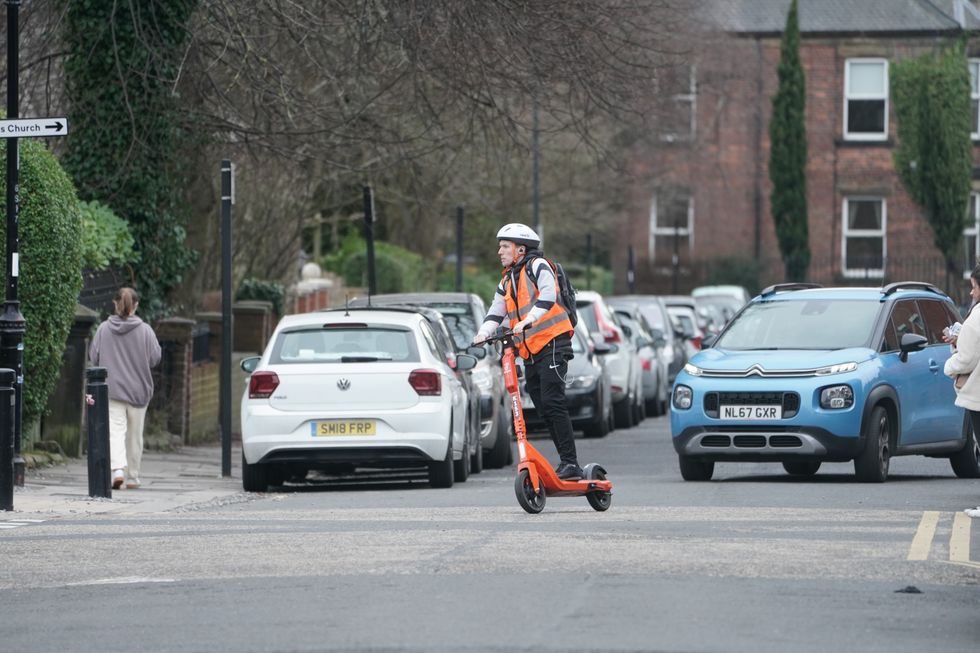
Injuries to blood vessels were also more than three times as common among e-scooter riders compared with motorcyclists, while internal organ injuries were around 50 per cent more likely.
Meanwhile, helmet use was found to be exceptionally low, with just 5.9 per cent of injured e-scooter riders in the trauma registry wearing a helmet,
Among rental users, fewer than one per cent wore a helmet, a stark contrast to the 75 per cent of motorcyclists.
Children and women were among those facing the greatest risks. Around one in six e-scooter injuries involved riders under 18, with brain injuries making up around 43 per cent of paediatric cases.
The report highlighted how e-scooters have surpassed motorbikes as being more dangerous on roads
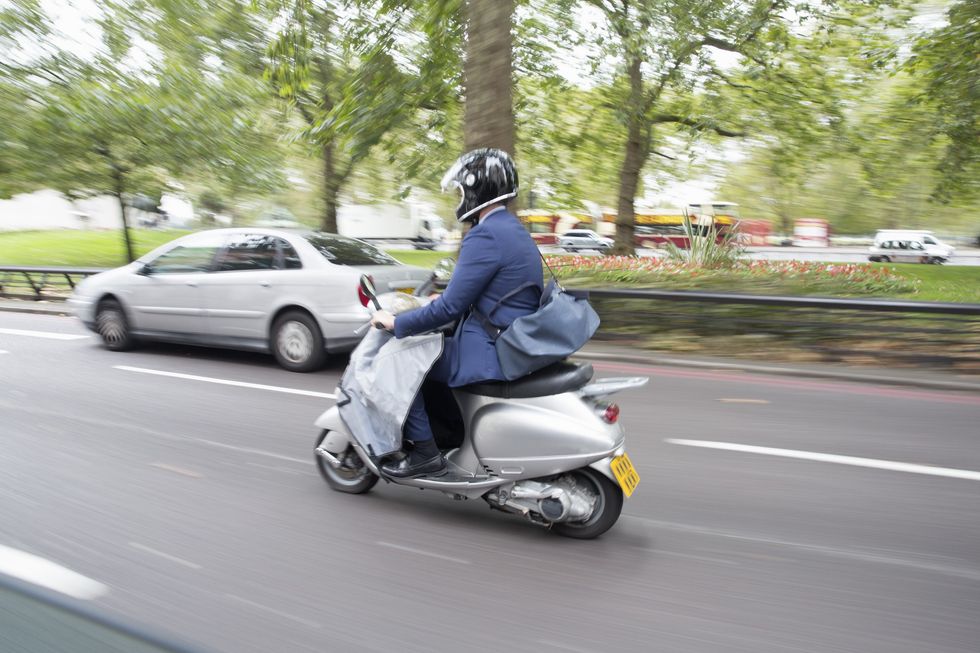
Women were more than twice as likely as men to suffer severe injuries, while female riders experienced around a third more collisions.
Researchers suggested the design of many e-scooters may contribute to the problem, with handlebars and weight distribution better suited to male body proportions.
Mr Bodansky said: "They've got very small wheels and it's very easy to jam one of those into a pothole. You'll then go head over heels over the front and land on your head."
Dr Petya Ventsislavova, a senior lecturer in transport psychology at Nottingham Trent University, explained that the figures highlighted the urgent need for comprehensive legislation governing private e-scooters.
The police can seize e-bikes and e-scooters which fail to meet UK standards

She added: "Unlike cars and motorcycles, e-scooters were introduced without any requirement for formal training, despite being motorised vehicles."
The study has now sparked calls for mandatory helmet laws, lower speed limits, geofencing restrictions, and more protected cycle lanes to reduce serious injuries.
A Department for Transport spokesperson said: "These are concerning findings, and our thoughts are with anyone who has been injured on our roads.
“Road safety is our top priority, which is why our e-scooter trials are testing their use in a controlled environment now, before updating the law to ensure they can be used safely more widely."