 By The Rio Times | Created at 2026-10-19 06:11:24 | Updated at 2026-10-19 07:44:38
2 hours ago

ECUADOR · ECONOMY
Key Facts
- —The country Ecuador is a South American economy that uses the US dollar, sells oil, shrimp, minerals and bananas abroad, and buys fuel, raw materials and capital goods.
- —Why it matters With no currency of its own, Ecuador’s trade balance shows how many dollars come in from abroad against those that go out, so a thinner surplus matters.
- —Why now The central bank’s press bulletin on the January to August trade figures is dated Friday 16 October 2026, and August alone brought a surplus of US$211 million, down from US$504.4 million in July.
- —What happened Ecuador’s goods trade surplus for January to August was US$3.054 billion, 32% lower than a year earlier, as imports rose 19% and exports rose 10%.
- —The numbers Exports were US$26.798 billion and imports US$23.744 billion; oil sales rose 26% to US$6.647 billion and fuel and lubricant imports rose 37% to US$6.211 billion.
- —What it means for you US investors and companies dealing with Ecuador see an economy that still earns more than it spends abroad, though by a thinner margin than a year ago.
- —Still open Whether the August slowdown continues, and whether the 37% jump in fuel imports reflects higher prices, larger volumes or both.
- —Power Index Ecuador ranks 8th of 14 in The Rio Times Latin America Power Index, with 38.2 points (October 2026 edition).
The Ecuador trade surplus fell 32% to US$3.054 billion in January to August 2026, the central bank said on Friday 16 October. Exports grew 10%, but imports grew 19%, so purchases abroad outran sales.
Ecuador uses the US dollar and has no currency of its own, so its trade balance shows how many dollars flow in against those that flow out. For US investors and companies dealing with Ecuador, a thinner surplus means a smaller net inflow even though exports are still growing.
The central bank’s press bulletin is dated Friday 16 October 2026, and Forbes Ecuador reported the same figures from central bank statistics on Thursday 15 October. Expreso, the Guayaquil daily, covered them on Sunday 18 October.
Expreso adds a local reading: domestic fuel output does not cover demand, so Ecuador must buy more fuel abroad despite higher prices. We reported the first-half balance in August in Ecuador Trade Surplus Hits Record as Ratings Improve.
Why the Ecuador Trade Surplus Shrank
The central bank’s own explanation is simple: purchases from abroad advanced faster than sales. Imports reached US$23.744 billion, up 19%, while exports reached US$26.798 billion, up 10%.
The gap between the two is the surplus of US$3.054 billion. Both the oil and non-oil balances shrank, by 38% and 31% respectively.
Subtracting July’s US$504.4 million and August’s US$211 million from the eight-month total leaves about US$2.34 billion for January to June. That is our own arithmetic, and it matches the first-half surplus of US$2.339 billion we reported in August.
Follow this story
Get an email when there’s news on Ecuador
Free. One email a day at most, and only when there is news. This also signs you up to our weekday newsletter, The LatAm Brief. Nothing arrives until you click the confirmation link, and you can stop either with one click. Privacy policy.
Oil Exports Rise on Price, Not Volume
Oil sales between January and August were US$6.647 billion, up 26% on a year earlier. The central bank attributes the gain mainly to a 26% rise in the price of Ecuadorian crude.
The volume exported fell 1%, so the extra revenue came from price rather than barrels. Ecuador sold slightly fewer barrels this year but earned more from each one.
Even so, the oil trade balance fell 38%, in a period when fuel imports grew faster than oil exports. Imports of fuels and lubricants rose 37% to US$6.211 billion, the steepest rise of any import group.
Shrimp, Mining and Bananas Lead Non-Oil Sales
Non-oil exports were US$20.151 billion, up 5%, which is about three quarters of all sales abroad on our arithmetic. Shrimp stayed the top earner with US$6.561 billion, up 18%.
Mining products brought in US$3.586 billion, up 42%, and China was the main destination for both shrimp and minerals. Bananas and plantains earned US$3.139 billion, up 9%, with Russia as the largest buyer.
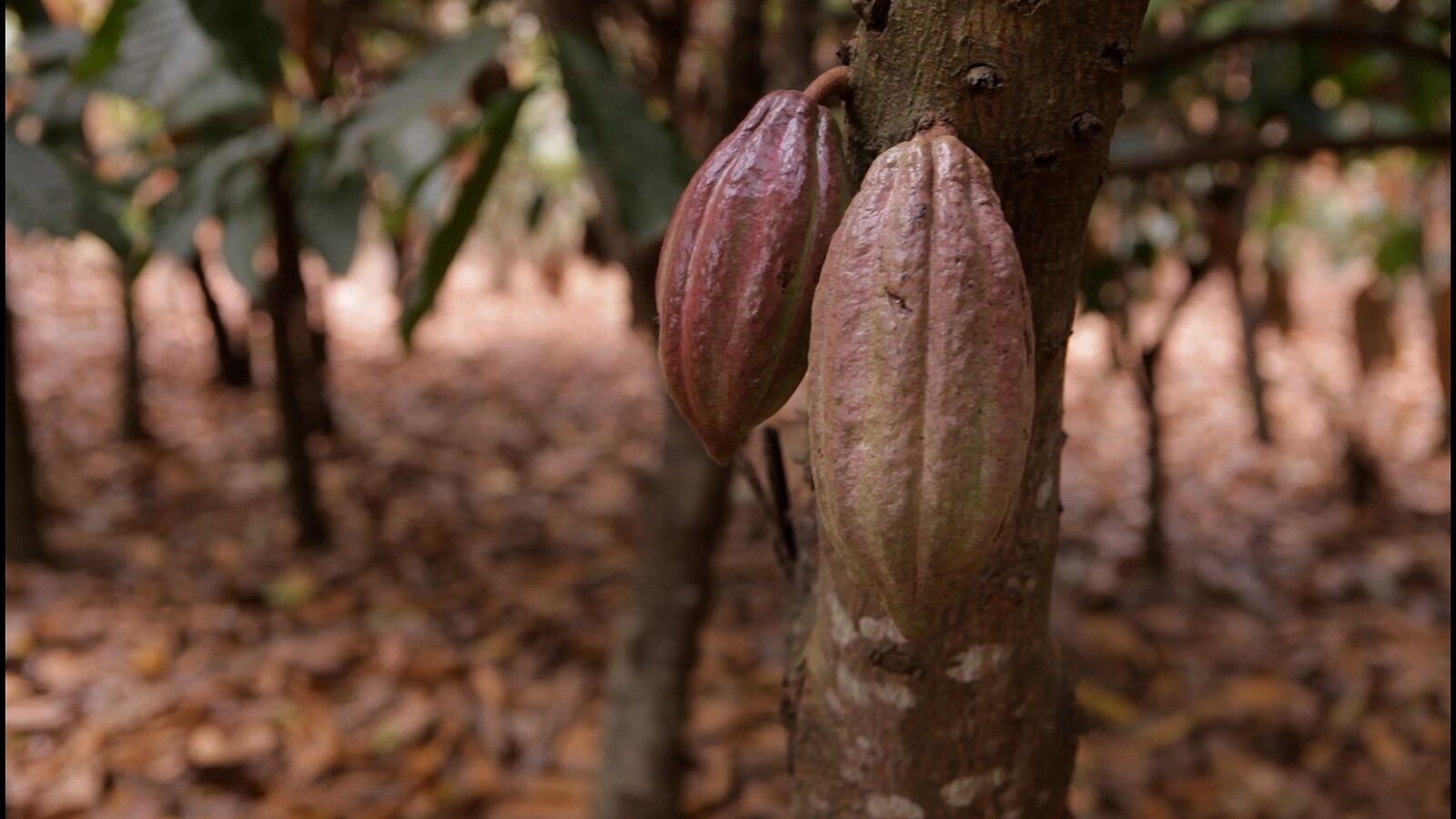
Forbes Ecuador, citing the central bank’s statistics, also listed further lines. Cocoa and its products fell 50.4% to US$1.485 billion, canned fish fell 5.5% to US$1.170 billion and flowers rose 3.9% to US$731 million.
Fedexpor, the exporters’ federation, put non-mining non-oil sales at US$16.530 billion, 0.4% lower than a year earlier. Outside minerals, then, non-oil exports were roughly flat.
Imports Grow Faster Than Exports
Imports rose 19% to US$23.744 billion, with raw materials the largest group at US$7.470 billion, up 13%. Fuels and lubricants followed at US$6.211 billion, up 37%.
China remained the main origin of Ecuador’s imports and its leading supplier of capital goods and consumer goods. The central bank’s bulletin does not give each country’s share.
Forbes Ecuador, citing the central bank, split imports into oil and non-oil lines. Oil-related imports were US$6.157 billion, up 38%, and non-oil imports were US$17.588 billion, up 14%.
August Brings a Smaller Monthly Surplus
August alone produced a surplus of US$211 million, made up of US$130 million in oil trade and US$81 million outside oil. That compares with US$504.4 million in July, a monthly fall of 58.2%.
August exports were US$3.509 billion, 6% below July but 14% above August 2025. Oil exports rose to US$923 million, up 15% on the month, while non-oil sales fell 11% to US$2.586 billion.
Imports in August were US$3.298 billion, up 3% on July and 32% on a year earlier. Oil imports were US$793 million, down 8% on the month, and non-oil imports were US$2.505 billion, up 6%.
Year on year, August imports grew far faster than exports, at 32% against 14%. That is the same pattern as the eight-month total, only sharper.
What It Means for You
For US readers, the main signal is that Ecuador still earns more from selling abroad than it spends, but the cushion is thinner than a year ago. Because the country uses the US dollar, that cushion is measured in the same currency Americans hold.
Suppliers selling fuel, machinery or raw materials into Ecuador see import demand growing at 19%, faster than Ecuadorian exports. Buyers of Ecuadorian shrimp, bananas and minerals see those lines still growing.
Our Ecuador Explained: The Country, the Security Crisis, the Economy and What to Watch guide sets out the economy and the security backdrop. Our Ecuador Inflation Hits 1.34% in September report covers living costs, which sit alongside a narrowing trade cushion.
What Is Not Known
The central bank’s bulletin says imports advanced faster than sales, but it does not say why fuel imports rose 37%. Expreso points to domestic fuel output falling short of demand, but how much of the rise came from prices and how much from volumes is not known.
The sources reviewed give percentage changes against 2025 but not the 2025 surplus in dollars. The 32% fall is therefore reported here as published, without a restated comparison.
It is not known whether the August slowdown will continue into September. The central bank says it publishes trade data with a maximum lag of 45 days, so the September figures should follow by around mid-November.
The product and import details attributed to Forbes Ecuador come from its reading of central bank statistics, and the central bank’s detailed trade portal was not opened for this article. The headline figures were matched between the central bank’s own bulletin, Expreso and Forbes Ecuador.
Frequently Asked Questions
What was Ecuador’s trade surplus from January to August 2026?
It was US$3.054 billion, 32% lower than in the same period of 2025. The central bank’s bulletin is dated Friday 16 October 2026.
Why did the surplus fall?
Imports rose 19% while exports rose 10%, so purchases abroad grew faster than sales. Fuels and lubricants imports rose 37%, the fastest of any import group.
What does Ecuador export most?
Oil exports were US$6.647 billion, and shrimp led non-oil sales with US$6.561 billion. Mining products earned US$3.586 billion and bananas and plantains US$3.139 billion.
What happened in August?
The August surplus was US$211 million, down from US$504.4 million in July. Exports were up 14% on a year earlier while imports were up 32%.
Why does the figure matter to US readers?
Ecuador uses the US dollar, so its trade balance shows how many dollars come in against those that go out. A thinner surplus means a smaller net inflow, though exports are still growing.
Sources: Central Bank of Ecuador press bulletin, 16 October 2026; Expreso, 18 October 2026; Forbes Ecuador, 15 October 2026; Central Bank of Ecuador, economic statistics.
Editorial responsibility: Matthias Camenzind, Editor-in-Chief · Editorial standards · Report an error
The Rio Times · Power Map
See who really holds power in Latin America
Click to open the Power Map →