 By GB News (World News) | Created at 2026-09-10 23:07:24 | Updated at 2026-10-04 20:53:04
3 weeks ago
By GB News (World News) | Created at 2026-09-10 23:07:24 | Updated at 2026-10-04 20:53:04
3 weeks ago
Delays to upgrading the UK power grid would add billions to household energy bills, the spending watchdog has warned.
Up to £70billion investment is needed over the next five years to improve the transmission network so it can accommodate the surge in green power, the National Audit Office said.
These charges are added to bills, with a typical household paying £44 a year towards network costs. This is expected to rise to £104 by 2031.
Energy regulator Ofgem estimates that these costs will be more than offset by savings by 2030 – but only if the grid expansion goes ahead as planned.

Critics have argued the enormous scale of the upgrade is only needed because of the Net Zero drive. Currently "clean power" make up 73 per cent of Great British electricity generation, and the Government has pledged to increase that to 95 per cent by the end of 2030.
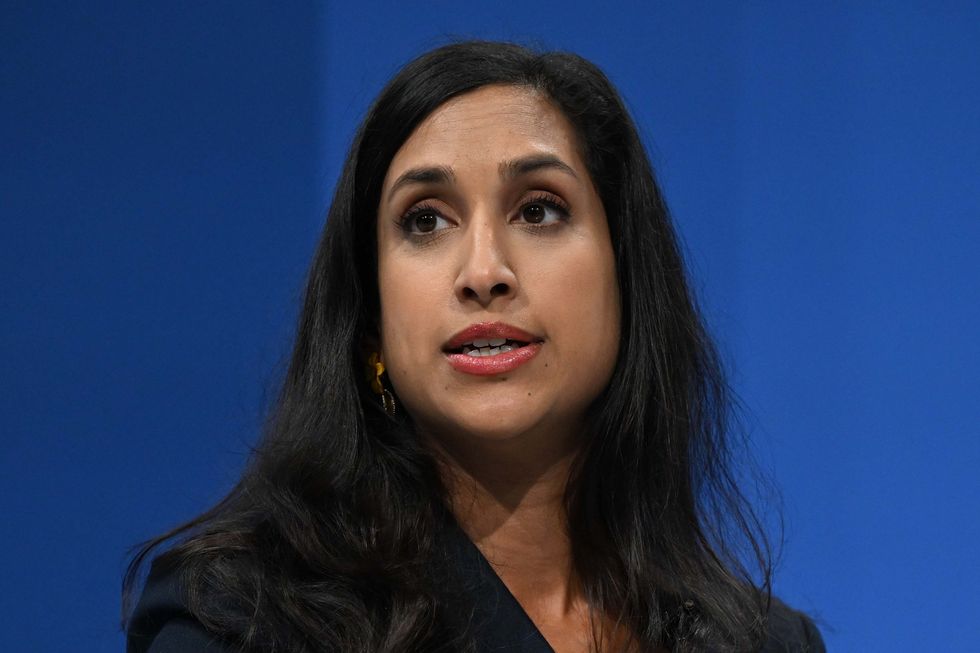
Claire Coutinho, the Shadow Business Secretary, has suggested billions could be saved in network costs by scaling this back. One industry leader called the grid expansion plans "a massive over investment in our electricity infrastructure that billpayers won’t be able to afford".
At present, renewable energy can be wasted if the network cannot handle the electricity. Balancing the grid can lead to remote wind generators being paid to shut down while nearer gas plants are paid to fire up.
This year, consumers face £1.9billion for these costs. The NAO believes this could rise to £7.8billion by 2030 if grid upgrades are not accelerated.
Ofgem forecasts that upgrading the grid successfully would cut £30 a year from bills by 2030. An expanded grid would also help meet an expected surge in demand, including from data centres.
Claire Coutinho has suggested that billions of pounds could be saved
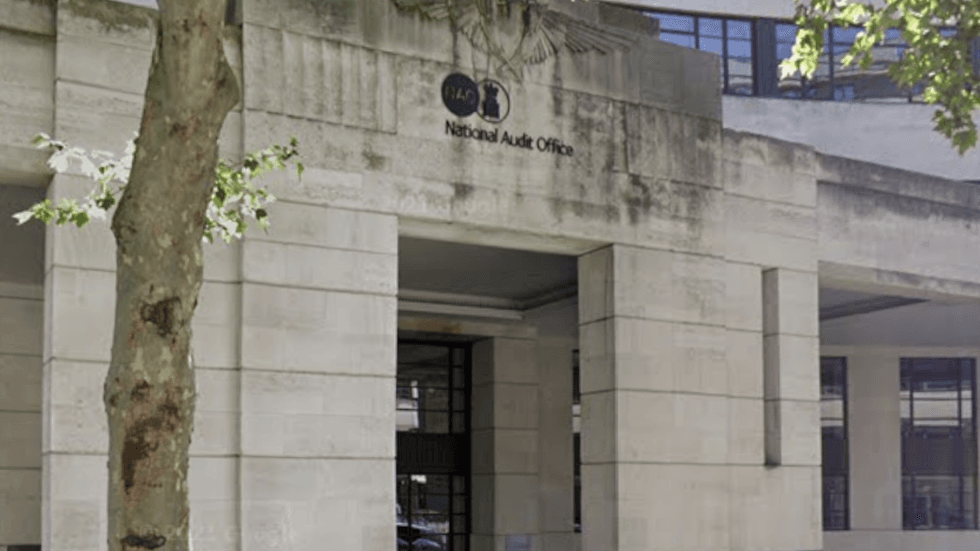
However, delivering all the upgrades by that date “will be very challenging”, with significant risks to planning, supply chain and system access risks, the NAO warned.
Many of the 80 grid upgrades needed for the clean power plan are at risk of not being completed when they should have been, it said. Neso, Ofgem and the Department for Energy Security and Net Zero (DESNZ) are working to speed up the delivery of grid upgrade projects, the report said.
Gareth Davies, head of the NAO, said: “While DESNZ, Ofgem and Neso have started to improve the way they work together, the planned upgrades of the electricity grid will test systems not designed for activity at this pace or scale.
"Value for money now depends on delivery. Failure to implement these necessary grid upgrades will hamper economic growth as well as increase consumer bills."
Responding to the report, Sir Geoffrey Clifton-Brown, chairman of the parliamentary Public Accounts Committee, said the grid had failed to keep pace with the shift to renewables and "is in dire need of upgrading to support the transition to clean energy".

Energy Minister Michael Shanks said: “This report is another stark reminder of the cost of years of historic underinvestment in the grid. As the National Audit Office recognises in its report, our once-in-a-generation reforms are finally building the infrastructure we need: reducing our dependence on the fossil fuels that leave households exposed to price spikes and helping lower people's bills for good."
An Ofgem spokesman added: "That's why we've introduced reforms to speed up critical infrastructure projects, unblock connection queues and strengthen incentives on network companies to deliver efficiently and on time. Protecting consumers and driving down costs remains our priority."
A spokesman for Neso said: "We welcome the NAO’s recognition that upgrading the grid is essential to reducing long-term costs for consumers and supporting a reliable electricity system.
"Consumers benefit when generation, networks and future demand are planned together as part of a coordinated whole-system approach."
However, James Earl, chief executive of Future Energy Networks (FEN), said the focus on electricity risked missing other opportunities. FEN represents the UK’s gas networks and Mr Earl claimed gas, including low carbon biomethane, or green gas, still had a role to play.
He said: "Today’s report clearly shows just how challenging rewiring the nation for Net Zero will be. The costs of delays are hitting billpayers today through constraints payments, such as payments to wind farms effectively to switch off, but the solution proposed is a massive over investment in our electricity infrastructure that billpayers won’t be able to afford.
"We think there is a better solution. We are ready to work with the Government on a whole-system approach. We already have a gas network ready to carry low carbon green gas, cutting our reliance on expensive fossil fuel imports and reducing the need to build out electricity infrastructure to meet peak demand."