By The Rio Times | Created at 2026-10-04 11:31:49 | Updated at 2026-10-04 12:17:55
1 hour ago
By The Rio Times | Created at 2026-10-04 11:31:49 | Updated at 2026-10-04 12:17:55
1 hour ago
ERITREA · COUNTRY GUIDE
Key Facts
- —What it is A Red Sea country with its capital at Asmara and a coastline from the Dahlak Archipelago to Djibouti.
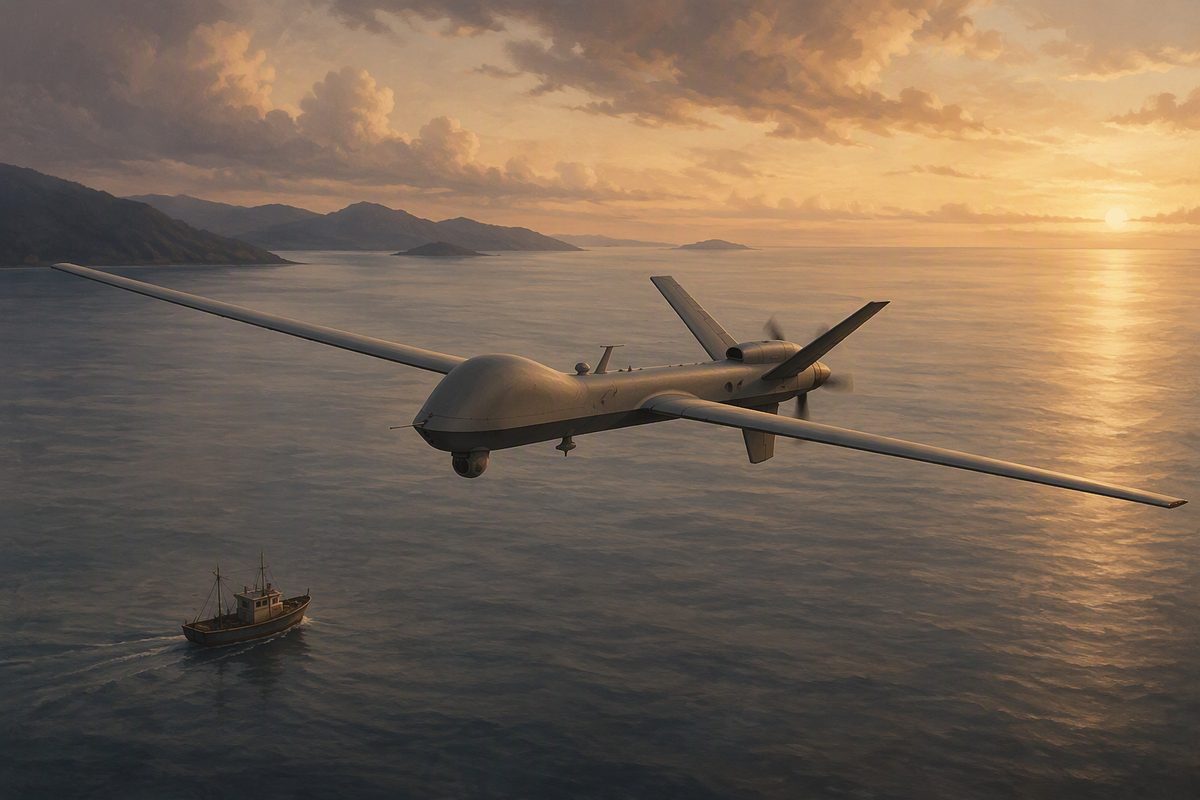
- —Why it matters Eritrea sits along shipping routes connecting the Suez Canal, the Red Sea, the Gulf of Aden and the Indian Ocean.
- —The numbers
- —The catch Eritrea is a one-party state led by President Isaias Afwerki since 1993, with no national parliamentary elections since independence and no independent media since 2001.
- —Who is who President Isaias Afwerki is head of state and government; Foreign Minister Osman Saleh Mohammed and Trade and Industry Minister Nesredin Mohammed Saleh were confirmed in official Eritrean reporting in September and October 2026.
- —What it means for you Foreigners need a tourist visa, must exchange currency through official Himbol offices or authorized banks, and require a travel permit to move outside Asmara.
Eritrea explained means understanding a small, tightly controlled Red Sea state that has never held a national election since independence. It is a country of strategic geography, limited official data, and a large diaspora shaped by open-ended national service.
For a foreigner, investor or curious reader, Eritrea is one of the least statistically transparent countries in Africa. This guide explains its geography, people, political system, economy, daily life and what to expect in 2026.
What Eritrea Is and How It Works
Eritrea is formally a republic, but in practice it is a highly centralized, one-party state. The People’s Front for Democracy and Justice, or PFDJ, is the only legally recognized political party. It developed from the liberation movement that governed Eritrea during the independence struggle.
President Isaias Afwerki has held power since independence on 24 May 1993. He was formally elected by the transitional National Assembly that year, but no competitive presidential election has taken place since. The Council of Ministers and ministries operate under strong presidential direction.
Eritrea adopted a constitution in 1997, but its implementation has been deferred. The National Assembly has not operated as a competitive elected parliament. The practical system is dominated by the presidency, the PFDJ and the security establishment.
Geography and Strategic Position
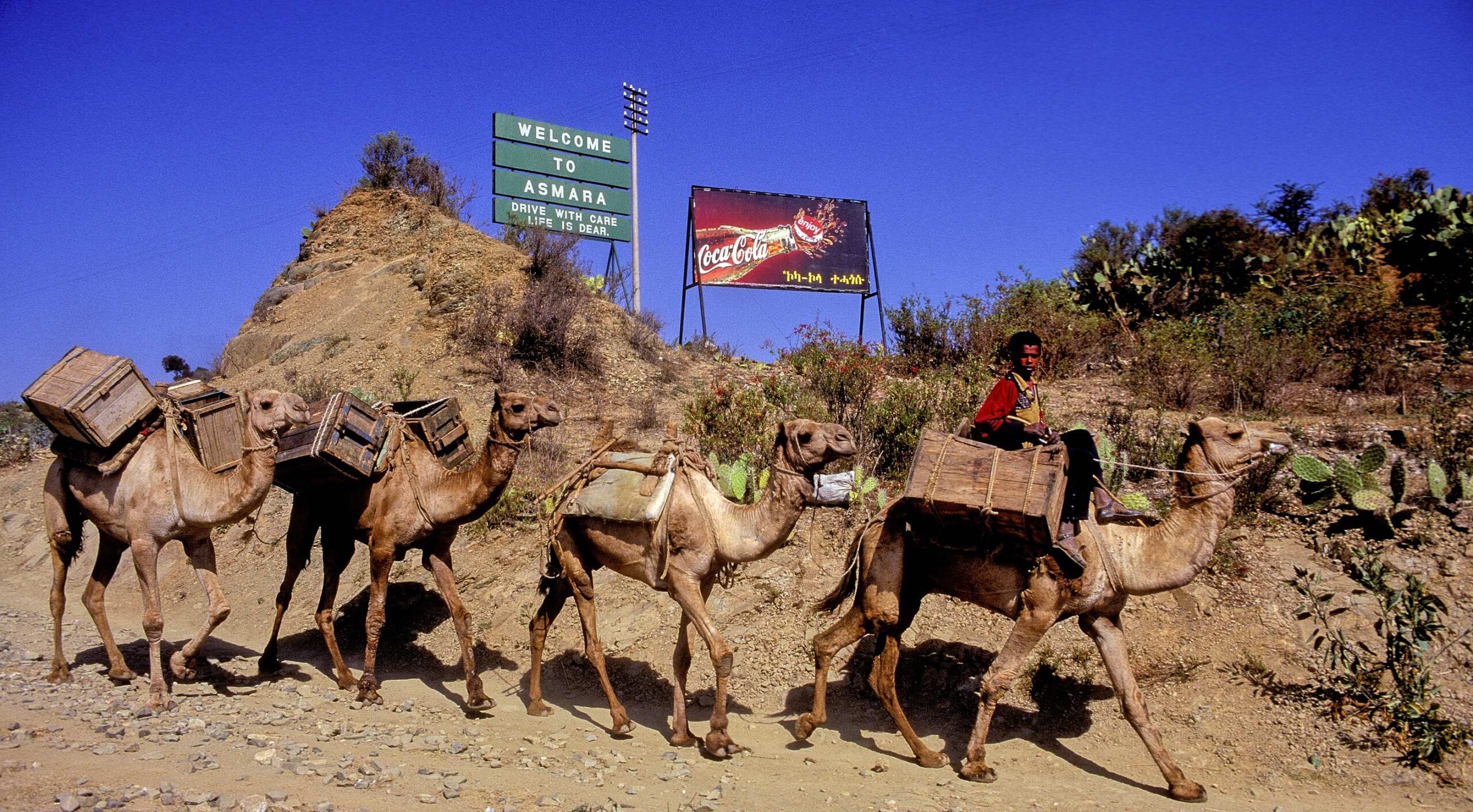
Eritrea occupies the southern Red Sea coast of northeast Africa. It borders Sudan to the west, Ethiopia to the south, Djibouti to the southeast and the Red Sea to the east. Its territory includes the Dahlak Archipelago, a group of islands that gives the country a strategically important maritime position.
The country has several broad geographic zones. The central highlands, including Asmara, are cooler and more densely settled. The western lowlands are hotter and contain important agricultural and pastoral areas. The eastern escarpment and coastal plain descend sharply toward the Red Sea. The Danakil region in the southeast is among the hottest and driest environments on Earth.
Its highland climate, Italian colonial architecture and modernist urban heritage distinguish it from the hotter coastal cities of Massawa and Assab. Eritrea’s government has promoted marine conservation, coral-reef restoration, mangrove protection and a “blue economy” strategy in official statements.
People, Languages and Religion
Eritrea is culturally diverse. The principal ethnolinguistic communities are generally identified as Tigrinya-speaking highlanders, Tigre-speaking communities, Afar, Saho, Bilen, Hedareb, Kunama, Nara and Rashaida. No single language is constitutionally designated as the country’s sole official language.
In practice, Tigrinya, Arabic and English function as the principal working languages of government, education and public administration. Tigrinya is dominant in Asmara and much of the central highlands. Arabic has historical, religious and regional importance, especially among Muslim communities and in coastal areas. English is particularly important in secondary education, higher education and international communication.
Religious affiliation is broadly divided between Christianity and Islam. The Eritrean Orthodox Tewahedo Church is especially influential among Tigrinya-speaking highlanders. Sunni Islam is prominent among many Tigre, Afar, Saho, Rashaida and other communities. Religious institutions operate under state regulation.
The Political System in 2026
As of 4 October 2026, Eritrea’s head of state and government is President Isaias Afwerki. Official Eritrean reporting from 3 October 2026 describes him holding talks with Egyptian President Abdel Fattah el-Sisi. Trade and Industry Minister Nesredin Mohammed Saleh participated in the Alamein Business Forum on 3 October 2026.
Current official reporting confirms Osman Saleh as foreign minister and Nesredin Mohammed Saleh as trade and industry minister; broader cabinet details require separate current official verification. It includes Defence Minister General Filipos Woldeyohannes, Energy and Mines Minister Alem Kibreab, Finance and National Development Minister Giorgis Teklemichael, Health Minister Amina Nurhussein, Information Minister Yemane Gebremeskel, Justice Minister Fawzia Hashim, and Agriculture Minister Arefaine Berhe, among others.
The judiciary lacks the institutional independence associated with liberal constitutional systems. Special courts and security bodies have operated outside ordinary judicial procedures. Independent media were closed in 2001, and journalists and political critics have been detained without transparent judicial proceedings according to international assessments.
The Economy: State-Dominated and Data-Poor
Eritrea has a small, state-dominated economy with severe data limitations. The main productive sectors are agriculture, mining, fisheries, trade and services. Reliable current GDP figures are unavailable. One World Bank-derived series reports GDP of approximately US$2.07 billion in 2011, or about US$689 per person in that year.
Agriculture remains central to livelihoods, especially outside the highlands and major cities. Production depends heavily on rainfall, making the country vulnerable to drought, climate variability and food insecurity. Common products include sorghum, millet, wheat, barley, pulses, livestock, fishing and small-scale horticulture.
Mining is one of Eritrea’s most important sources of foreign exchange. The country has deposits of gold, copper, zinc and potash. Mining revenues have been associated particularly with the Bisha mine in the western lowlands. The sector is strategically significant because it provides export earnings in an economy with limited manufacturing and constrained formal trade.
The state, the PFDJ and military-linked enterprises play a dominant role in import-export activity, construction, transport, finance and other strategic sectors. The Hdri Trust Fund, associated with the ruling party, controls or influences numerous state enterprises. Independent assessments report that these enterprises are not subject to normal external financial monitoring.
Currency, Debt and Remittances
The national currency is the nakfa, abbreviated ERN. The government has maintained an official exchange rate of approximately ERN 15 to US$1 in recent years, according to the BTI 2026 country assessment. The official rate does not necessarily represent the currency’s real purchasing power. Foreign currency is difficult to obtain through formal channels.
Eritrea has not routinely published a conventional national budget since independence, according to the BTI assessment. Public debt is considered very high: the African Development Bank estimates cited by BTI put debt at approximately 164% of GDP in 2022, following 175.6% in 2021. These figures should be read cautiously because Eritrea’s national accounts and fiscal reporting are incomplete.
Remittances from Eritreans abroad are economically important. The BTI 2026 assessment says diaspora remittances amount to more than one-third of the national budget. For families, remittances can help pay for food, housing, medical care, education and migration-related expenses.
Society and Daily Life
National service is one of the defining features of life in Eritrea. The legal framework envisages a limited period of national service, but in practice many people remain in open-ended military or civilian service for years. This affects career planning, family formation, household income, education choices, migration decisions and the availability of skilled labour in the private economy.
The system is also a major reason for Eritrea’s large diaspora and high levels of irregular migration. Government supporters present national service as essential to national defence and development. Critics describe its indefinite nature as a central human-rights problem.
Formal employment is concentrated in government, the military, state-linked enterprises, mining, education, health care, transport and small commerce. Salaries in many public-sector roles are low relative to living costs. Informal activity is important, especially in retail trade, food preparation, transport, repair services and agriculture.
What Eritrea Means for Foreigners and Investors
Foreigners need a tourist visa to enter Eritrea. The visa fee depends on the visa category. Processing takes at least 15 business days, and the visa must be used within three months of issue. The typical stay is one month after arrival.
Travel outside Asmara requires a travel permit handled by the Ministry of Tourism. Business-travel permits are handled by the Ministry of Trade and Industry. Diplomatic and NGO-related permits are handled by the Ministry of Foreign Affairs. Foreign currency exchange must be conducted through official Himbol exchange offices, authorized banks, or specified hotels. Credit cards and ATMs are generally unavailable; Eritrea operates as a cash-based economy.
For investors, the picture is constrained. Private businesses operate, but licensing, foreign-exchange restrictions, import controls and access to credit sharply limit their room to grow. The government also restricts the movement of capital and foreign currency. Public financial reporting is limited, making it difficult to assess the full contribution of sectors such as mining to government finances.
Foreign Policy and What to Watch
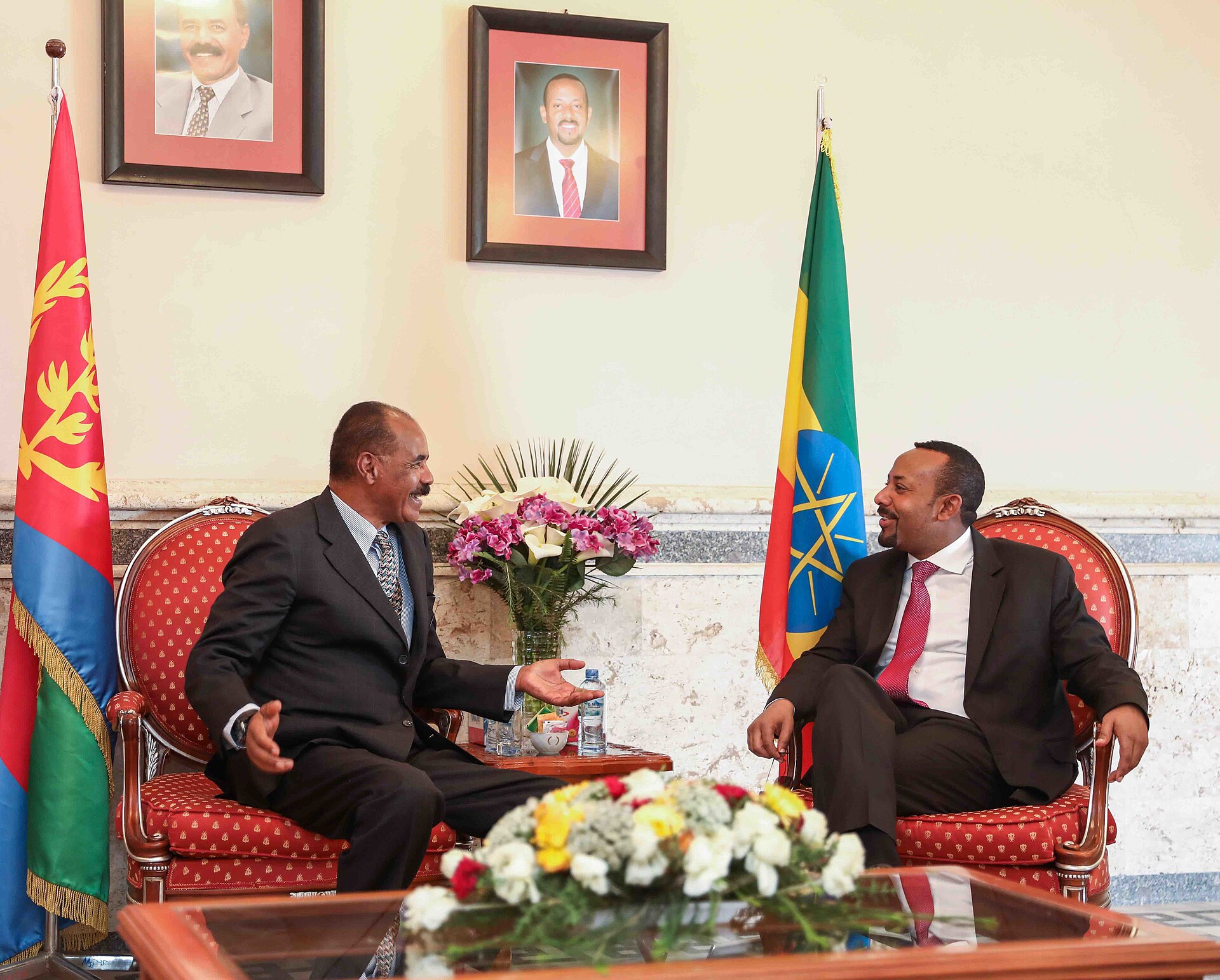
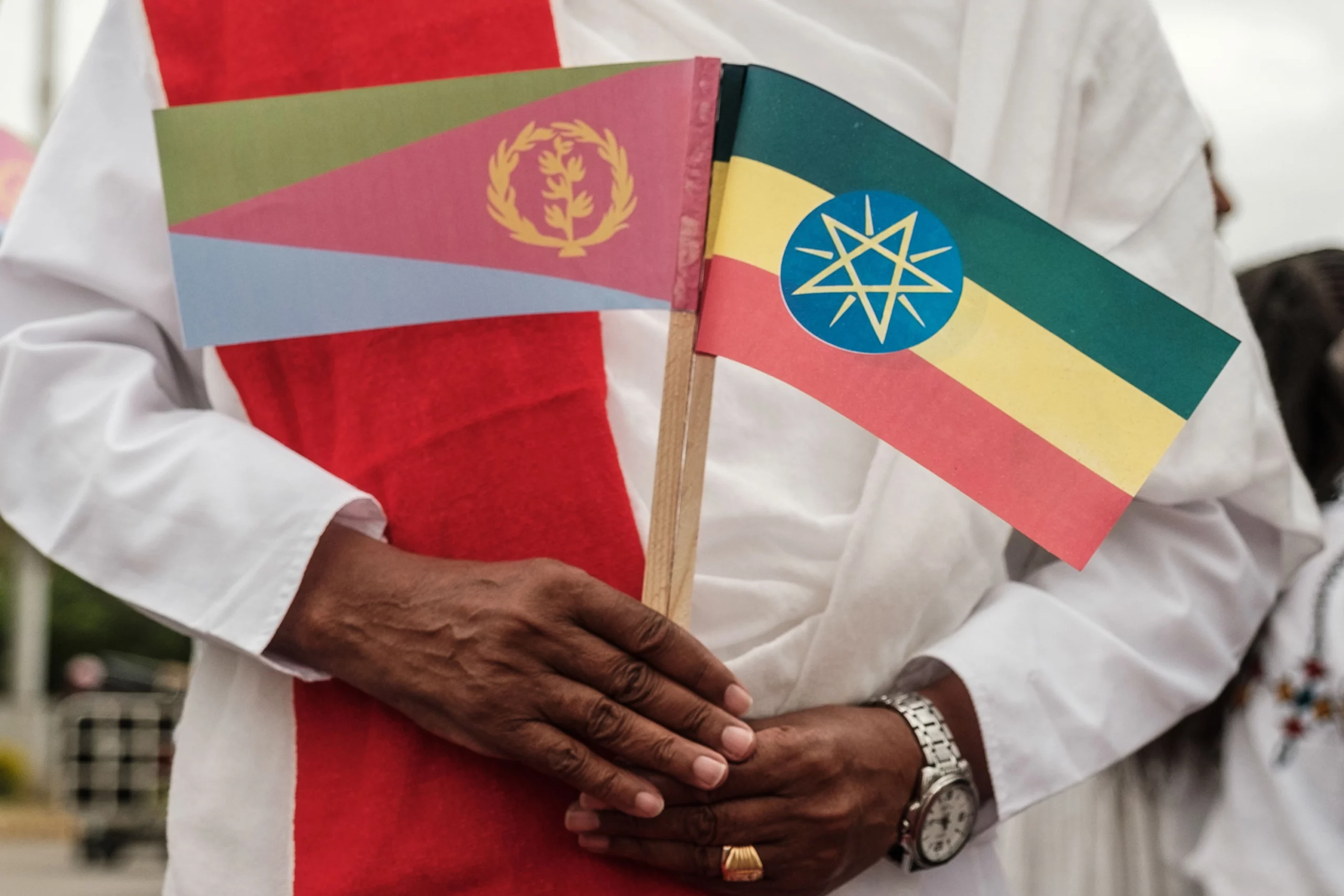
Relations with Ethiopia remain the central issue in Eritrea’s modern foreign policy. The countries fought a major border war from 1998 to 2000. A peace declaration in 2018 ended the formal state of war, but relations later deteriorated. By early 2025, no bilateral trade agreement had been established, and relations between President Isaias Afwerki and Ethiopian Prime Minister Abiy Ahmed had cooled significantly.
Eritrea also maintains relationships with Arab Gulf states and other regional actors. Its ports and Red Sea coastline have attracted strategic interest, although infrastructure, sanctions history, political risk and limited commercial transparency constrain investment.
The open questions for the coming years are whether competitive national elections will ever be scheduled, whether the indefinite national service system will be reformed, and whether the government will publish more transparent economic data.
Related reading: DR Congo Neighbours Explained, Central Africa in 2026; Ivory Coast Explained 2026, a Newcomer Guide; Kenya Continent Role, Weight and Alliances Explained; more from Africa.
Frequently Asked Questions
Is Eritrea safe for tourists?
Eritrea is generally stable in terms of violent crime, but movement is tightly controlled. Foreigners need a travel permit to leave Asmara, and the government restricts independent travel outside the capital.
How much does an Eritrean visa cost?
The visa fee depends on the visa category. Processing takes at least 15 business days.
What currency does Eritrea use?
Eritrea uses the nakfa, abbreviated ERN. The official exchange rate is approximately ERN 15 to US$1, according to the BTI 2026 country assessment.
Who is the president of Eritrea in 2026?
Isaias Afwerki is the president of Eritrea and has held power since independence on 24 May 1993. Official Eritrean reporting from 3 October 2026 confirms he remains in office.
Why do so many Eritreans leave the country?
Open-ended national service is a major reason for Eritrea’s large diaspora and high levels of irregular migration. Many people remain in military or civilian service for years, affecting career, family and education choices.
Can foreigners use credit cards in Eritrea?
Credit cards and ATMs are generally unavailable. Eritrea operates as a cash-based economy, and foreign currency must be exchanged through official Himbol exchange offices, authorized banks, or specified hotels.