By The Rio Times | Created at 2026-10-16 14:11:12 | Updated at 2026-10-16 15:02:50
1 hour ago
By The Rio Times | Created at 2026-10-16 14:11:12 | Updated at 2026-10-16 15:02:50
1 hour ago

One-stop reference
Company Intelligence
Every listed company in Latin America — financials, ownership and structure for 1,450+ companies across 26 exchanges, in one place.
ETHIOPIA · EXPLAINER
Key Facts
- —The country Ethiopia is Africa’s second most populous country, a federal republic in the Horn of Africa whose capital, Addis Ababa, hosts the African Union.
- —What happened On Thursday 8 October parliament unanimously approved Prime Minister Abiy Ahmed’s 22 ministers and a deputy prime minister.
- —The legal base The constitution makes the prime minister and the Council of Ministers the highest executive power, answerable to the lower house.
- —The money posts Finance writes the federal budget and negotiates loans, while the separate revenue ministry handles tax and customs enforcement.
- —The change On 7 October parliament took up a draft law that renames the planning ministry and keeps the total at 22.
- —What it means for you Investors deal with finance, revenue, trade, mining and the foreign ministry, and finance and trade have new ministers.
- —Still open Which duties the 7 October draft law moves between ministries is still open.
The Ethiopia new cabinet won parliament’s approval on Thursday 8 October, with 22 ministers and a deputy prime minister for Prime Minister Abiy Ahmed. Our report on the vote covered who was named, and this explainer covers what those ministers can actually decide.
For investors, the answer sits in a handful of posts: finance, revenue, trade, mining and foreign affairs. The Ethiopia new cabinet also brings three ministry changes: one renamed, one new and one re-established.
How the Ethiopia New Cabinet Gets Its Powers
Ethiopia’s 1994 constitution vests the highest executive powers in the prime minister and the Council of Ministers, the body of all cabinet ministers. Both are responsible to the House of Peoples’ Representatives, the directly elected lower house of parliament.
Article 77 lets the Council of Ministers decide the structure of ministries, draft the annual federal budget and run financial and monetary policy. It also covers foreign policy, law and order, and a state of emergency, which parliament must approve.
Follow this story
Get an email when there’s news on Ethiopia
Free. One email a day at most, and only when there is news. This also signs you up to our weekday newsletter, Africa Intelligence. Nothing arrives until you click the confirmation link, and you can stop either with one click. Privacy policy.
What the Prime Minister Can Do Alone
Article 74 makes the prime minister chief executive, chair of the cabinet and commander in chief of the armed forces. He proposes ministers to the House for approval, which is the step parliament completed on 8 October.
The prime minister also nominates the Supreme Court president and the auditor general for parliament’s approval. He also supervises the federal administration and appoints senior civilian officials.
What Finance and Revenue Control
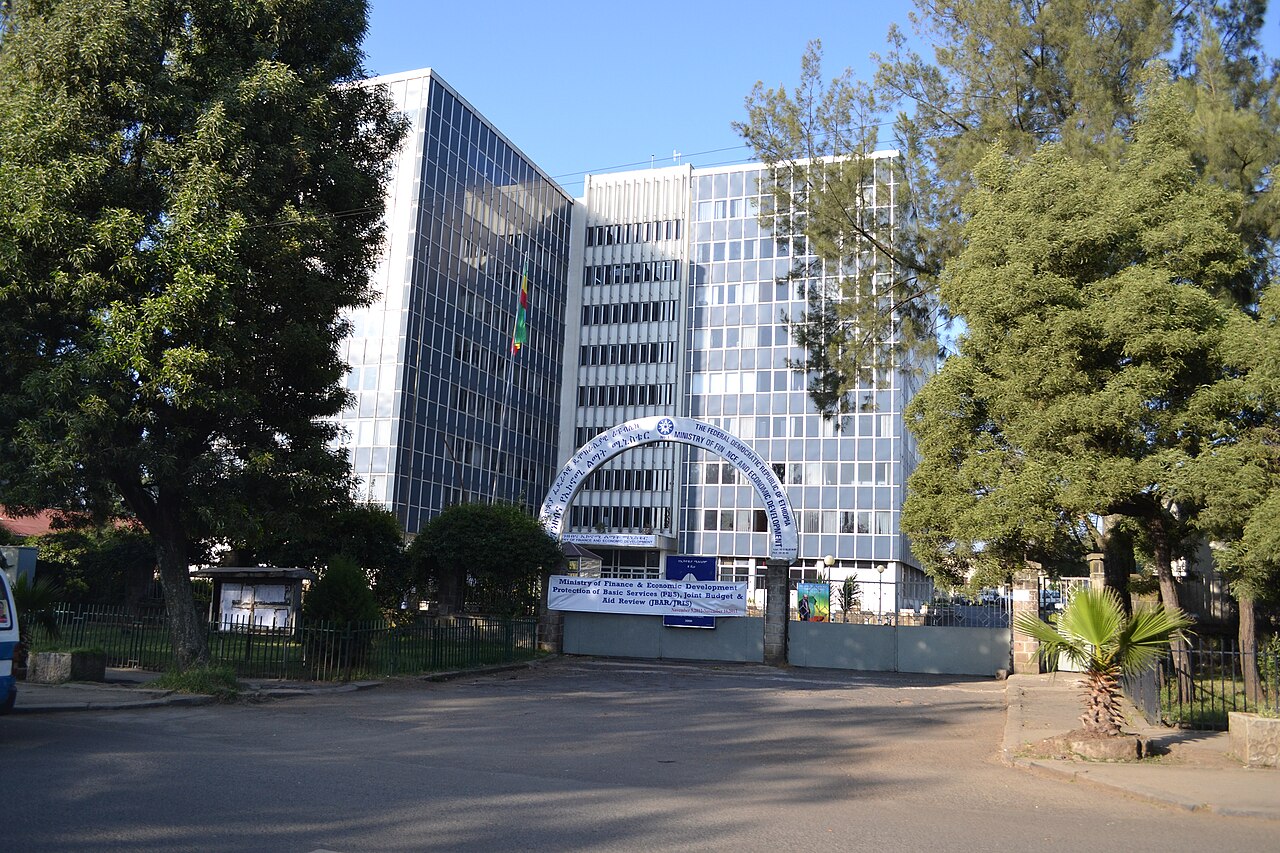
Under Ethiopia’s 2021 law on executive organs, the finance ministry prepares the federal budget and signs foreign loans and aid agreements. It also holds the government’s shares and financial assets and prepares state firms for privatisation.
Fitsum Assefa now leads finance after eight years running the planning ministry, according to Dawan Africa, a Horn of Africa news site. The revenue ministry, led by Aynalem Niguse, studies tax collection, polices customs and tax exemptions for investors and inspects taxpayers’ records.
Trade, Mining and Foreign Affairs
The same 2021 law makes the trade and regional integration ministry responsible for trade agreements, export support, business licences and import quality. Yasmin Wohabrebbi, a new minister, now runs it.
In the Ethiopia new cabinet, the mining ministry issues exploration and production licences to domestic and foreign investors in minerals, petroleum and natural gas. Alemtsahay Paulos leads it, while Gedion Timothewos starts a second term at the foreign ministry, which negotiates treaties and issues visas.
What Changed on 7 and 8 October
On Wednesday 7 October the House held an extraordinary session on a draft law on the names and duties of federal bodies, Capital Ethiopia reported. Government representative Fikadu Tessema told lawmakers the number of ministries stays at 22.
Capital said planning becomes the Ministry of National Strategy, while Addis Standard reported new Youth and Sport and Culture and Tourism ministries. Fitsum told the House the changes aim to improve coordination and policy delivery.
Who Is New and Who Stayed
Seven ministers kept their posts and ten are new to the Ethiopia new cabinet, Dawan Africa reported. New faces include Musa Adem at peace, chairman of the Afar People’s Party, and Sadat Nesha, a former deputy president of Oromia region, at logistics.
Frehiwot Tamiru, who ran the state telecom operator Ethio Telecom from 2018 to 2023, now leads innovation and technology, Addis Standard reported. Our list of ministers in Ethiopia 2026 shows every portfolio holder.
What It Means for US Readers
US companies investing in Ethiopia deal mostly with the finance, revenue, trade and mining ministries, and finance and trade have new ministers. A change at the top of finance matters most for lenders, because that ministry signs loan agreements.
The constitution gives the Ethiopia new cabinet wide powers, but the prime minister decides who sits in it and how it works. Investors should therefore read ministerial signals as the prime minister’s policy rather than as separate ministry policy.
What Is Not Known
The full text of the 7 October draft law is not yet public, so which duties move between ministries is open. Whether the House has passed it in final form is also open.
The exact vote tally is open, as only unanimous approval was reported. It is also open whether the finance ministry’s debt negotiating team will change under Fitsum.
More: Ethiopia news in English, every day from The Rio Times.
Frequently Asked Questions
What powers does the Ethiopia new cabinet have?
Under Article 77 of the constitution, the Council of Ministers drafts the federal budget, runs financial and foreign policy and decides the structure of ministries. It answers to the House of Peoples’ Representatives, the lower house.
How many ministers are in the Ethiopia new cabinet?
Parliament approved 22 ministers and a deputy prime minister on Thursday 8 October. Addis Standard described this as a 23-member line-up.
Who is Ethiopia’s finance minister now?
Fitsum Assefa, who led the Ministry of Planning and Development for eight years. She replaces Ahmed Shide, who became speaker of the House.
Which ministries changed names?
The planning ministry becomes the Ministry of National Strategy, according to Capital Ethiopia. Addis Standard also reported a new Ministry of Youth and Sport and a re-established Ministry of Culture and Tourism.
Sources: Addis Standard via AllAfrica, Ethiopia’s Parliament Unanimously Approves PM Abiy’s Cabinet Nominees, 9 October 2026; Capital Ethiopia, Wednesday October 7 2026, 7 October 2026; Capital Ethiopia, Thursday October 8 2026, 8 October 2026; Dawan Africa, Ethiopia parliament approves 22-minister cabinet under Abiy, 8 October 2026; Constitution of Ethiopia 1994, Articles 72, 74 and 77, 1994; Proclamation No. 1263/2021 on the powers and duties of executive organs, 2021.
This article was produced by The Rio Times’ automated newsroom system. How we use AI · Report an error · Editorial responsibility: Matthias Camenzind, Editor-in-Chief
LatAm Markets: Live Signals → — real-time movers, turnover leaders and FX across Latin America.