By The Rio Times | Created at 2026-09-29 11:06:57 | Updated at 2026-09-29 13:08:36
2 hours ago
By The Rio Times | Created at 2026-09-29 11:06:57 | Updated at 2026-09-29 13:08:36
2 hours ago
CHILE · JUSTICE
Key Facts
- —The country In Chile, town halls run public primary clinics and may hire private firms for scans they cannot do.
- —Why it matters Prosecutors say the private Novakimen clinic gave 1,439 women false breast-scan reports from 2022, some with forged signatures.
- —What happened On Monday 28 September owner Roberto Ruiz accepted a fast-track deal, similar to a plea bargain, to avoid trial.
- —The deal Prosecutors offered five years and one day in prison, BioBioChile reported; in June they had sought 16 years.
- —What it means for you Patients of Chile’s public clinics can ask which provider did their scan and who signed the report.
- —Still open The judge’s ruling on the deal, a doctor’s trial, another doctor’s US extradition, and whether any cancer was missed.
A clinic owner in southern Chile accused over fake breast scans for low-income women took a fast-track deal on Monday 28 September. Prosecutors offered Roberto Ruiz five years and one day in prison in place of a full trial, the Concepción-based BioBioChile reported.
Free daily brief — no card needed
Get every Chile story in one morning email
We build you a personalized brief around the topics you follow — free for 7 days. Love it? Your first month after that is US$1.
Yes, email me my free daily brief — I can unsubscribe any time.
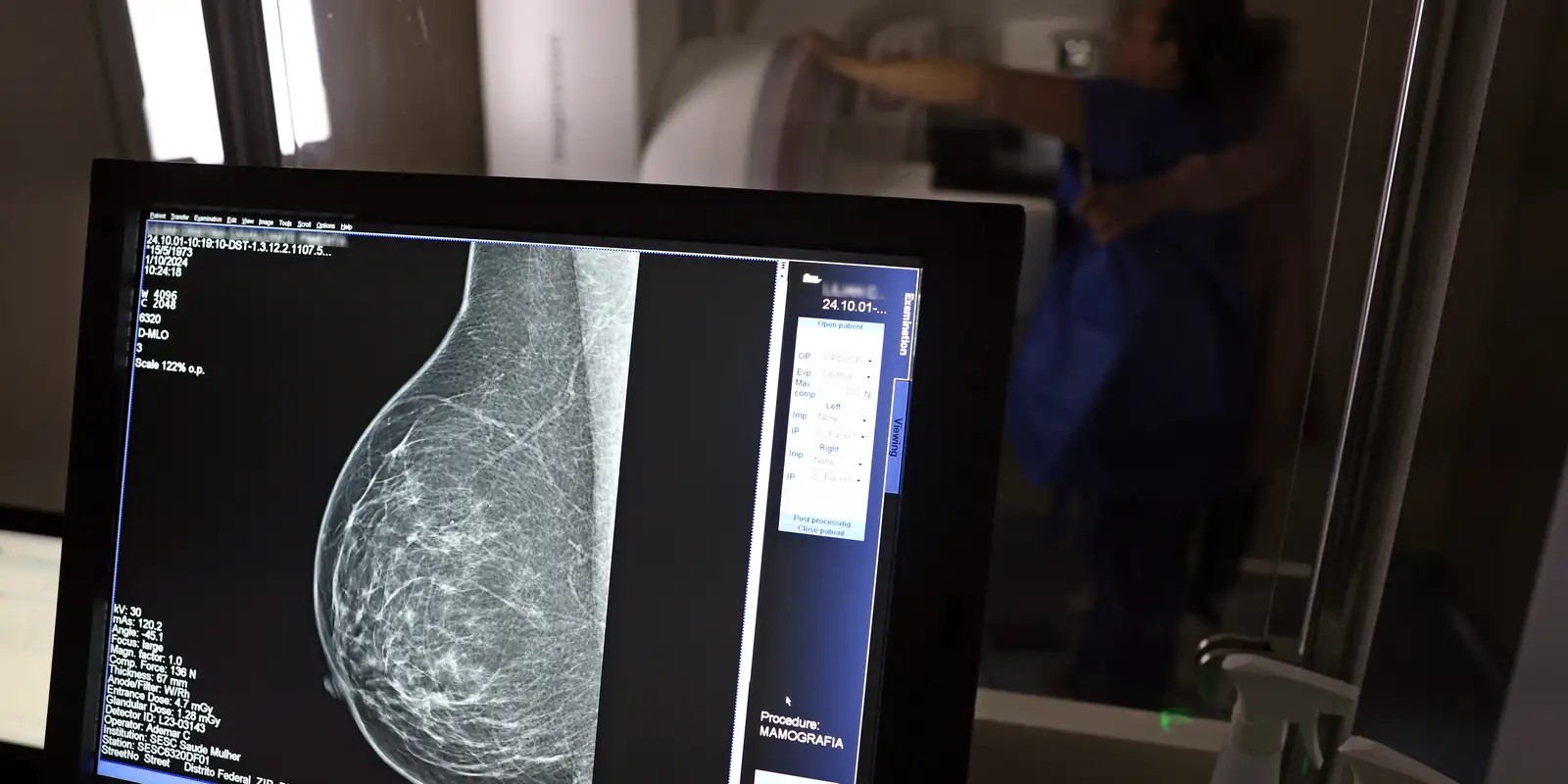
His clinic, Novakimen, did breast ultrasounds and mammograms for town-run clinics in the Biobío region from 2022. Prosecutors say 1,439 women received reports that were false, some signed in the names of doctors who did not work there.
One-stop reference
Company Intelligence
Every listed company in Latin America — financials, ownership and structure for 1,450+ companies across 26 exchanges, in one place.
What the clinic was paid to do
After the pandemic, several town halls in the Biobío region decided to outsource mammograms and breast ultrasounds, T13 reported. Novakimen won tenders with eight town halls and two regional health services, prosecutor María José Aguayo told a court in October 2025.
The contracts covered women who rely on public primary care, she said. Breast ultrasound and mammography are the standard tools for finding breast cancer early.
Aguayo said San Pedro de la Paz alone awarded it a 1,400-exam tender worth almost 17 million pesos (about US$17,700). That is less than US$13 per exam, at 961.5 pesos to the dollar on 29 September.
Aguayo, an anti-corruption prosecutor, said the clinic won that tender by falsely claiming it had specialists for the exams. The bid named a radiologist, Felipe Sepúlveda, who later said he did not work for Novakimen, Resumen.cl reported.
How the fraud came to light
In San Pedro de la Paz, gynaecology staff grew uneasy as the suspected breast cancer rate nearly tripled from 2021 to 2022. The figure comes from the town hall’s criminal complaint, as quoted by Resumen.cl, a Concepción news site.
In December 2022, two doctors named on the reports told the town’s contract inspector they did not work for the clinic. The complaint also lists at least 15 reports with the wrong patient identity, and one naming the wrong breast.
In Talcahuano, a nearby port city, midwife María Paz Reyes noticed that scan descriptions did not match their conclusions. “The description was not consistent with the diagnostic conclusion,” she told T13.
She called Augusto Veloso, the radiologist whose signature was on the reports. He told her he had never worked with Talcahuano’s town hall, T13 reported.
San Pedro de la Paz filed a criminal complaint in January 2023, and Concepción also went to the courts. The regional health authority inspected the company and closed two of its sites, the town’s legal director, Alejandra Donoso, told Meganoticias.
What it meant for the women
Some of the fake breast scans gave false cancer diagnoses, T13 reported in August 2024. SoyChile, a regional news network, reported in June 2024 that they were also accused of wrong pregnancy diagnoses.
In January 2023, Meganoticias reported that more than 700 breast ultrasounds in San Pedro de la Paz had to be repeated. A relative of one woman said her repeat test at another clinic came out “totally different”.
Javier Guiñez, the town’s mayor at the time, said the case “plays with people’s dignity” and asked for severe punishment. By August 2024 prosecutors had interviewed more than 200 women told to repeat their exams, T13 reported.
T13 said then that some 1,000 more women had not yet been reached. How many were contacted later, and whether any real cancer was missed, has not been reported.
The charges and the fast-track deal
Prosecutors charged three people: Ruiz, a nurse who owned the clinic, and two Venezuelan doctors, Carmen Martínez and Audie Ferreira. The charges include fraudulently obtaining public funds, identity theft and malicious use of a false public document.
In June 2026 prosecutors sought 16 years in prison for Ruiz and six years for Martínez, citing repeated offences, BioBioChile reported. Both had been held in pre-trial detention since June 2024.
Chile’s “abbreviated procedure” works much like a plea deal: the accused accepts the facts in return for a lighter sentence. A judge then rules without a full trial.
Ruiz gave a statement in court that began with an apology for what he called “inappropriate conduct”, which he blamed on others. In return, Aguayo offered five years and one day of actual prison time, BioBioChile and its sister channel, Canal 9, reported.
His lawyer, Josefa Ainardi, confirmed the offer and said her client weighed it against the 16 years he risked at trial. The terms could not be independently confirmed.
The doctor who chose to fight
Martínez rejected the offer and will go to trial to prove her innocence, her lawyer, Pedro Orthusteguy, told BioBioChile. Accepting “would be much easier for her” and might even free her, he said, “but she has chosen the harder path”.
Her sister, María Eugenia Martínez, called the case “a serious error” by the Public Ministry, Chile’s prosecution service. In June, Martínez’s defence asked for internal inquiries into two Biobío prosecutors, including Aguayo, BioBioChile reported.
Ferreira, the third accused, left Chile before the charges were filed and was charged in his absence. Chilean courts have approved a request for his extradition from the United States, and a US decision is pending, Aguayo said.
A system built on trusted paperwork
Town halls bought the scans through tenders on Mercado Público, the state procurement portal, Resumen.cl reported. In San Pedro de la Paz, the bid included a radiologist’s CV and a document from Fonasa, the public health insurer.
Problems surfaced only when clinic staff compared results with past years and contacted the doctors named on the reports. Until then, the documents in the bid had been enough to win the contracts.
Chile’s health regulator, the Superintendency of Health, keeps a public online register of all health professionals legally allowed to practise. Anyone can search it to see whether a doctor named on a report is registered.
That check has limits, because the forged reports in this case carried the names of real doctors. How common forged scan reports are in Chile is not known.
What comes next
A judge in Concepción was due to rule on Ruiz’s deal on Tuesday 29 September, BioBioChile reported. The same court was to begin preparing Martínez’s trial, for which no date has been reported.
Under Chile’s criminal procedure code, the judge cannot impose a harsher sentence than the prosecutor requested. The judge can also reject the deal, which would send Ruiz’s case to a full trial.
Ferreira can face justice only once he is returned to Chile, Aguayo said. Until then, part of the case stays open.
The deal is not a verdict on Martínez, who is presumed innocent until her trial ends. Nor does the case show that breast screening in Chile’s public system is unreliable; it concerns one contractor in one region.
For the women who received the fake breast scans, what matters most is whether their results were right. Many were told to repeat their tests, and those new results, not the court case, guide their care.
Frequently Asked Questions
What was Novakimen?
A private medical centre in Chile’s Biobío region, owned by nurse Roberto Ruiz. From 2022 it did breast ultrasounds and mammograms under contract to town-run clinics and two regional health services.
What is an abbreviated procedure in Chile?
A fast-track route similar to a plea deal. The accused accepts the facts in return for a lighter sentence, and a judge rules without a full trial.
Were patients harmed?
Some women received cancer results that later proved wrong, and hundreds had to repeat their scans. Whether any real cancer was missed has not been reported.
What can patients in Chile’s public clinics do?
Anyone unsure about a scan can ask their clinic who performed it and who signed the report. Chile’s Superintendency of Health runs a public online register of licensed health professionals, and a doctor can advise whether to repeat a scan.
This article was produced by The Rio Times’ automated newsroom system. How we use AI · Report an error
The Rio Times · Power Map
See who really holds power in Latin America
Click to open the Power Map →