By The Rio Times | Created at 2026-08-10 16:16:41 | Updated at 2026-08-10 16:41:25
1 hour ago
By The Rio Times | Created at 2026-08-10 16:16:41 | Updated at 2026-08-10 16:41:25
1 hour ago
Brazil · Culture
Key Facts
- Flipelo Salvador — A five-day literary festival in the historic Pelourinho district, now in its tenth edition.
- When — Held from 5 to 9 August 2026, with opening night on Wednesday and closing on Sunday.
- Where — Centro Histórico de Salvador, Bahia, mainly around Largo do Pelourinho.
- Opening show — “A palavra e o tempo” starred Belô Velloso, with stage direction by Edvard Passos.
- Big names — Bráulio Bessa, Itamar Vieira Junior, Milton Hatoum, and Gregório Duvivier were among the guests.
- Closure — The final day included a thanksgiving mass at Igreja Nossa Senhora do Rosário dos Pretos, plus debates and music.
- Free access — Most events took place in public squares, so you could wander in without a ticket.
The Flipelo literary festival just filled the Pelourinho with stories, music, and ideas. Here’s what happened and why you should plan for next year.
The Flipelo Salvador literary festival just wrapped up its tenth edition in the heart of Salvador’s Pelourinho, filling the old colonial streets with readers, writers, and curious wanderers for five days. If you missed it, here’s a taste of what went down and why next year’s event is worth planning around.
One-stop reference
Company Intelligence
Every listed company in Latin America — financials, ownership and structure for 1,450+ companies across 26 exchanges, in one place.
What Is the Flipelo Salvador Literary Festival?
Think of it as a big, open-air book party in the historic centre. Flipelo turns the Pelourinho into a stage for literature, music, and conversation.
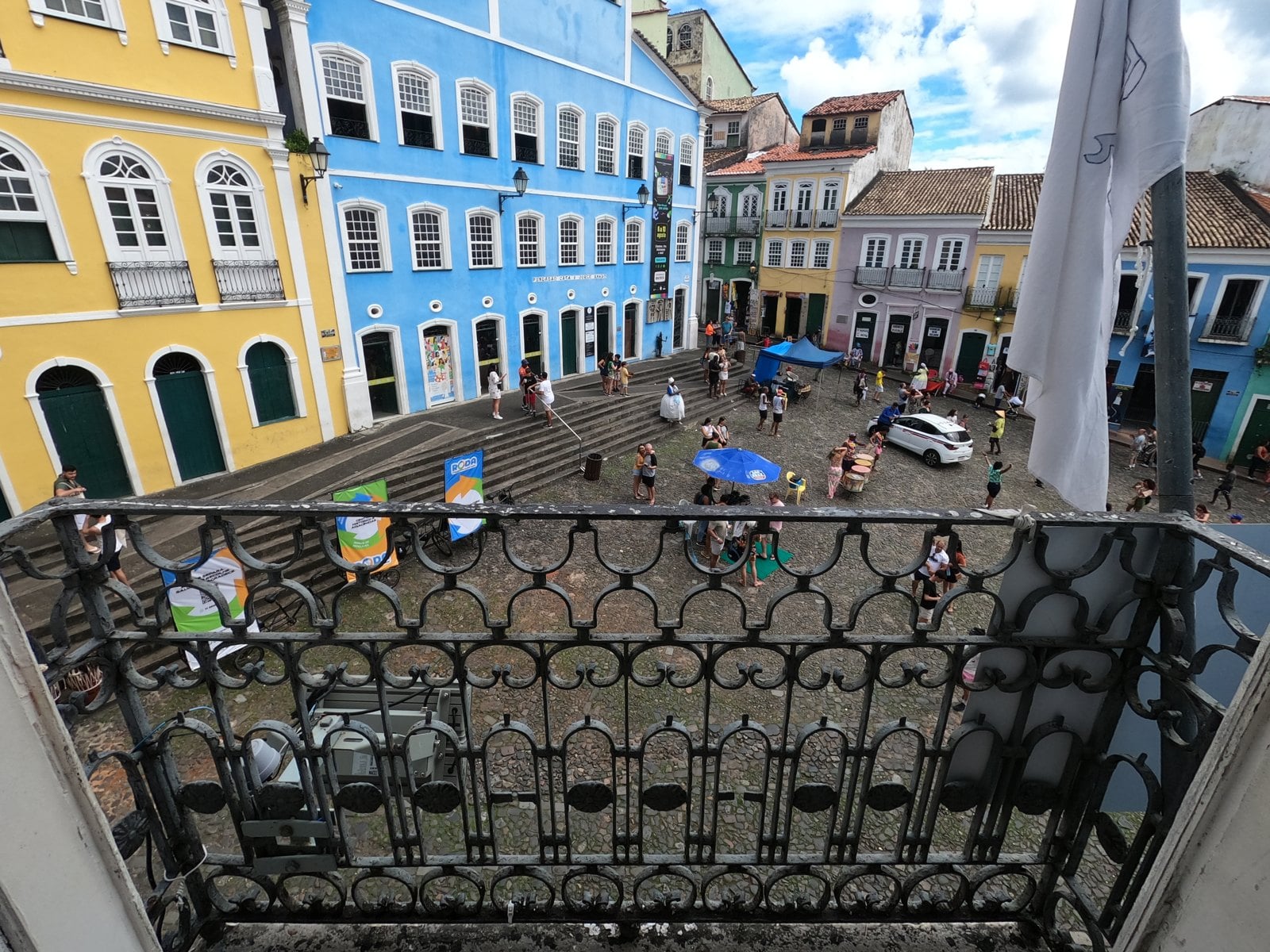
From Wednesday 5 August to Sunday 9 August, the Largo do Pelourinho and nearby squares hosted author talks, book launches, workshops, storytelling, and live music. It’s a blend of refined culture and street carnival energy.
The festival has grown from a modest gathering into a major date on Brazil’s cultural calendar. It draws both devoted book lovers and casual passersby who stumble into a poetry reading.
Organisers prioritise accessibility, so most events are free and open to the public. There’s a strong focus on Afro-Brazilian voices, reflecting the neighbourhood’s deep heritage.
A Glittering Opening Night
The festival kicked off at 7pm on 5 August with a show called “A palavra e o tempo” (The Word and Time), starring Belô Velloso and directed by Edvard Passos. The performance set a poetic and deeply Bahian tone.
Over the following days, the schedule overflowed with panels covering everything from political commentary to Afro-Brazilian storytelling. A strong line-up of national and international authors kept the squares buzzing.
One panel explored the legacy of slavery in modern Brazilian literature, drawing a packed crowd. Another session paired a novelist with a historian to discuss memory and place.
Authors You Should Know
Brazilian literary stars were out in force: Itamar Vieira Junior, Milton Hatoum, and Carla Madeira drew large crowds. Poet Bráulio Bessa brought his popular charm, while Gregório Duvivier added wit and satire.
Angolan writer Ondjaki and Bahian musician Tiganá Santana blurred the lines between literature and music. For younger readers, there were dedicated children’s activities, making the festival genuinely family-friendly.
A special session on women writers in the Northeast featured three debut novelists who spoke about their craft. There was also a tribute to a beloved local poet who passed away earlier this year.
A Celebration in the Streets on Closing Day
Sunday 9 August wrapped up with a thanksgiving mass at the Igreja Nossa Senhora do Rosário dos Pretos, one of Salvador’s most symbolic churches. After that, the streets filled with debates, live music, and poetry gatherings.
It was a fitting end: Flipelo isn’t just about books on a table. It’s about claiming public space for culture in a neighbourhood that’s both a tourist hotspot and a living Black heritage site.
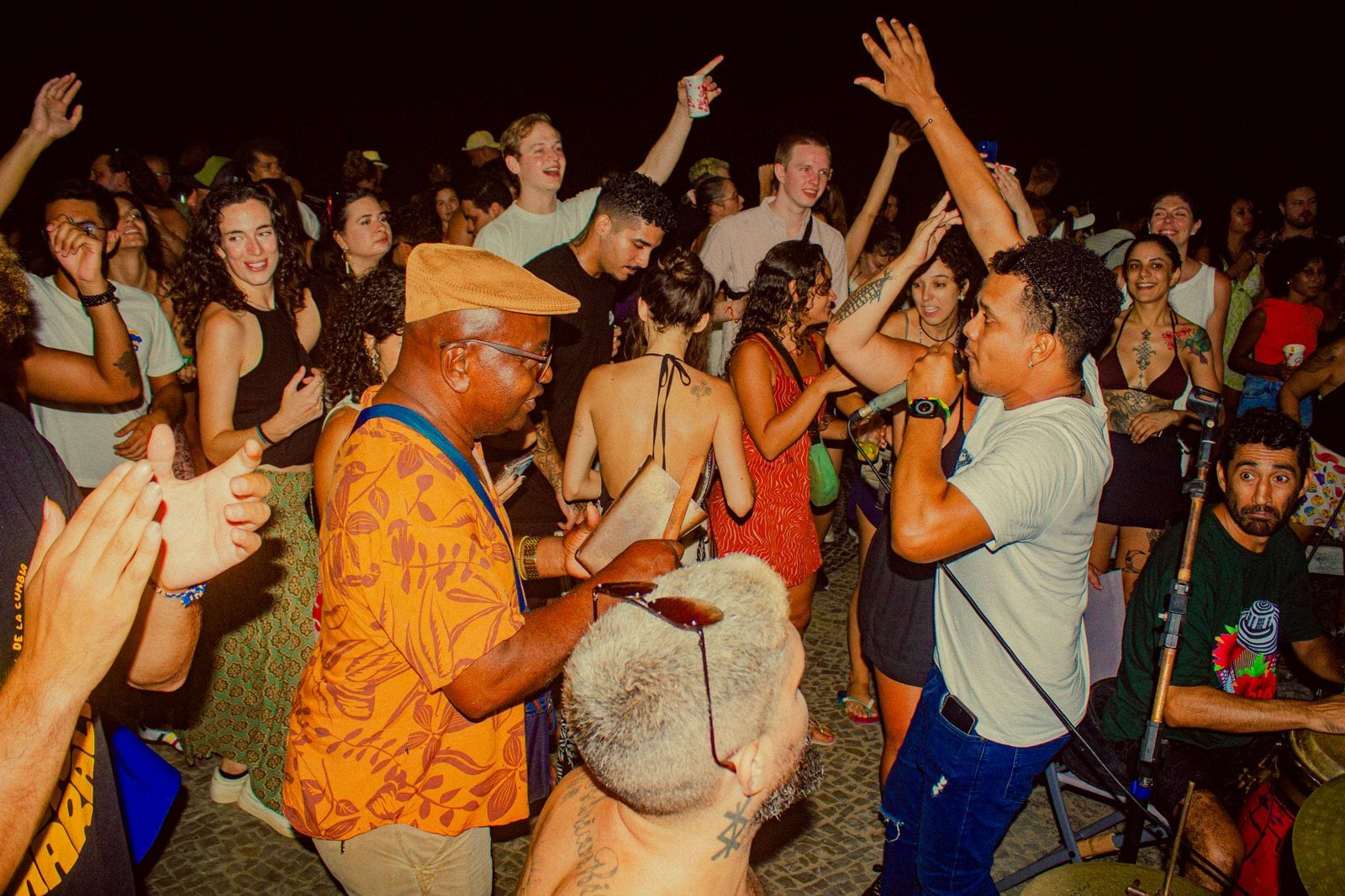
The mass honoured the festival’s tenth anniversary with a message of community and resilience. Later, a samba circle formed spontaneously near the main stage, drawing in festival-goers and locals alike.
Why This Matters for Expats and Nomads
If you’re living in or visiting Salvador, events like Flipelo are your best way to grasp the city’s soul. The Pelourinho is beautiful, but it’s easy to see it only through a camera lens.
At Flipelo, you hear local voices — Afro-Brazilian poets, baiano novelists, activists telling their own stories. It’s a chance to move beyond beaches and food stalls into real cultural conversation.
For those still learning Portuguese, the festival offers a natural immersion environment. You can follow along with visual art, music, and the energy of the crowd even if you miss some words.
In the Pelourinho
Flipelo unfolds in the Pelourinho, Salvador’s colorful colonial heart and a UNESCO World Heritage site. The setting alone is worth the trip.
The festival mixes author talks, readings and music. Much of it is free and open to the public.
Salvador is the capital of Bahia, the center of Afro-Brazilian culture. A literary weekend pairs well with the city’s food and rhythm.
Salvador was Brazil’s first capital, and its old center is a maze of pastel churches and cobbled lanes. The festival threads through that living history.
Flipelo grew as a sister event to the famous Flip festival in Paraty. It puts Black Brazilian writers and thinkers at the center.
Even after the main program ends, the Pelourinho keeps its rhythm. Street music and open squares carry the mood into the night.
Come with comfortable shoes and time to wander. Half the joy is stumbling into a reading or a drum circle.
Salvador’s food is a draw in its own right. Break for a plate of moqueca or an acaraje between sessions.
Taxis and app cars reach the old center easily. Parking is scarce, so leave the car behind if you can.
Practical Tips for Next Year
The festival happens in early August, so keep an eye on official announcements around July. Most events are free and open-air, so no tickets are needed — just show up.
Wear light clothes, bring a hat and water, and be ready for crowds. The Pelourinho can get hot and packed, but that’s part of the charm.
If you prefer quieter moments, try the morning activity sessions for kids, which are less busy and often more intimate. For the best seats at big talks, arrive at least 30 minutes early.
Frequently Asked Questions
When does the Flipelo Salvador literary festival take place?
In 2026, it ran from 5 to 9 August. The next edition is likely to follow a similar schedule in early August, but check official announcements for exact dates.
Where exactly is Flipelo held?
The festival is in the Pelourinho, the historic centre of Salvador, Bahia. Main stages are set up at Largo do Pelourinho and nearby squares.
Do I need to buy tickets?
Most events are free and open-air, so you can just wander in. Some workshops might require registration, but the core programme is accessible.
Is Flipelo suitable for non-Portuguese speakers?
The events are in Portuguese, but the atmosphere and music are universal. Even if you catch only fragments, you’ll feel the energy of the crowds and the creativity.
Sources: Correio24horas, Agenciabrasil, Salvadordabahia, Youtube, Veja