By The Rio Times | Created at 2026-09-03 06:56:31 | Updated at 2026-09-03 07:57:37
1 hour ago
By The Rio Times | Created at 2026-09-03 06:56:31 | Updated at 2026-09-03 07:57:37
1 hour ago
Botswana · AGRIBUSINESS
Key Facts
- —The closure The European Union removed the last authorised Botswana zones for fresh beef on 21 April 2026.
- —The instruments Regulations (EU) 2026/451 of 23 February and 2026/914 of 21 April.
- —The abattoir problem Botswana’s only EU-listed slaughterhouse sits in zone 11, where an outbreak was confirmed.
- —The status loss The animal health body suspended disease-free status for ten Botswana zones from 31 March.
- —Not total Botswana eased movement restrictions on 5 May and other export markets have reopened.
- —The scale Meat is about 1.4% of Botswana’s exports; diamonds are 54%.
The country’s only abattoir cleared for Europe stands inside an outbreak zone. That single fact closed the market.
One-stop reference
Company Intelligence
Every listed company in Latin America — financials, ownership and structure for 1,450+ companies across 26 exchanges, in one place.
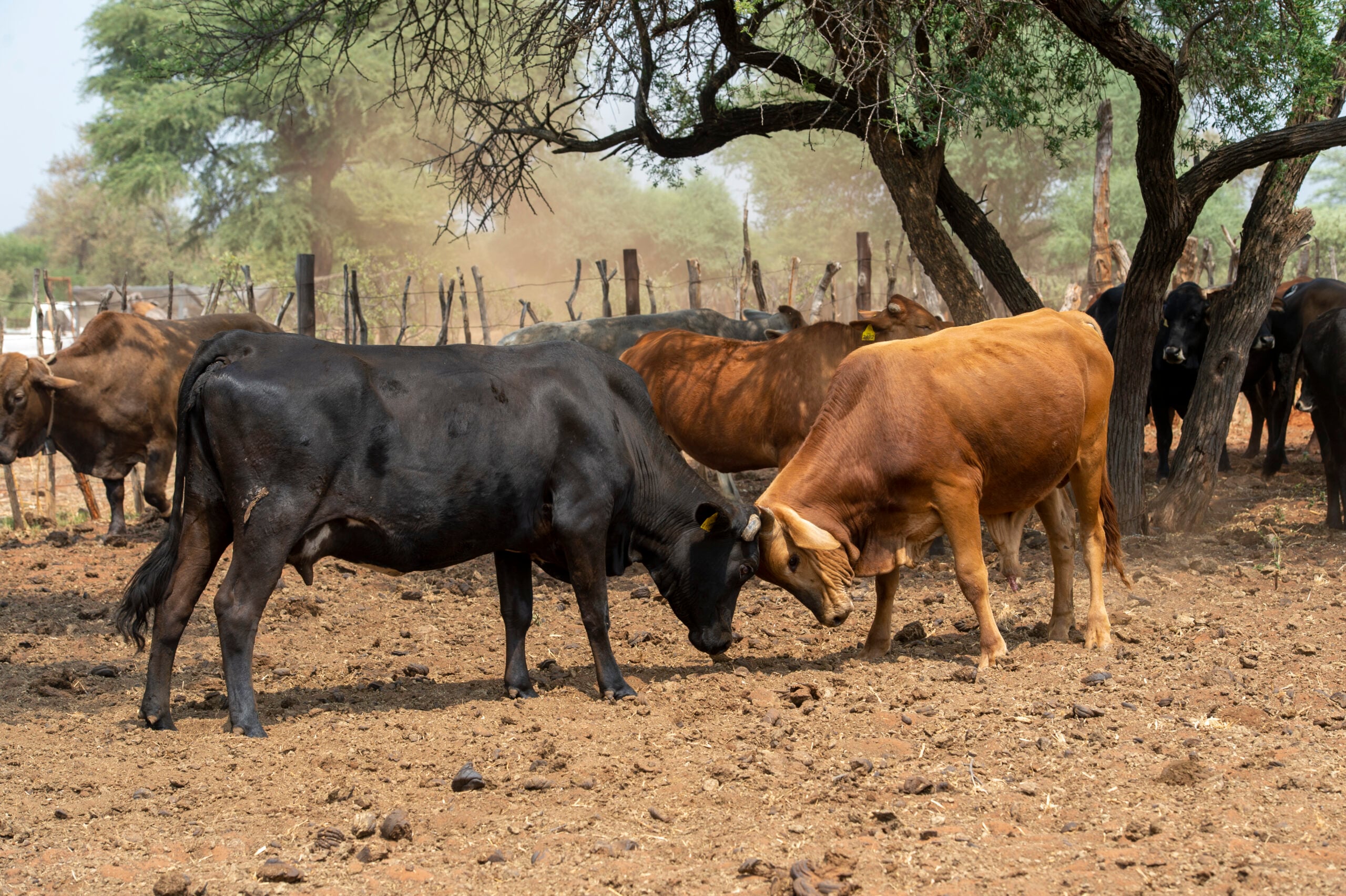
Botswana can no longer sell fresh beef into the European Union. A run of foot-and-mouth outbreaks cost it the disease-free status the market depends on.
The decisive problem is geography. The country’s only slaughterhouse approved for Europe stands inside an affected zone.
How the Market Closed
Botswana’s beef exports are organised by disease-control zones, and the European Union authorises them one by one. One zone had already been suspended since 2022.
An outbreak on 29 January 2026 occurred inside that suspended zone. In February the Union removed another zone, by Regulation 2026/451.
A further outbreak was confirmed on 1 April at Ramatlabama in the Southern District. Regulation 2026/914 of 21 April then removed the four zones still authorised.
That left none. No instrument reopening the market has been published since.
The Abattoir in the Wrong Place
The Ramatlabama outbreak sits in zone 11. So does the only slaughterhouse in Botswana listed to export to the European Union.
European rules also govern the movement of animals between areas of different disease status. So cattle from clean zones cannot simply be trucked to a plant inside an affected one.
That is what turns a regional outbreak into a national trade closure. The plant is the Botswana Meat Commission works at Lobatse.
The Status Downgrade Behind It
The World Organisation for Animal Health suspended Botswana’s freedom-from-disease status for ten control zones with effect from 31 March 2026. Importing countries use that status to decide access.
Foot-and-mouth disease is not a food safety problem for people. It is a livestock disease that spreads fast and devastates herds, which is why trade rules treat it so severely.
What the Minister Told Farmers
Lands and Agriculture Minister Edwin Dikoloti addressed farmers at Metlobo on 31 August 2026. He said 54 cattle had entered a containment zone while authorities were working to control the outbreak.
That account appears in one wire report and has not been carried by Botswana’s own press. The Rio Times could not confirm it independently.
The Market Is Not Wholly Shut
Botswana eased its internal movement restrictions on 5 May 2026. Exports are permitted again subject to what each importing country requires.
Two zones have been cleared and a dossier is being prepared for the animal health body. Zones 11 and 13 still have active transmission.
So the accurate description is that Europe is closed for fresh beef while other markets have partly reopened. Saying Botswana cannot export beef at all would be wrong.
How Much Money Is Involved
Meat and meat-product exports were valued at 404 million pula (US$30.7 million) in 2024, against 312 million (US$23.7 million) in 2023. Live cattle exports brought a further 523 million pula (US$39.8 million) in 2024, down from 648 million (US$49.3 million).
Beef exports through the Botswana Meat Commission generated about 2.36 billion pula (US$180 million) between 2020 and 2025. Those figures come from a single wire account citing the ministry.
Set against the whole economy the sums are modest. Meat is roughly 1.4% of Botswana’s exports, while gems and diamonds are about 54%.
That does not make it unimportant. Cattle are held far more widely across rural Botswana than diamond revenue ever reaches.
A Regional Outbreak
Botswana’s outbreak is part of a wider run of the SAT 1 serotype across southern Africa. Zimbabwe and Lesotho reported the same type during 2026.
Eswatini has had outbreaks of two serotypes, and its own status suspension dates from May 2025. South Africa has reported four separate lineages.
Frequently Asked Questions
Is Botswana banned from selling beef to the EU?
For fresh beef, yes. The European Union removed the last authorised zones on 21 April 2026, and no re-authorising instrument has been published since.
Why does one abattoir matter so much?
It is the only slaughterhouse approved to export to the EU, and it sits in zone 11. An outbreak was confirmed there at Ramatlabama, in the Southern District.
Is Botswana beef unsafe?
That is not what the measure says. Foot-and-mouth disease does not harm people who eat the meat; the restrictions are about animal health and trade status.
Can Botswana sell beef anywhere?
Yes. Botswana eased movement restrictions on 5 May 2026 and exports are permitted subject to what importing countries require.
How big a loss is this?
Smaller than it sounds. Meat is roughly 1.4% of Botswana’s exports against 54% for diamonds.
Sources: Commission Implementing Regulations (EU) 2026/451 of 23 February 2026 and (EU) 2026/914 of 21 April 2026, amending Annex XIII to Regulation (EU) 2021/404; World Organisation for Animal Health; WOAH/FAO foot-and-mouth reference laboratory report for January to March 2026; Botswana Ministry of Lands and Agriculture; Agence Ecofin. Converted at 13.1406 pula to the dollar, the Bank of Botswana rate for 2 September 2026.