By The Rio Times | Created at 2026-09-02 11:08:21 | Updated at 2026-09-30 08:03:16
3 weeks ago
By The Rio Times | Created at 2026-09-02 11:08:21 | Updated at 2026-09-30 08:03:16
3 weeks ago
Travel: Guatemala
Key Facts
- —Superior gasoline jumped from Q30 to Q40.95 per gallon (about US$3.94 to US$5.37), a rise of roughly 37 percent, according to figures cited by protesters.
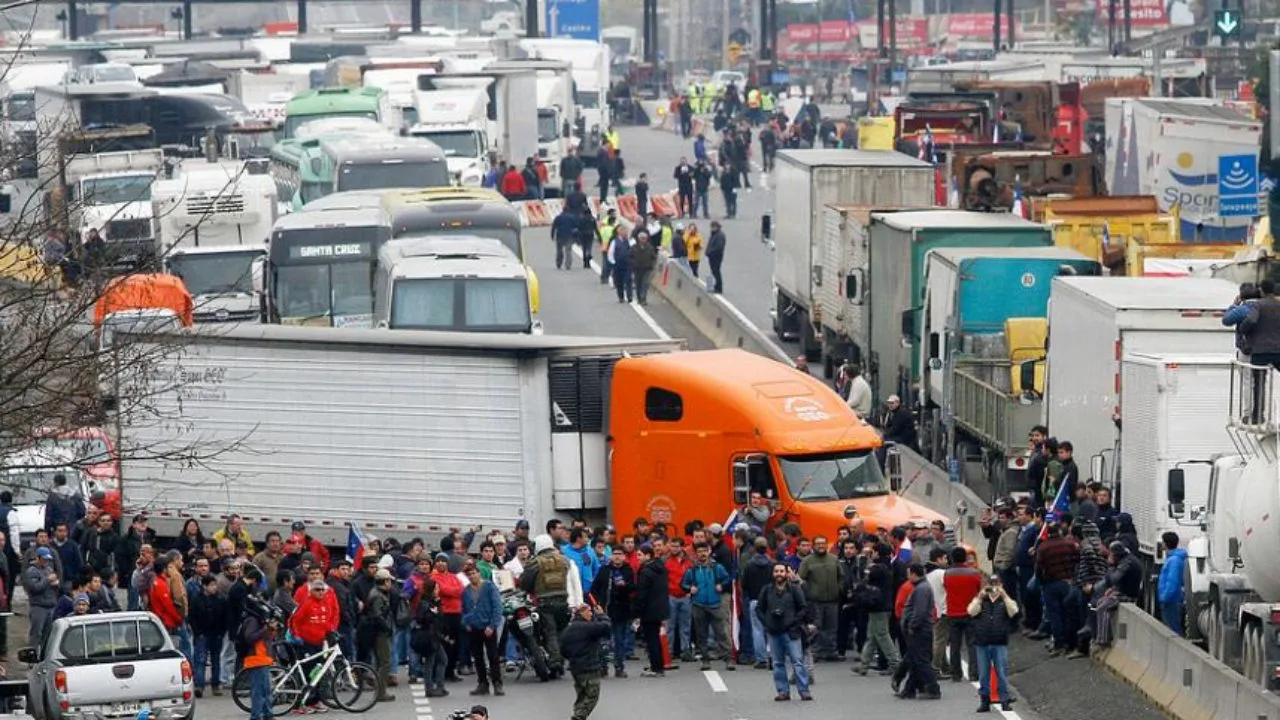
- —As of Tuesday night, five blockades remained closed — including the El Carmen–Talismán border crossing to Mexico, the CA-13 near Mundo Maya airport in Petén, the RN-01 at Esquipulas Palo Gordo, and a downtown intersection in zone 1 of Guatemala City — while ten had been reopened.
- —The protest has no declared end date. Organisers say the blockades will continue until the government and Congress deliver a concrete answer on fuel costs.
- —A government bill for a temporary fuel subsidy is stalled in Congress, and the transport guild Gretexpa says operating costs have risen by almost 100 percent, putting providers on the edge of collapse.
- —Passport deliveries are delayed and the Cámara de Comercio has filed a constitutional action to force the authorities to guarantee free movement.
A 37 percent fuel price jump has turned Guatemala’s highways into bargaining chips, with the main border crossing to Mexico still closed and no end date in sight. Here is the practical picture for anyone travelling or living there.
One-stop reference
Company Intelligence
Every listed company in Latin America — financials, ownership and structure for 1,450+ companies across 26 exchanges, in one place.
What is closed and what is open
The protest started on Monday 31 August with at least 17 blockades installed nationwide. By Tuesday night, Provial — Guatemala’s road protection agency — reported that five points remained closed while ten had been cleared. The closures still standing included:
- The El Carmen–Talismán border crossing at kilometre 278 in San Marcos, the main land bridge to Chiapas, Mexico.
- The CA-13 near Mundo Maya airport in Santa Elena, Petén, blocking access to the airport and the Petén central zone.
- The RN-01 at Esquipulas Palo Gordo in San Marcos.
- A downtown intersection in zone 1 of Guatemala City, on 9a Avenida between 9a and 10a Calles.
- The ruta al suroccidente at kilometre 168.5 in Cuyotenango, Suchitepéquez.
Reopened points included stretches on the ruta al suroccidente in Catarina and San Pablo, San Marcos; the RN-01 at Palestina de Los Altos, Quetzaltenango; and the RD-PET-11 at La Libertad, Petén. The situation is fluid: Provial updates its map throughout the day, and protest leaders say they will add or remove blockades depending on the government response.
The price shock behind the protest
Protesters put the increase at Q10.99 per gallon, roughly 37 percent. Superior gasoline went from Q30 to Q40.95 a gallon, about US$5.37 at the quetzal’s rate of roughly Q7.62 to the dollar. Diesel, the fuel of buses and freight, had already passed Q43 per gallon in July and has kept climbing since. For urban operators, Q4 of every Q5 fare now goes straight to fuel — and chambers have warned fares could rise to Q6 or Q7 if no relief comes.
The timing is awkward. Since 30 June, all regular and premium gasoline must contain 10 percent ethanol, replacing the additive MTBE — a shift supplied largely by imports of about 100 million gallons of ethanol a year, roughly half of national demand. The reform was meant to clean the fuel, but the transition has added cost pressure at the pump.
What the government has offered — and what it has not
The executive sent Congress a bill for a temporary fuel subsidy, but the proposal remains stuck amid political disputes. The transport guild Gretexpa wants both branches to set aside party battles, review the hydrocarbon tax structure and create targeted subsidies that go directly to transport users rather than fuel importers. Until then, it warns, the cost of institutional paralysis will be paid in markets and on bus routes.
The Cámara de Comercio has taken a harder line, filing a constitutional action of amparo to demand that the president, the interior minister and the police chief act with “contundency” to restore free movement. The chamber says the blockades violate the constitutional right to free locomotion and cause incalculable economic damage.
What travellers and expats should do now
Four rules while the protest lasts. First, check Provial before you leave: the agency posts live updates on Twitter/X and its website, and the map changes hour by hour. Second, avoid the closed crossings: El Carmen–Talismán and the CA-13 near Mundo Maya are the two most disruptive closures for international travel. If you must cross to Mexico, monitor whether Tecún Umán–Ciudad Hidalgo reopens, or consider flying. Third, carry extra fuel, water and patience: alternate routes are congested and journey times can double. Fourth, do not count on same-day passport services: the Guatemalan Migration Institute says blockades have delayed passport distribution, especially in San Antonio Sacatepéquez, San Marcos.
For residents, the deeper risk is cost-of-living: if the Q5 bus fare rises to Q6 or Q7, the daily commute for a minimum-wage worker eats a larger share of income, and the basic food basket — which moves by truck — gets more expensive with every day the roads are blocked.
What happens next
The protest has no declared end date. The government’s subsidy bill is stalled, and the Cámara de Comercio’s constitutional action could take days or weeks to produce a court order. For travellers, the practical window is the next 48 to 72 hours: if the blockades hold through the weekend, the impact on supply chains and bus fares will deepen. The Rio Times will track Provial updates and any congressional movement on the subsidy bill.
Which border crossings between Guatemala and Mexico are closed?
As of Tuesday night, the El Carmen–Talismán crossing at kilometre 278 in San Marcos remained closed, along with the CA-13 near Mundo Maya airport in Petén. The Tecún Umán–Ciudad Hidalgo crossing had been reported closed earlier in the week; check Provial’s live map for its current status. Ten other blockade points had been cleared by Tuesday evening.
How much have fuel prices risen in Guatemala?
Protesters say superior gasoline rose from Q30 to Q40.95 per gallon, about US$3.94 to US$5.37, a jump of roughly 37 percent. Diesel had already passed Q43 per gallon in July and has kept climbing. At roughly Q7.62 to the US dollar, 20 gallons of diesel cost about Q850, roughly US$112.
When will the protests end?
Organisers have set no end date. They say blockades will continue until the government and Congress deliver a concrete answer on fuel costs. A government subsidy bill is stalled in Congress, and the Cámara de Comercio has filed a constitutional action to force the authorities to clear the roads.
Sources
- Prensa Libre — live blog of road blockades and Provial updates, 31 August–1 September 2026
- Milenio — border crossing closures, 1 September 2026
- teleSUR — transport sector demands and government response, 1 September 2026
- Provial — official road-status updates via social media, 1 September 2026
- Instituto Guatemalteco de Migración — passport delivery delay advisory, 1 September 2026
- Cámara de Comercio de Guatemala — constitutional action filing, 31 August 2026
More: Guatemala news in English, every day from The Rio Times. See also: today’s LatAm Expat & Nomad Daily Guide and what Peru’s El Niño emergency means for residents and travelers.
This article was produced by The Rio Times’ automated newsroom system. How we use AI · Report an error
The Rio Times · Power Map
See who really holds power in Latin America
Click to open the Power Map →