By The Rio Times | Created at 2026-10-11 11:26:53 | Updated at 2026-10-11 14:02:56
2 hours ago
By The Rio Times | Created at 2026-10-11 11:26:53 | Updated at 2026-10-11 14:02:56
2 hours ago
Expats · Peru
A typical 100 m² flat in Lima rents for S/3,356 (about US$979) a month, according to Urbania’s April 2026 report, and the range is wide: from about US$462 in Los Olivos to about US$1,506 in the San Isidro financial zone. Foreigners also face one rule Peruvians do not: since 2023, landlords must ask them for proof of regular migration status.
Key Facts
—Who. Americans and other foreigners planning to rent a flat in Lima, Peru’s capital, for a few months or a few years.
—What. Average rents by district for 100 m² three-bedroom flats in April 2026, the paperwork a foreigner must show, and the clauses to check before signing.
—Why it matters. Lima averaged S/3,356 (about US$979) a month in April 2026, up 4.0% in the first four months of 2026, and San Isidro and Barranco each cost more than S/4,200 (about US$1,225). Rents in San Isidro rose 9.5% year on year.
—The rule. Law 31689, published on 15 February 2023, requires landlords to ask foreign tenants, and any foreigners living with them, for a document proving regular migration status.
—Exchange rate. All soles figures use S/3.428 per US$1, the 9 October 2026 close on EODHD.
The Short Answer: What a Flat in Lima Costs
The city-wide average rent in Lima was S/3,356 a month in April 2026 (about US$979), for a 100 m² flat with three bedrooms. That is Urbania’s figure, a Peruvian property portal that publishes a monthly rental index. In September 2025 the same index showed S/3,198 (about US$933), so rents are rising, though slowly.
Where you rent matters more than when. The priciest district in the table costs about 60% more than the cheapest, and the gap between individual zones is wider still. Most foreigners end up in the first three rows.
| Barranco | S/4,317 | about US$1,259 | Highest of the districts in this table; rose 4.6% in a year |
| San Isidro | S/4,213 | about US$1,229 | Financial district; rose 9.5% in a year |
| Miraflores | S/3,868 | about US$1,128 | Coastal and the most familiar to visitors |
| La Victoria | S/3,760 | about US$1,097 | Central, mid-priced |
| Lince | S/2,690 | about US$785 | Central and cheaper |
| La Molina | S/2,583 | about US$754 | Residential, east of the centre; rose 9.3% in a year |
| Lima average | S/3,356 | about US$979 | All districts |
Within districts the spread is also large. San Isidro Financiero, the single most expensive zone in the report, averaged S/5,161 (about US$1,506). Los Olivos Sur, the cheapest, averaged S/1,583 (about US$462). The figures were reported by Infobae Peru on 21 May 2026.
What the Numbers Do and Do Not Tell You
Read these figures as a guide, not a quote. They describe a standard 100 m² three-bedroom flat, which is bigger than many solo expats need. A one-bedroom or studio will cost less, and a furnished short-term flat with services included will usually cost more. We could not confirm how many of the rents in the index are asking prices and how many are signed leases.
The trend is clear, though. Urbania reported that Lima rents rose 4.0% in the first four months of 2026. Among the districts it highlighted, Jesús María rose 11.6% in a year, San Isidro 9.5%, La Molina 9.3% and Barranco 4.6%. If you plan to stay longer than a year, ask about the annual increase before you sign, because the market is moving up.
Where Foreigners Tend to Rent
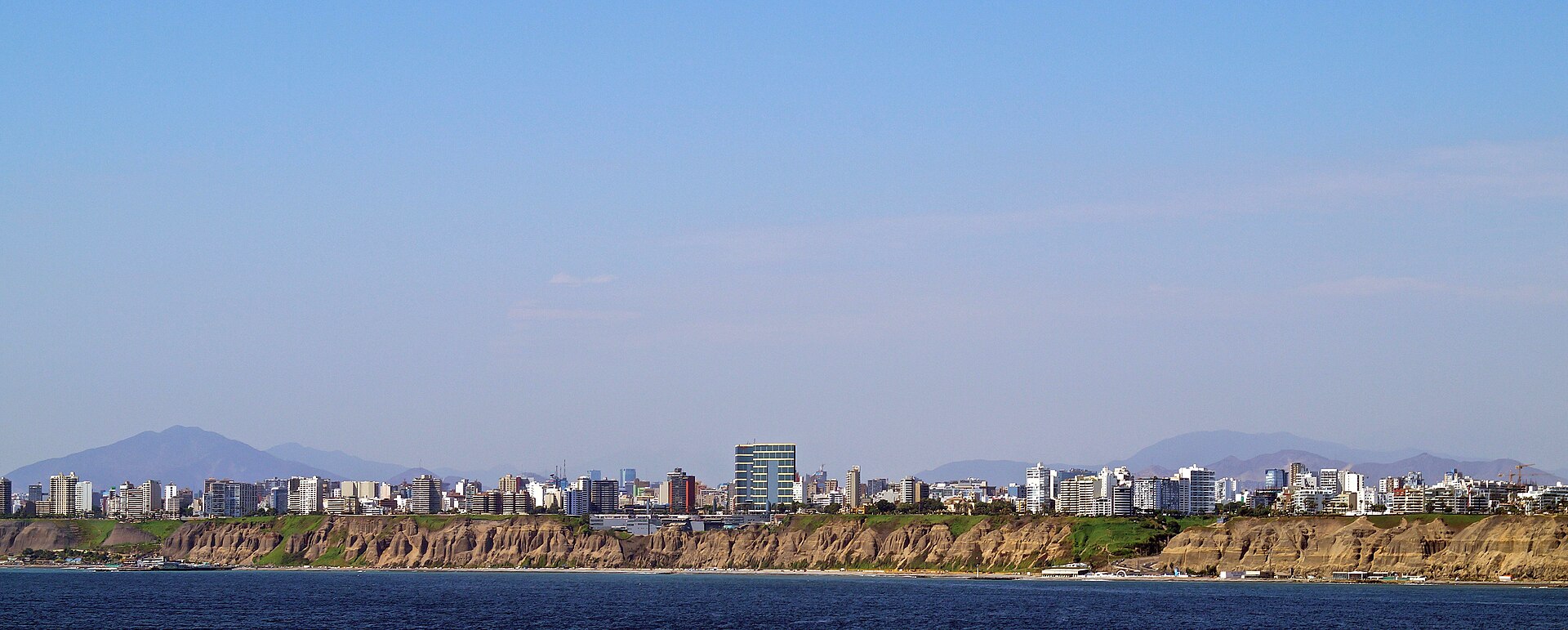
Miraflores and Barranco sit on the coast and are the districts most visitors know. Miraflores has parks, cafés and the cliff-top walks above the Pacific. Barranco is a former seaside resort known for its galleries, bars and the wooden Bridge of Sighs. San Isidro is quieter, greener and home to many offices.
Lince and La Molina are the cheaper options on our list. La Molina is a residential district east of the centre, so expect longer rides to the coast. Lince is central. We have no safety ranking of individual districts, so read our Peru safety guide and walk each street at the hour you will be using it before you commit.
The Rule Foreigners Should Know: Law 31689
Peru changed its migration decree in 2023. Law 31689, published on 15 February 2023, modifies Legislative Decree 1350, the country’s migration law. It requires landlords to ask for a document proving the regular migration status of any foreigner they sign a lease with, and of the other foreigners who will live in the property.
The same law requires the landlord to report that information to Migraciones, the national migration authority, through its digital platforms. The fines in the law’s article 63 are written for lodging operators such as hotels and hostels that fail to record guests’ nationality, birth date, name and document number, or fail to report them.
In practice, expect to hand over a copy of your passport and your residence card or proof of lawful stay, and expect the same for your partner or family. Bring them to the first viewing. Our Peru residency guide explains the visa routes.
The Contract: What to Check Before You Sign
Peruvian legal-information sites say the country has no single rental statute that sets every term, so the contract does most of the work. That is why the clauses matter. Check these five before you pay anything.
Rent and currency. State whether rent is in soles or dollars and how the exchange rate is set. A dollar lease exposes you to a falling dollar and a soles lease to a rising one. Ask whether the rent includes building maintenance fees and utilities.
Deposit. Peruvian legal-information sites describe a deposit of one to two months’ rent as usual. We found no cap in force. Put the amount, the conditions for its return and the deadline in writing.
Term and increases. Write down the lease length, the notice you must give to leave and how the rent can change. With rents up 4.0% in four months, a fixed figure for the first year is worth asking for.
Eviction clause. Law 30933 created a fast notarial route for landlords to recover a property. It applies when the tenant has expressly agreed to the procedure in the contract, a notary certifies the ground, and a justice of the peace (juez de paz letrado) orders the eviction. The contract must also be on the official single lease form (FUA) or in a notarial deed, and include a clause on returning the property and a payment account. Reported grounds include unpaid rent and an expired lease. If your lease has such a clause, read what it says, and have it translated.
Inventory. Photograph the flat, list the furniture and note the meter readings on the day you move in. That is your best protection when the deposit comes back.
A lawyer who reads Spanish should review any lease you cannot read yourself. A few dozen dollars is cheap against a lost deposit.
Budgeting Beyond the Rent
Rent is only one line. Ask each landlord what the monthly maintenance fee covers, who pays for water, electricity, gas and internet, and whether the figure you were quoted is the full monthly cost. We have no reliable, dated source for average utility bills in Lima, so we do not quote one. Our guide to banking in Peru covers how to set up a local account to pay by transfer, and our first 90 days guide covers the rest.
If you are still choosing a country, Peru versus Colombia compares costs, visas and safety. Retirees can start with our retirement guide, and every Peru story we publish is collected on the Peru hub.
The Downsides
Lima gets expensive once you want a coastal district. At S/3,868 (about US$1,128) for the average Miraflores flat, you pay more than the city average by nearly US$150 a month. Rents are rising, the most sought-after districts are pulling away from the rest, and foreigners must expect paperwork that a local would not face.
A second drawback is that data is thin. We found no official rent statistic for Lima, so the index here comes from a private portal. Treat it as a market signal and confirm prices on listings in your own search.
What It Means for You
If you are an American planning a move, budget roughly US$1,100 to US$1,300 a month for a three-bedroom flat in Miraflores, San Isidro or Barranco, and far less if you accept a smaller flat in Lince or a commute from La Molina. Rent a short-term flat for the first month, visit districts at night, and sign a long lease only once you know your street. Expect the landlord to ask for your passport and residency papers, and have them ready.
What Is Not Known
We could not confirm whether the Urbania figures are asking or signed rents, what a one-bedroom costs in each district, how Migraciones’ reporting platform works for private landlords, or whether the one-to-two-month deposit custom is written into any rule. Prices change monthly, so we will update this guide when new data is published.
Frequently Asked Questions
How much does it cost to rent a flat in Lima?
The average rent in Lima was S/3,356 a month (about US$979) in April 2026 for a 100 m² three-bedroom flat, according to Urbania. Barranco averaged S/4,317 (about US$1,259) and Miraflores S/3,868 (about US$1,128). Smaller flats cost less.
Which Lima district is cheapest for foreigners?
Among the districts in Urbania’s report, Lince (S/2,690, about US$785) and La Molina (S/2,583, about US$754) were cheaper than the city average. The cheapest zone listed, Los Olivos Sur, averaged S/1,583 (about US$462), but it is far from the districts most foreigners choose.
Do foreigners need special papers to rent in Peru?
Yes. Under Law 31689, landlords must ask foreign tenants for a document proving regular migration status, and do the same for other foreigners who will live in the property. Landlords must also report the information to Migraciones.
How much deposit do landlords ask for in Peru?
Peruvian legal-information sites describe one to two months’ rent as usual. We found no legal limit, so agree the amount and return conditions in writing.
Can a landlord evict a tenant quickly in Peru?
Law 30933 provides a notarial eviction route, but it applies only when the tenant has expressly agreed to it in the contract. Check your lease for that clause before you sign.
Are Lima rents going up?
Yes. Urbania reported that Lima rents rose 4.0% in the first four months of 2026. San Isidro rose 9.5% year on year and La Molina 9.3%. Ask for a fixed rent for the first year.