By South China Morning Post | Created at 2026-09-09 10:17:00 | Updated at 2026-09-09 10:58:48
58 minutes ago
By South China Morning Post | Created at 2026-09-09 10:17:00 | Updated at 2026-09-09 10:58:48
58 minutes ago
Imagine it is the height of the Tang dynasty (618–690, 705–907), and the imperial court awaits a gift of pure opulence.
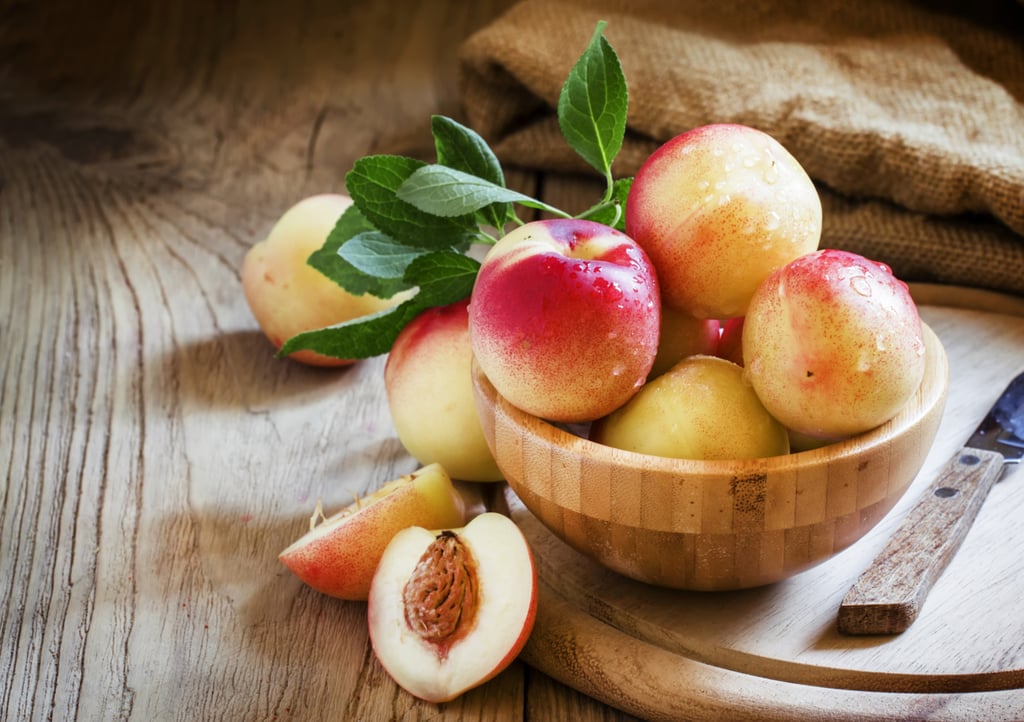
The exotic luxury would not have been a golden statue or precious gem; those were easy enough for high royalty to procure. Rather, it was a humble peach, specifically, the “golden peach of Samarkand,” which symbolised the allure and mystery of a faraway land.
Originating in what is modern-day Uzbekistan, the luscious peach shows how food spread along the Silk Road and how Central Asia often served as a centre for cultural blending, particularly in spreading ingredients both East and West.
“In many ways, Central Asia is a forgotten land, and few people in East Asia or Europe are familiar with the many names of prominent empires that rose and fell in this vast region,” said Dr Robert N. Spengler III, the director of the Paleoethnobotany Laboratories at the Max Planck Institute for the Science of Human History in Germany.
He pointed out that Central Asia sat at the crossroads of the Silk Road, and that foods like rice, chicken, and melons came from China, while items like wheat, lentils, cattle, and fava beans spread from Southwest Asia. All of them travelled through Central Asia.