By Better Living | Created at 2026-10-03 21:36:25 | Updated at 2026-10-03 23:08:31
1 hour ago
By Better Living | Created at 2026-10-03 21:36:25 | Updated at 2026-10-03 23:08:31
1 hour ago
A pineapple can look golden, smell fine and still disappoint you when you cut it open. The trick is not to rely on color alone. Here is how to pick a ripe pineapple, based on USDA and university extension guidance, and why the popular leaf-pull test isn’t on the list.
The short answer: choose a pineapple that smells sweet, is yellowing from the bottom up, feels heavy for its size and gives slightly when pressed, with fresh green leaves. Don’t count on a green pineapple turning sweet at home.
Four checks for picking a ripe pineapple
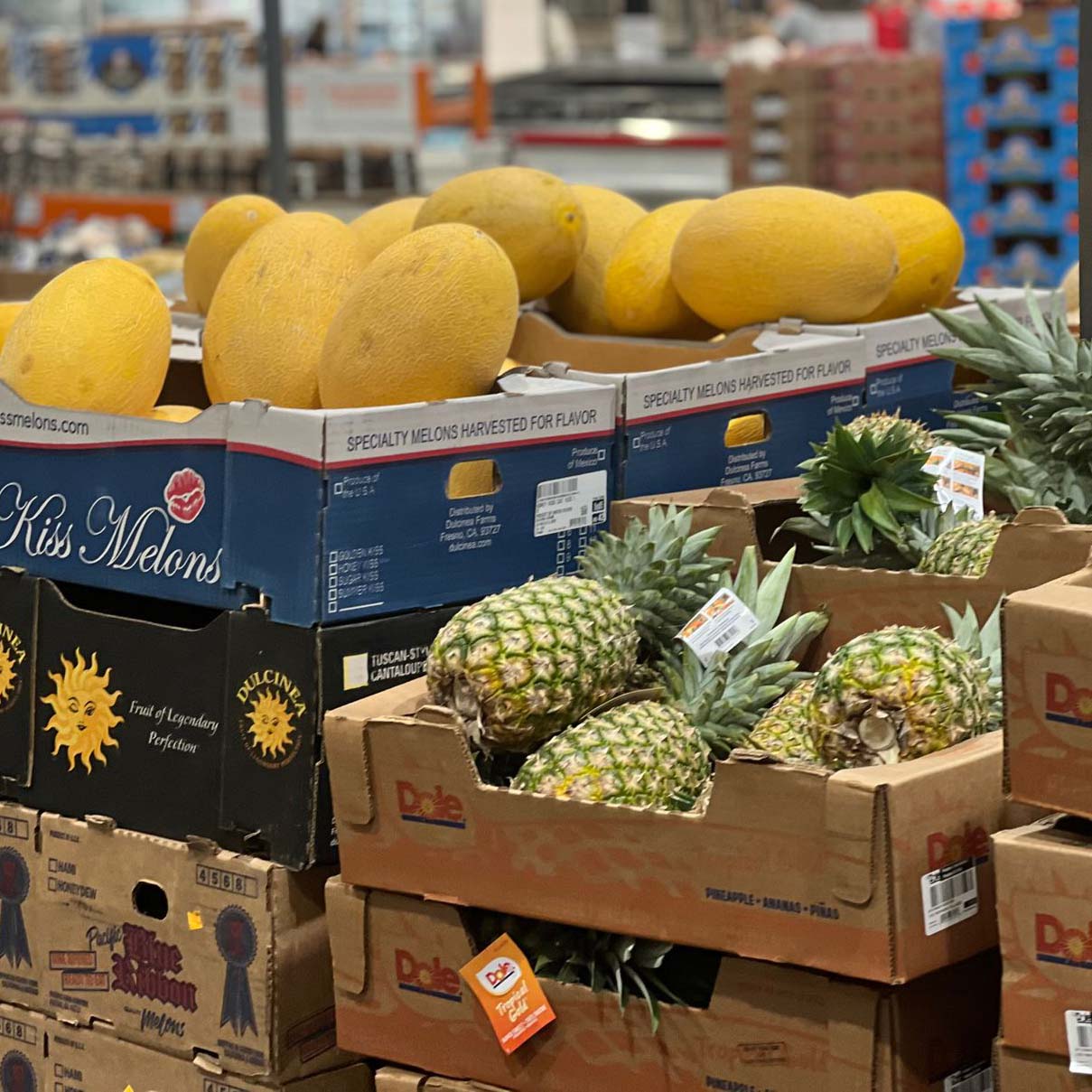
1Smell the base
Verdict: start here. The USDA SNAP-Ed guide says a ripe pineapple has a sweet smell. The Ohio State University Extension describes a delicate fragrance, and the University of Minnesota Extension a fruity aroma. Lift it and sniff the bottom. That spot is our tip, not something the sources specify, but it is where the yellowing starts, so it is an easy place to check.
A faint or grassy smell isn’t the sweet, fruity aroma you’re looking for. Ohio State says to avoid any pineapple with a fermented smell, and a sour or boozy note is a good reason to put one back.
2Check the color, but not on its own
Verdict: look for yellow at the base, but don’t buy on color alone. The UC Davis Postharvest Technology Center lists a shell that shifts from green to yellow at the base as a sign of maturity. The University of Hawaii’s College of Tropical Agriculture, though, cautions that high shell color is not always a good measure of sweetness. UC Davis postharvest specialists add that ethylene treatment can break down the green pigment in the rind without any matching change inside the fruit.
The Hawaii guidance looks for flat “eyes,” meaning the individual segments on the skin, and lists dull, yellow skin as a negative sign. So bright yellow working up from the base is a good clue, while a dull, tired-looking shell is not. Use color as one clue next to the smell.
3Feel the weight and the give
Verdict: firm, heavy and a little springy. Ohio State describes a fruit that is firm and heavy for its size but gives slightly when pressed, and Minnesota’s extension also suggests choosing one that feels heavy. Put back anything with bruises, soft or dark spots, or a fermented smell, and glance at the cut stem on the bottom, since the Hawaii guidance lists mold there as a negative sign. The same heavy-for-its-size check works on other produce, from a perfect watermelon to a good pumpkin.
4Skip the leaf-pull test
Verdict: not a reliable sign. Tugging a leaf from the crown is a popular trick, but none of the USDA or university guidance cited here lists it as a ripeness test. A Hawaii Tribune-Herald garden column by a University of California professor emeritus puts it plainly: the ease of pulling leaves from the crown is not a sign of ripeness. Instead, check that the crown looks fresh. Minnesota’s extension suggests crisp, dark green leaves, and the Hawaii guidance counts dry, brown crown leaves as a negative sign.
After you buy it
- Don’t expect a green pineapple to transform. The sources differ a little on what happens after harvest. The UC Davis fact sheet and the Hawaii guidance say pineapples do not ripen after picking, and UC Davis classifies them as non-climacteric, meaning they don’t ripen the way apples or avocados do. Ohio State says one with some yellow at the base may become sweeter over a few days. In practice, don’t buy a very green, scentless pineapple expecting it to change on the counter.
- Store it by how soon you’ll eat it. Ohio State says a whole pineapple keeps about three to five days in the refrigerator in a plastic bag. USDA says to cut a fresh pineapple and refrigerate it within one to two days of buying, so don’t leave it sitting out for long.
- Eat cut fruit soon. For best flavor, Minnesota’s extension recommends eating cut pineapple within three days. Ohio State says properly stored cut pineapple can stay fresh for about a week in an airtight container.
- Bought more than you can eat? Freeze it into our beet and pineapple granita.
Pineapple questions, answered
Does a pineapple ripen on the counter?
Not much. UC Davis and the Hawaii guidance say pineapples don’t keep ripening after harvest. UC Davis notes that sugar levels can creep up during long-term storage as acidity drops, which isn’t the same as ripening, and Ohio State says one with yellow at the base may sweeten over a few days. Don’t expect a green, scentless fruit to turn into a sweet one.
See also

When is pineapple in season?
Ohio State says pineapples are available in supermarkets year-round. USDA SNAP-Ed lists spring and summer as the season, while Minnesota’s extension lists spring, fall and winter as peak, so the selection checks above work any time of year.
What should a ripe pineapple smell like?
Sweet and fruity, and not overpowering. Ohio State says to avoid one with a fermented smell, so put back anything that smells sour or boozy.
What can you do with a pineapple that isn’t very sweet?
Since pineapples won’t reliably sweeten at home, a bland one is best used where other flavors help. Dice it over our jerk chicken nachos, which are finished with fresh pineapple, or blend it into a smoothie. Our pre-workout smoothie suggests mixing in diced pineapple.
The bottom line
Smell the base, look for bright yellow coming up from the bottom, check that it feels heavy with a little give, and glance at the crown for fresh green leaves instead of pulling one. No single sign is foolproof, so use them together. Then eat it soon, since a pineapple won’t improve much at home.

Better Living may earn commissions through affiliate links and may occasionally feature sponsored or partner content. If you make a purchase through our links, we may receive a small commission at no cost to you.