By The Rio Times | Created at 2026-09-19 11:21:45 | Updated at 2026-09-19 12:03:15
1 hour ago
By The Rio Times | Created at 2026-09-19 11:21:45 | Updated at 2026-09-19 12:03:15
1 hour ago
Jamaica · Economy
Key Facts
- —What happened Jamaica priced a US$1 billion government bond on or about 10 September 2026, its first US-dollar issue in over a decade.
- —The terms A 6.25% coupon and a 2037 maturity, with the principal repaid in three roughly equal instalments.
- —Where the money goes To retire more expensive bonds bought back earlier in September, and to fund the 2026-27 budget.
- —The catch The proceeds are not earmarked for tourism reconstruction, and no overall budget has been published for the rebuild plan.
- —Why it matters Hurricane Melissa struck in October 2025, and the finance minister puts damage and loss above half of annual national output.
- —What the plan proposes New townships at Black River, Falmouth and Montego Bay, redesigned waterfronts, new ports and a central-island airport.
Jamaica’s tourism minister has set out a plan to remake the island after Hurricane Melissa, with no cost attached. A separate US$1 billion bond sale is paying down older debt.
One-stop reference
Company Intelligence
Every listed company in Latin America — financials, ownership and structure for 1,450+ companies across 26 exchanges, in one place.
The Jamaica tourism rebuild was put to the industry on 16 September 2026, with no budget attached. Six days earlier, and separately, the government priced a US$1 billion bond.
The two are not linked. The bond money goes to a debt buyback and to the 2026-27 budget, not to hotels.
Both follow Hurricane Melissa, which hit the Caribbean island in October 2025, late in the Atlantic hurricane season. Fayval Williams, Jamaica’s finance minister, puts the damage and loss at more than half of annual national output.
What the bond actually is
The issuer is the Government of Jamaica and the currency is United States dollars. The size is US$1 billion and the coupon is 6.25%.
The notes mature in 2037, an 11-year tenor. The principal is repaid in three roughly equal instalments, with semi-annual interest from 2027.
That coupon sits roughly 1.4 percentage points above the yield on United States government debt. The Jamaica Observer set out that spread on 11 September 2026.
Demand was strong enough to move the price. Guidance tightened from about 6.50% to the 6.25% coupon finally set, a saving of 25 basis points.
A basis point is one hundredth of a percentage point. The order book was about 2.5 times oversubscribed, according to the Jamaica Gleaner.
Citigroup and Scotiabank were joint lead underwriters on the new notes. The same two banks acted as dealer managers on a concurrent tender offer, a separate transaction.
The notes are listed on the Euro MTF market of the Luxembourg Stock Exchange. It was Jamaica’s first benchmark transaction since Melissa.
A benchmark deal is a large, widely traded issue that sets a reference price for a borrower. Jamaica had stayed out of the international dollar market for over ten years.
The deal priced on or about 10 September 2026 and closed on 17 September. Those dates come from Cleary Gottlieb, counsel on the transaction.
Where the money goes
The proceeds are not earmarked for tourism reconstruction. They will retire more expensive bonds that Jamaica bought back earlier in September.
The remainder funds ordinary budget spending in the 2026-27 fiscal year. That is the routine business of running a state, not of rebuilding hotels.
Governments in this position borrow abroad for a simple reason. A shock destroys tax revenue and raises spending in the same month.
Swapping costly old debt for cheaper new debt lowers the annual interest bill. That is what this sale does.
Williams framed the 6.25% coupon as a verdict on the country rather than a favour. She said international investors “have chosen to lend to Jamaica at a rate that reflects confidence in this country”.
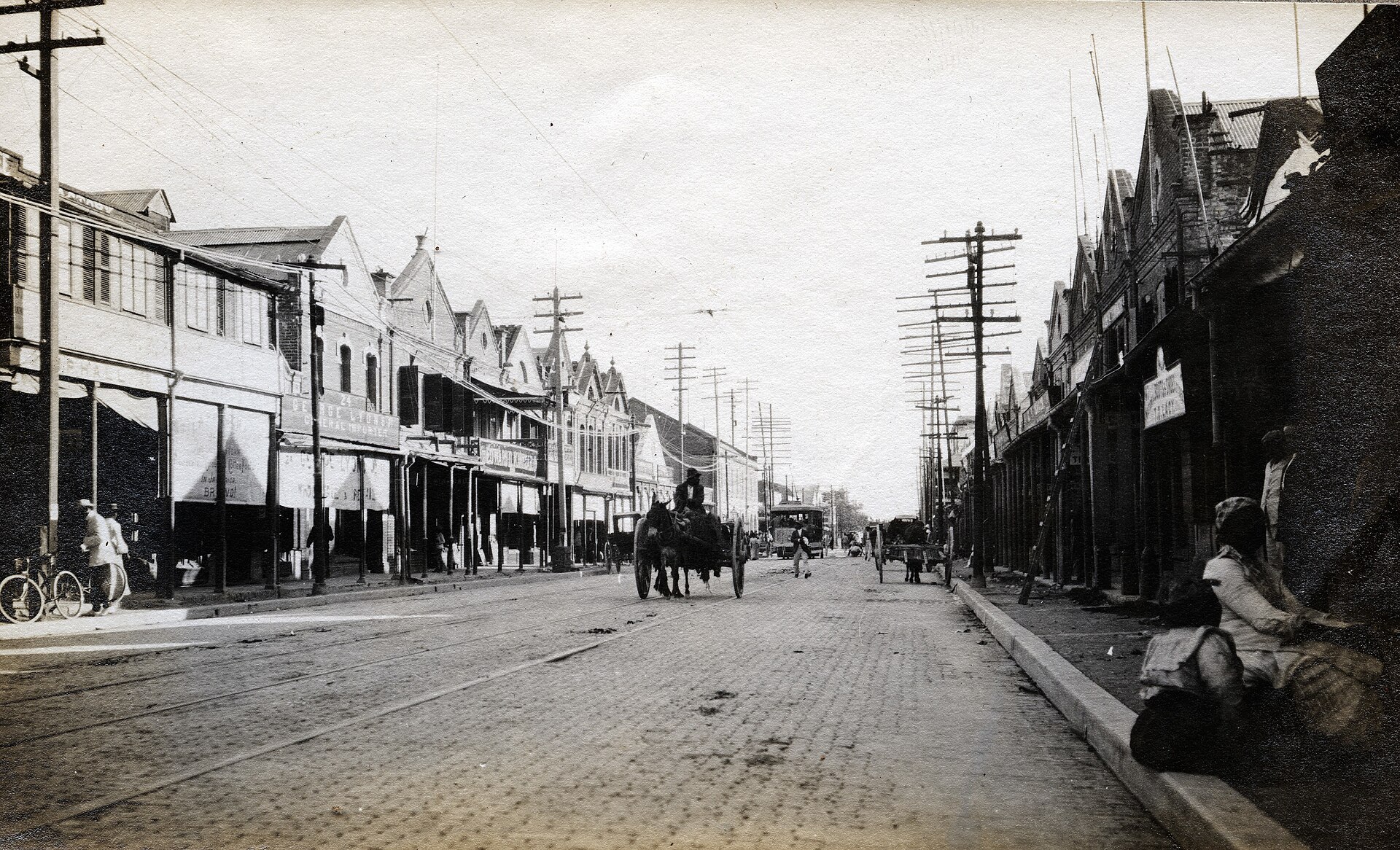
Tourism 3.0 is a plan, not yet a project
The Jamaica tourism rebuild has its own label. Edmund Bartlett, the tourism minister, calls it Tourism 3.0.
He set it out at a media breakfast during JAPEX, the island’s tourism trade show. The venue was the Moon Palace Jamaica hotel in Ocho Rios, on the north coast.
The plan proposes new townships at Black River, Falmouth and Montego Bay. It would relocate vulnerable communities, redesign waterfronts and build new ports.
It also promises better highway connections and a central-island airport described as an “aerotropolis”. Bartlett wants a shift toward low-volume, high-value hotels alongside the big all-inclusive resorts.
“We are going to be reimagining Destination Jamaica,” Bartlett said. He added that service “represents 60 per cent of the value”.
No budget was attached to the Jamaica tourism rebuild. Not one item in the plan carries a published cost.
The airport work that is not part of the plan
One large airport contract is under way in Jamaica, unconnected to Tourism 3.0. Cemex is general contractor on apron reconstruction at Norman Manley International Airport.
That airport serves Kingston, the capital, rather than the north-coast resorts. The client is PAC Kingston Airport Limited, a subsidiary of Mexico’s Grupo Aeroportuario del Pacífico.
The Airports Authority of Jamaica is funding part of it, and the build runs 18 months from September 2026. The work is valued at J$8.2 billion (about US$51.85 million).
Jamaican dollar amounts here use the Bank of Jamaica selling rate on 17 September 2026, about 158 to the dollar.
How far the recovery has come
Jamaica recorded 2.34 million visitors and US$2.5 billion in tourism revenue in the year to 31 August 2026. Arrivals were down 17% and revenue down 18%, Caribbean Journal reported on 4 September 2026.
The townships, ports and airport in the plan remain proposals put to an industry audience. Nothing in Tourism 3.0 has been contracted.
A second bond, with a different job
Jamaica also buys disaster cover in the bond market. The World Bank priced a US$200 million disaster-risk bond for Jamaica on 18 May 2026.
It replaced a 2024 bond that paid Jamaica US$150 million after Melissa. That instrument is separate from the US$1 billion borrowing.
What it means for visitors and investors
For travellers, nothing in the Jamaica tourism rebuild changes a booking made today. The new townships and the aerotropolis are drawings, not construction sites.
For bondholders, the security is the Jamaican state, not any particular hotel. The 6.25% coupon is the price investors put on that risk.
For Jamaica, the two stories run in parallel rather than together. One raised money for the budget; the other is still looking for its funding.
More: Caribbean coverage, every day from The Rio Times.
Frequently Asked Questions
What happened to Jamaica in Hurricane Melissa?
Melissa struck the island in October 2025. Fayval Williams is Jamaica’s Minister of Finance and the Public Service. She has described the damage and loss as more than half of Gross Domestic Product. Tourism has not fully recovered. Jamaica recorded 2.34 million visitors and US$2.5 billion in tourism revenue in the year to 31 August 2026. Arrivals were down 17% and revenue down 18%.
Is the US$1 billion bond paying for the rebuild?
No. The Jamaica Gleaner reported that the proceeds are to retire more expensive bonds bought back earlier in September 2026. The rest funds budget spending in the 2026-27 fiscal year. The money is not earmarked for tourism reconstruction. Tourism 3.0, the rebuild plan announced by the tourism minister, has no published budget for any of its components.
What are the bond’s terms?
The issuer is the Government of Jamaica and the currency is United States dollars. The size is US$1 billion, the coupon is 6.25% and the notes mature in 2037, an 11-year tenor. That is roughly 1.4 percentage points above the yield on United States government debt. The principal is repaid in three roughly equal instalments, with semi-annual interest from 2027. Citigroup and Scotiabank were joint lead underwriters, and the notes are listed on the Euro MTF market of the Luxembourg Stock Exchange.
What is Tourism 3.0?
It is the name Edmund Bartlett, Jamaica’s tourism minister, gave to a set of proposals announced on 16 September 2026. They include new townships at Black River, Falmouth and Montego Bay, plus the relocation of vulnerable communities. The plan also lists redesigned waterfronts, new ports, better highways and a central-island airport. Bartlett also wants a shift toward low-volume, high-value hotels alongside the island’s all-inclusive resorts. No cost has been published for any of it.
Sources: The Jamaica Gleaner on the priced US$1 billion bond, The Jamaica Observer on the 2037 maturity and the spread over US Treasuries, The Jamaica Observer on the Tourism 3.0 proposals, Caribbean Journal on arrivals and tourism revenue, The World Bank on the separate disaster-risk bond, Bank of Jamaica on the daily exchange rate