By The Rio Times | Created at 2026-06-19 17:26:53 | Updated at 2026-06-19 19:42:14
2 hours ago
By The Rio Times | Created at 2026-06-19 17:26:53 | Updated at 2026-06-19 19:42:14
2 hours ago
Markets & Finance · Caribbean
—The headline number. Jamaica drew more than 1.5 million stopover and cruise visitors from January through May 2026, earning about $1.5bn in foreign exchange.
—The verdict. Tourism Minister Edmund Bartlett says the sector has moved beyond recovery and is firmly in a growth phase, eight months after Hurricane Melissa.
—The private bet. Sandals is investing $200m to rebuild and reimagine three resorts, the largest private tourism investment of the current recovery cycle.
—The timetable. Sandals South Coast reopens on November 18, with Sandals Montego Bay and Sandals Royal Caribbean following on December 18, ahead of peak winter travel.
—The capacity gap. About 80 percent of the island’s hotel rooms are back online, with full recovery projected for early 2027.
—The ambition. A new ten-year plan targets 10 million visitors and $10bn in tourism earnings; tourism is roughly 35 percent of the economy.
The Jamaica tourism recovery has crossed a line that matters to investors: eight months after a record hurricane, the island says it is no longer rebuilding but growing, and private money is moving in to back the claim.
Why the Jamaica tourism recovery matters to investors
For a London or Munich investor, Jamaica is a small economy with an outsized dependence on a single sector. Tourism brings in roughly a third of national output, so the speed of its rebound is a proxy for the whole country’s health.
The first five months of the year tell a clear story. More than one and a half million visitors arrived and spent around one and a half billion dollars, a pace that suggests demand has held despite the storm.
That recovery is not just a government talking point. A major operator has committed two hundred million dollars of its own capital, which is the clearest possible signal of confidence in the destination.
From category-five disaster to growth phase
Hurricane Melissa struck in late October 2025 as the strongest storm ever recorded on the island. It tore through the western coast where much of the resort industry sits, damaging tens of thousands of homes and key infrastructure.
The economic hit was severe, with losses estimated at close to a third of annual output. For a tourism-led economy, the danger was that visitors would simply book elsewhere and stay away.
Instead the rebound has been quick. The minister now describes the sector as past its recovery period and into genuine growth, a striking claim so soon after a disaster of this size.
The early signs came fast. Within weeks of the storm the island had already drawn hundreds of thousands of visitors, and most resort towns were trading again by the winter season.
The Sandals bet, and what it signals
Sandals had reopened five of its eight Jamaican properties by December, keeping three closed for assessment. It has since turned that pause into a full rebuild rather than a simple repair.
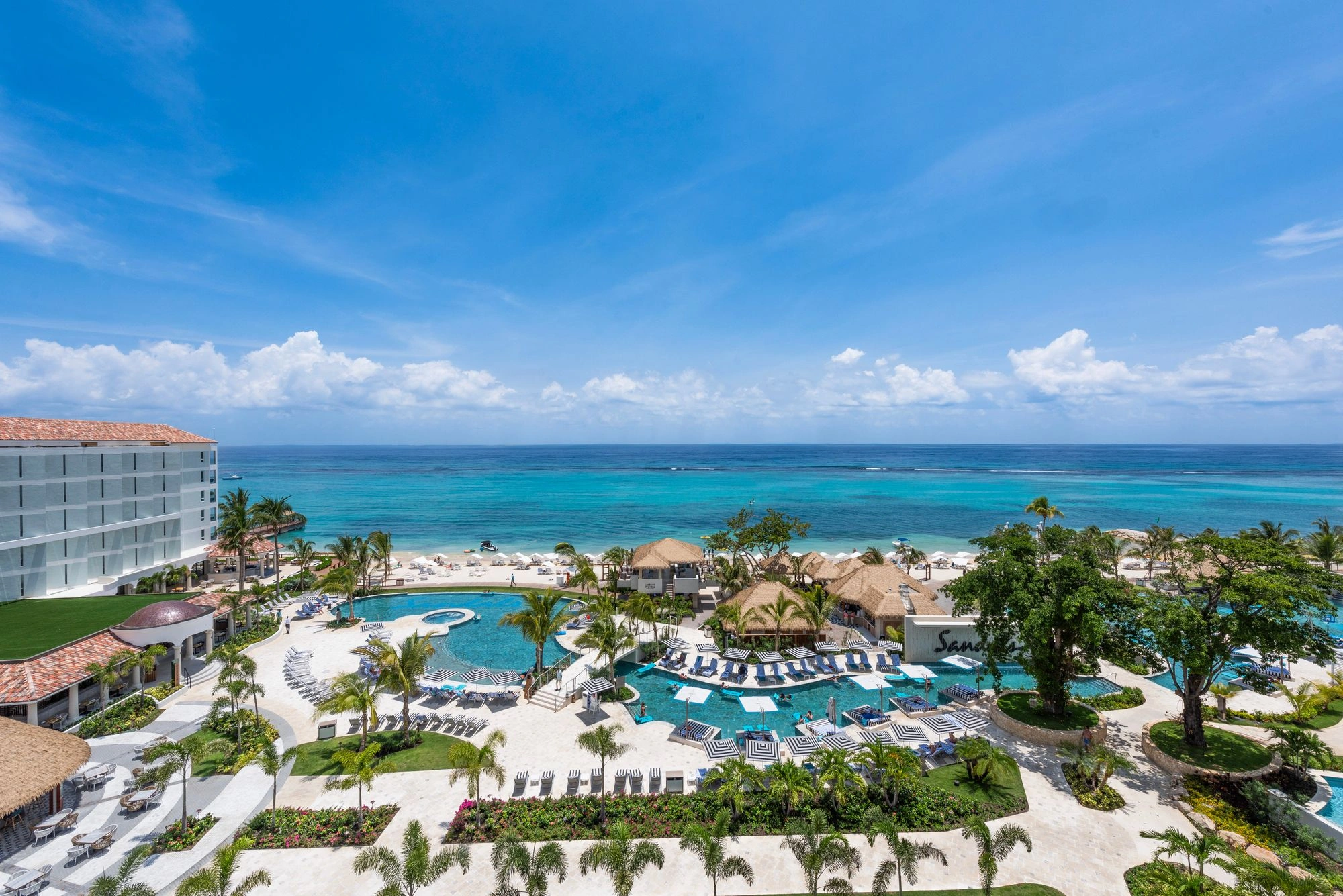
The two-hundred-million-dollar programme covers new rooms, dining concepts and redesigned arrivals, with one property reopening under a new name. The company frames it as the largest private tourism investment of the island’s recovery cycle.
The timing is deliberate. Bringing the three resorts back in November and December restores a large block of premium rooms exactly as the lucrative winter season begins.
Capacity is the constraint to watch. With about four in five hotel rooms operational, the missing inventory is a ceiling on how much more revenue the island can capture before 2027.
Sandals is not the only operator returning. Properties including Bahia Principe and two Princess-branded resorts have resumed business, spreading the recovery across more than one company.
Air access has kept pace as well. Carriers largely held their Jamaica schedules through the disruption, and expanded airlift is one of the planks the government cites behind its growth claim.
A ten-year target with a number attached
The government has paired the rebound with a long-range goal it calls the ten-by-ten-by-ten plan. The target is ten million visitors and ten billion dollars in earnings within a decade.
That is a steep ambition against a 2024 baseline of about four and a half million arrivals and just over four billion dollars. Reaching it would more than double both the visitor count and the foreign exchange they bring.
The stakes reach well beyond hotels. Tourism supports jobs across transport, farming and the creative sector, so the arrivals figure ripples through much of the labour market.
For the wider Caribbean, Jamaica is a bellwether. If a flagship destination can absorb a record storm and still raise its sights, it strengthens the investment case across the region.
Frequently Asked Questions
How strong is the Jamaica tourism recovery in 2026?
The island drew more than one and a half million visitors and earned roughly one and a half billion dollars from January through May. The tourism minister says the sector has moved past recovery into a growth phase.
How much is Sandals investing in Jamaica?
Sandals is putting about two hundred million dollars into rebuilding and reimagining three resorts. They reopen in November and December of this year, ahead of the peak winter season.
How badly did Hurricane Melissa hit Jamaica?
Melissa struck in late October 2025 as the strongest storm on record for the island, with losses estimated near a third of annual output. About eighty percent of hotel rooms are now back online.
The Rio Times · Power Map
See who really holds power in Latin America
Click to open the Power Map →