By The Rio Times | Created at 2026-10-05 22:46:44 | Updated at 2026-10-05 23:27:54
1 hour ago
By The Rio Times | Created at 2026-10-05 22:46:44 | Updated at 2026-10-05 23:27:54
1 hour ago
ELECTIONS · PERU
Key Facts
- —The country Peru is an Andean nation of about 34 million people and one of the world’s biggest copper producers. Its capital, Lima, is by far its biggest city.
- —Why it matters Lima’s mayor runs the city that hosts the headquarters of Peru’s banks and mining firms. A close, contested result can leave the post in limbo for weeks.
- —Why now At 4:07 p.m. Lima time on Monday 5 October, ONPE, the national election office, had processed all of Lima’s 26,351 tally sheets and counted 92.699% of them (ONPE, via El Comercio).
- —The gap Renovación Popular led Avanza País by 27.703% to 26.841% of valid votes, about 44,900 votes. A further 1,924 sheets, or 7.301%, sit with the special election juries known as JEE.
- —The unknown Press estimates put the votes on those sheets at about 400,000, far more than the lead. ONPE has not published its own figure.
- —Prediction markets Polymarket gives López Aliaga a 92.0% chance of becoming mayor and Francis Allison 3.0% (5 October, 5:51 p.m. ET; about US$489,000 traded). Kalshi, regulated in the US by the CFTC, last traded López Aliaga at 98% in a thin market. These are bets, not polls.
- —What happens next For the regional elections the JNE ordered ONPE to hand observed sheets to the juries by Sunday 11 October and set Wednesday 28 October as the limit for recounts. No separate date is published for Lima.
Lima’s next mayor is not decided, even though ONPE has processed every tally sheet. The list of former mayor Rafael López Aliaga leads by about 44,900 votes. But 1,924 sheets that ONPE could not count are with election juries, and they probably hold more votes than the lead.
For US readers, this is a story about timing and trust. Lima is Peru’s business capital, and a contested result can delay the start of a new city government on 1 January. The country’s mining and fiscal policy is set nationally and does not change with this vote.
This explainer sets out how the juries decide, what the deadlines are and what could still change the order. Our earlier reports cover the count itself (López Aliaga list leads the Lima count by 0.86 points) and the regional picture (Peru election results page).
Why 1,924 Sheets Decide the Question
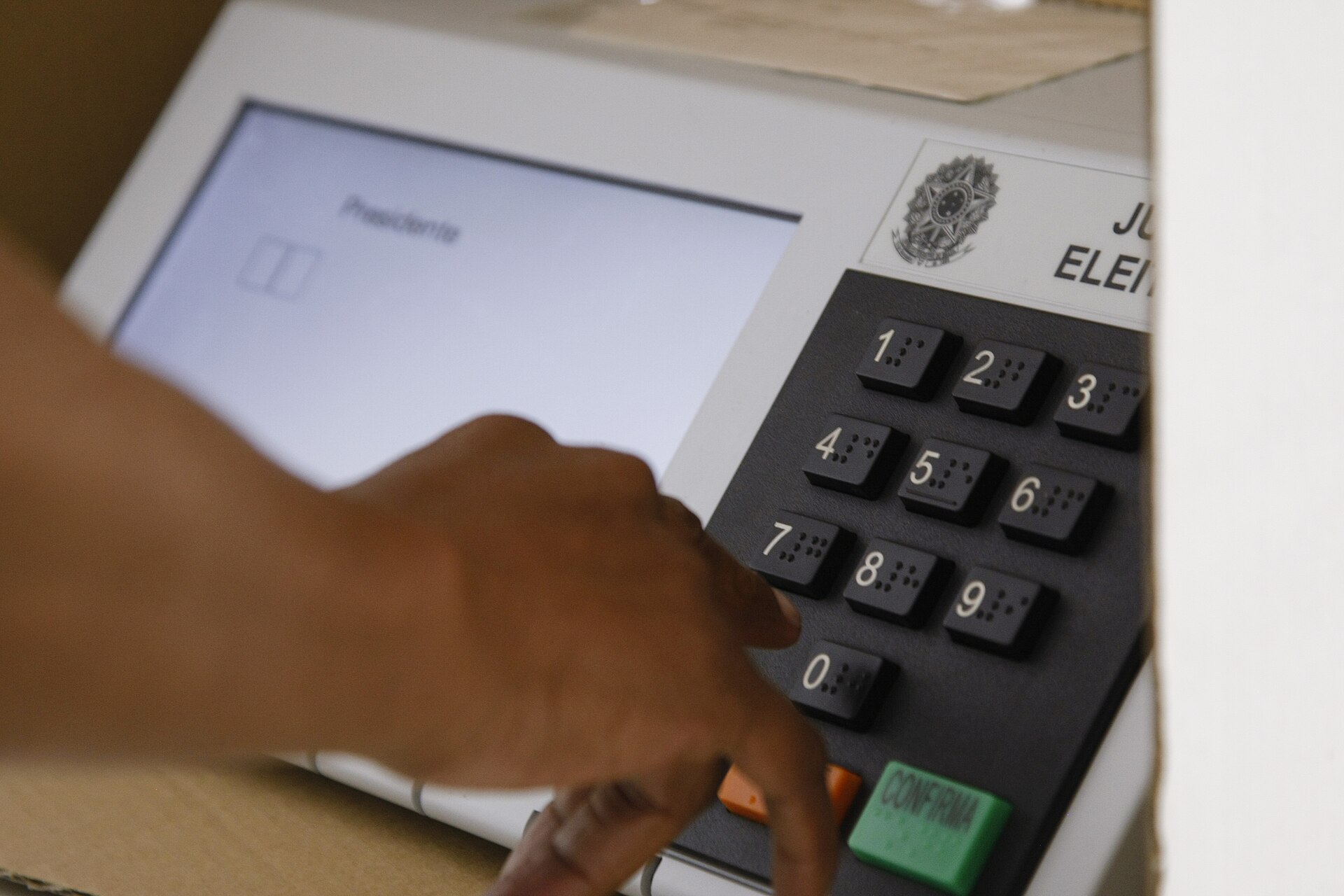
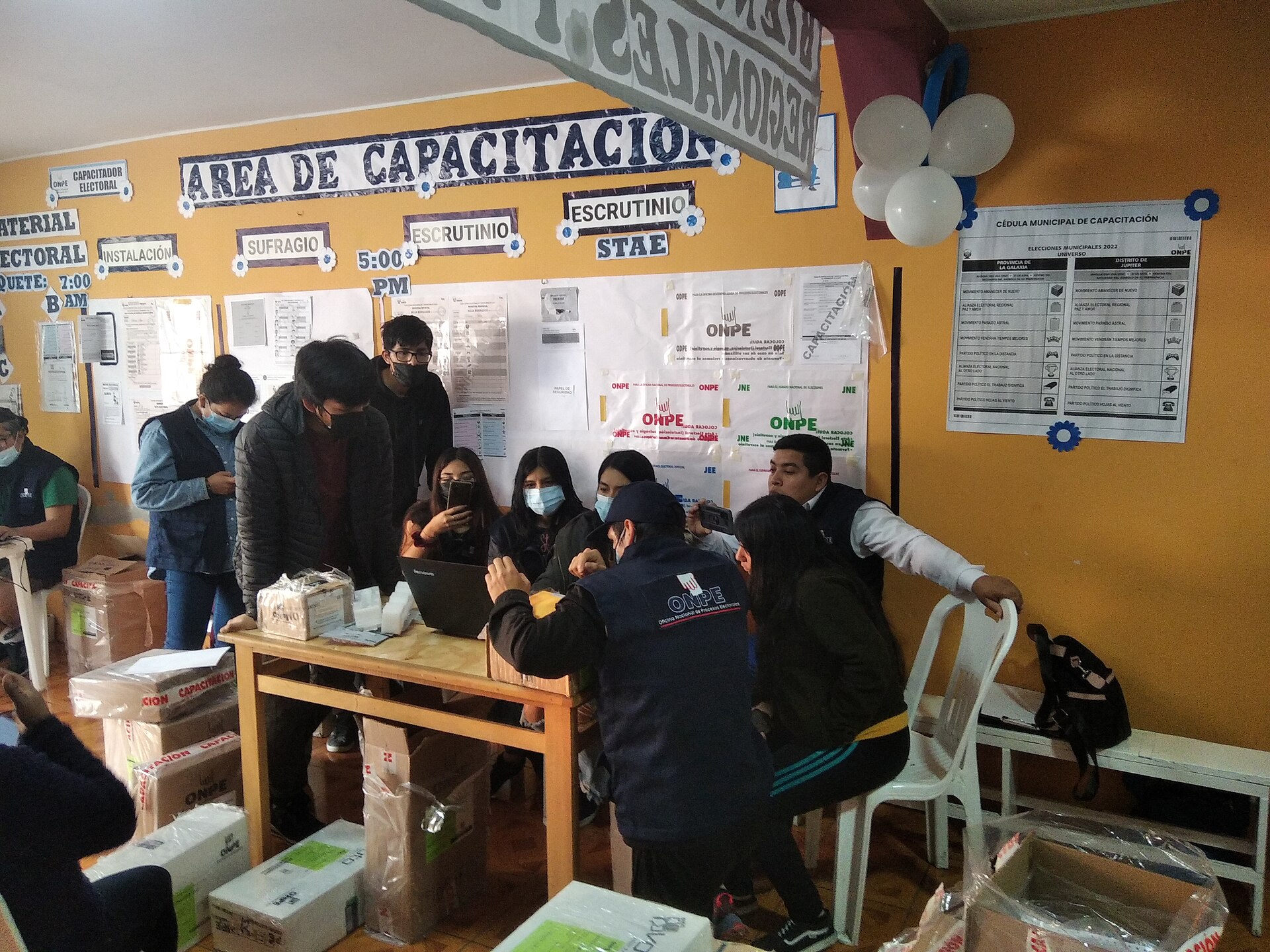
A tally sheet, called an acta in Spanish, records the votes cast at one polling table. ONPE processes each sheet and adds it to the count if the figures are consistent.
When a sheet is observed, ONPE does not count it. The reasons include arithmetic errors, illegible or missing figures, missing signatures and challenged votes. ONPE sends such sheets to the special election juries (JEE), which are local panels of judges.
In Lima, 7.301% of the 26,351 sheets went to the juries. That is 1,924 sheets. ONPE reports the other 24,427 as counted.
At the average of the sheets already counted, 1,924 sheets would hold roughly 410,000 valid votes. That is an estimate derived from ONPE totals and in line with press estimates of about 400,000. It is not an official figure. Some sheets may be annulled, which would shrink the pool.
To close a gap of about 44,900 votes, Francis Allison would need to beat the López Aliaga list by about 11 points among those votes. Nothing in the data seen so far shows that. But the sheets have not been opened, and ONPE has not said which districts they come from.
Follow this story
Get an email when there’s news on Lima mayor (Peru)
Free. One email a day at most, and only when there is news. This also signs you up to our weekday newsletter, The LatAm Brief. Nothing arrives until you click the confirmation link, and you can stop either with one click. Privacy policy.
How the Election Juries Decide
Each jury first tries to fix the problem on paper. It compares the copies of the sheet held by ONPE, the jury and the party observers. If the copies agree, the jury corrects the sheet and returns it to ONPE to be counted.
If the copies cannot settle the error, the jury can order a recount. The ballots are then counted one by one in a public hearing. Prosecutors and party observers, known as personeros, may attend. The JNE rules for this election are the first to use recount hearings in a regional and municipal vote, according to RPP.
The calendar is tight. For the regional elections, the national electoral court (JNE) ordered ONPE to hand all observed sheets to the juries by Sunday 11 October. The court set Wednesday 28 October as the limit for recount hearings, and Burneo repeated it on 5 October. Hearings are expected to start in the second week of October, an electoral-court spokesman told RPP. The JNE has published no separate calendar for Lima.
Appeals and the Date of the Result
Parties can appeal a jury’s decision to the JNE plenary, Peru’s top electoral court. Its rulings are final. The Lima Centro jury then proclaims the winner of the municipal race, and that proclamation can be appealed as well.
ONPE must count 100% of the sheets before a winner can be proclaimed. Roberto Burneo, the JNE president, said results for regional and local governments could come in early November. He did not give a date for Lima.
There is no runoff for mayor. The list with the most valid votes wins, however small the margin. Governors, by contrast, need 30% of valid votes to avoid a second round on Sunday 29 November. See our full list of the runoff regions.
The Credential Question
A second question sits on top of the count. López Aliaga was mayor of Lima from January 2023 to October 2025. Peru bars immediate re-election of mayors, so he ran as the list’s first councillor.
The JNE confirmed his candidacy, but it has not said whether he would receive the mayor’s credential if his list wins, or who would decide. The Lima Centro jury proclaims the winner, and its decision can be appealed to the JNE plenary. Under the municipalities law, the first councillor replaces a mayor who cannot serve.
López Aliaga has pressed the court on the credential. Burneo said, without naming him, that nobody can threaten the court (La República). Critics argue that if the credential were denied, the next name on the list, councillor Jeanette Alonzo, would take office.
Allison has said he will respect the outcome. “If the results are confirmed, I have to look for him and congratulate him,” he told reporters, according to Gestión. He has also said the challenged sheets could hold the difference, and he named the district of Ate as an example (Caretas, Correo). He has not alleged fraud. Read who Francis Allison is.
What Prediction Markets Say
On Polymarket’s “Lima Mayoral Election Winner” market, bettors gave López Aliaga a 92.0% chance and Allison 3.0% at 5:51 p.m. ET on 5 October, with about US$489,000 traded. Kalshi, regulated in the US by the CFTC, last traded López Aliaga at 98% in a thin market, with about 59,000 contracts traded. Both markets treat the gap of under one point as hard to close. They also price in the legal risk for López Aliaga less than the count itself, so we show them with caution.
Why we show this: prediction markets turn real-money bets into a live probability that moves within minutes of the news, which is why investors, campaigns and newsrooms in the United States now follow them closely. We show them next to polls and official results, never instead of them.
What It Means for US Readers
A delayed result in Lima does not change Peru’s mining rules or tax policy. Those sit with the national government and Congress. US-listed Peruvian names such as Credicorp and Southern Copper move on copper prices and national policy.
The city does matter for companies working in the capital. The mayor runs roads, public transport and local permits. Lima’s city hall owes about S/5.05 billion (about US$1.47 billion), according to the fiscal council, and the next mayor inherits that debt. For travellers and expatriates, the dispute remains a legal contest. The incumbent city government stays in office until 1 January.
What Is Not Known
ONPE has not published how many votes the 1,924 sheets contain or which districts they come from. Allison’s claim of strong results in Ate has not been independently confirmed. No date has been set for proclaiming Lima’s result. The JNE has not said who will decide the credential question or when. We could not read ONPE’s own results portal, which blocks automated access, so all counts come from ONPE figures published by Peruvian media.
Who is winning the Lima mayor race?
At 92.699% of tally sheets counted on 5 October, Rafael López Aliaga’s Renovación Popular list led Francis Allison’s Avanza País list by 27.703% to 26.841% of valid votes, about 44,900 votes. No winner has been declared.
What are the JEE and why do they matter?
The JEE are special election juries, local panels of judges. They resolve tally sheets that ONPE could not count. In Lima 1,924 sheets, or 7.301%, went to them, probably holding more votes than the current lead.
When will the Lima result be official?
No date is set for Lima. For the regional elections, ONPE must pass observed sheets to the juries by Sunday 11 October, and recount hearings end by Wednesday 28 October. The JNE president expects results in early November. Appeals go to the JNE.
Is there a runoff for mayor of Lima?
No. The list with the most valid votes wins, however small the margin. Runoffs apply only to regional governors, in regions where no ticket reaches 30% of valid votes.
Can López Aliaga take office as mayor?
That is not settled. He ran as first councillor because mayors cannot be immediately re-elected. The JNE confirmed the candidacy but has not said whether he will receive the mayor’s credential or who decides.
Sources
El Comercio (ONPE count, 5 Oct 2026, 4:07 p.m.); Altavoz (1,924 observed sheets); Peruinforma (JNE deadline 11 October); RPP (how recounts work); Infobae Perú (credential); Gestión (Allison); La República (ONPE count, Burneo); Polymarket (Lima mayoral market); Kalshi (Lima mayor market) Also: JNE, ONPE, RT (S/ to US$ rate 3.44).
This article was produced by The Rio Times’ automated newsroom system. How we use AI · Report an error · Editorial responsibility: Matthias Camenzind, Editor-in-Chief
Frequently Asked Questions
The Rio Times · Power Map
See who really holds power in Latin America
Click to open the Power Map →