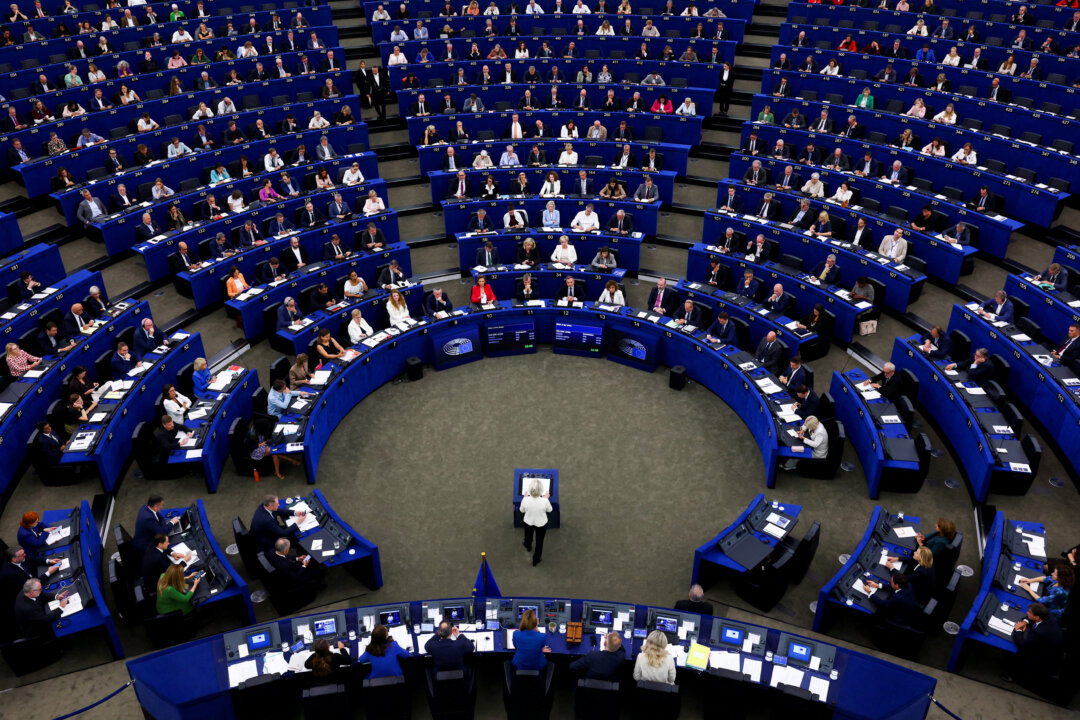
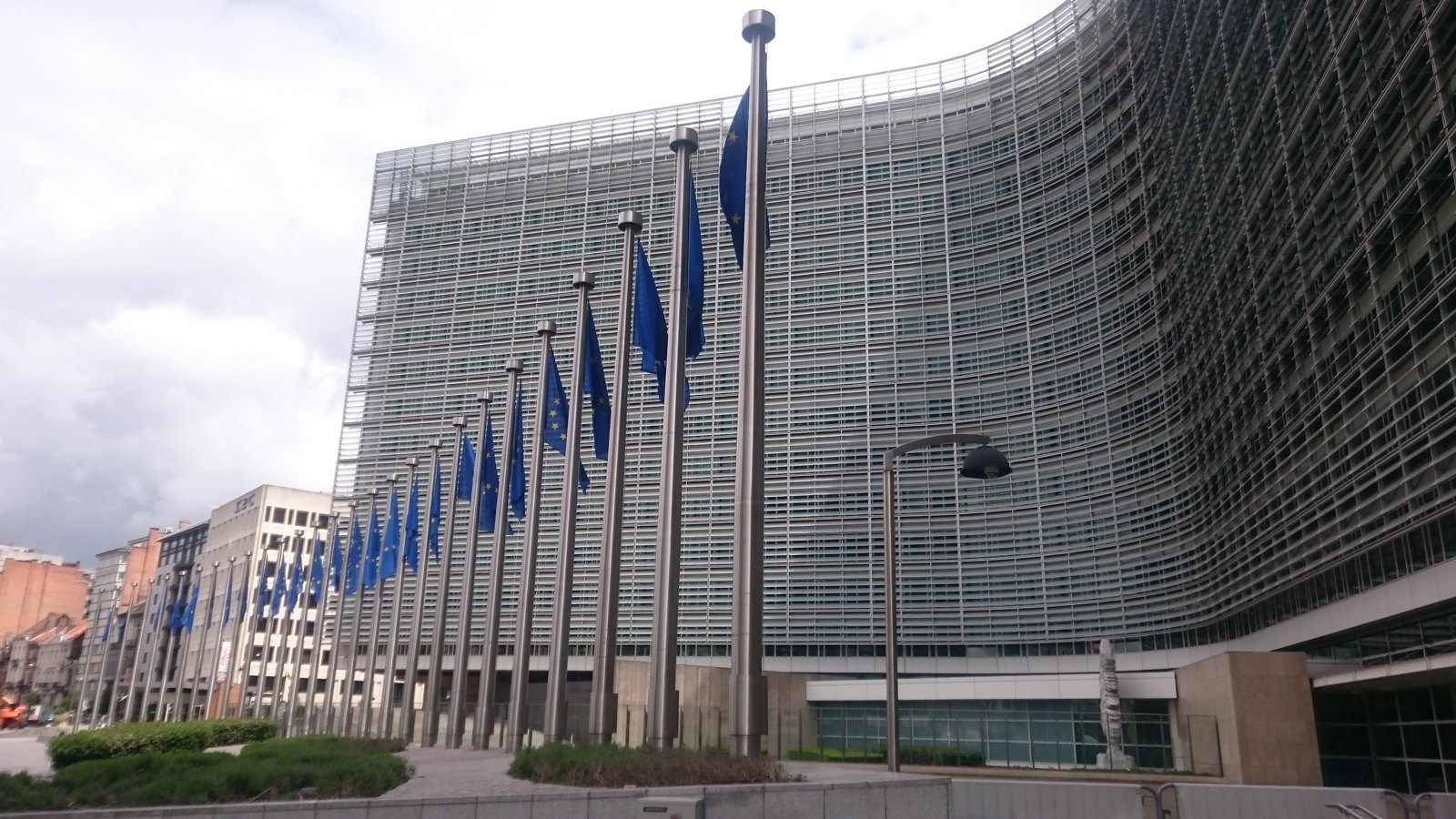
A new poll has delivered what the German daily Die Welt called “a devastating testimony for Europe.” Nearly 70 percent of respondents across six countries rate the European Union negatively, describing a sense of “general decline or loss of normalcy.” The study, a joint project of the European Council on Foreign Relations and the European Cultural Foundation, found skepticism running highest in France, Germany, and Italy, the bloc’s three largest economies.
Economic Anxiety
Nearly half the respondents could not name a single political figure they trusted to lead the EU forward. Top-cited anxieties were the war in Ukraine, the perceived threat of a wider war with Russia, and economic decline. More than 40 percent of Italians and 23 percent of Poles said they feared losing their prosperity. One young respondent described feeling “terribly ashamed” of what he saw as the EU’s capitulation in its 2025 tariff deal with the Trump administration, in which European tariffs on nearly all U.S. goods dropped to zero while the U.S. retained a 15-percent tariff on European exports.
That economic anxiety was on full display just weeks earlier, when European Commission President Ursula von der Leyen told a Paris business audience that roughly €10 trillion ($11 trillion) sitting in European household bank accounts was “idle” (“lazy,” in her original phrasing) and needed to be “put to work” for European companies. Her proposed vehicle, the “Savings and Investments Union,” would rely on securitization, expanded bank and insurance investment rules, and deeper market supervision to unlock what she estimated could be up to €470 billion (more than $500 billion) in additional investment. Commission officials insist participation would remain voluntary, but critics see Brussels eyeing private wealth to patch the holes left by a faltering industrial base and the loss of cheap energy.
German Industry in Decline
Nowhere is that faltering base more consequential than in Germany, the EU’s largest economy and its traditional financial engine. On September 6, the Alternative for Germany (AfD) won an outright 43.8 percent of the vote in the Saxony-Anhalt state election — the first such win for a right-wing party in Germany since the founding of the Federal Republic in 1949 — as Chancellor Friedrich Merz’s Christian Democrats collapsed from 37.1 percent to 17.2 percent.
German industry has been squeezed by high energy costs, slow permitting, and a car-production decline of roughly four percent this year, pressures widely tied to the loss of cheap Russian pipeline gas after 2022. The AfD has floated leaving the EU outright if it gains sufficient national power. Its leader, Alice Weidel, said, “We will leave the European Union. We don’t need the EU. We will send back illegal immigrants, and increase border security.”
Can the EU survive the loss of its keystone? Only time will tell.
This article is part of The New American’s weekly online newsletter Insider Report, which is emailed to TNA subscribers each week. Click here to subscribe to The New American to receive the Insider Report and access exclusive content.