By The Rio Times | Created at 2026-08-06 06:52:00 | Updated at 2026-08-06 08:27:57
2 hours ago
By The Rio Times | Created at 2026-08-06 06:52:00 | Updated at 2026-08-06 08:27:57
2 hours ago
Mali · Politics
Key Facts
- Release. Former prime minister Moussa Mara walked free on Saturday, 1 August, after serving the one-year custodial part of a two-year sentence.
- The case. He was convicted over a social-media post expressing solidarity with jailed government critics he called prisoners of opinion.
- The sentence. A Bamako cybercrime court gave him two years, one firm, plus a 500,000 CFA franc fine in October 2025, upheld on appeal in February 2026.
- First message. In a video after his release, Mara called for national unity, reconciliation and empathy, and said he forgives his jailers.
- Unresolved. Mara’s lawyer, Mountaga Tall, has been missing since masked men abducted him from his home in early May.
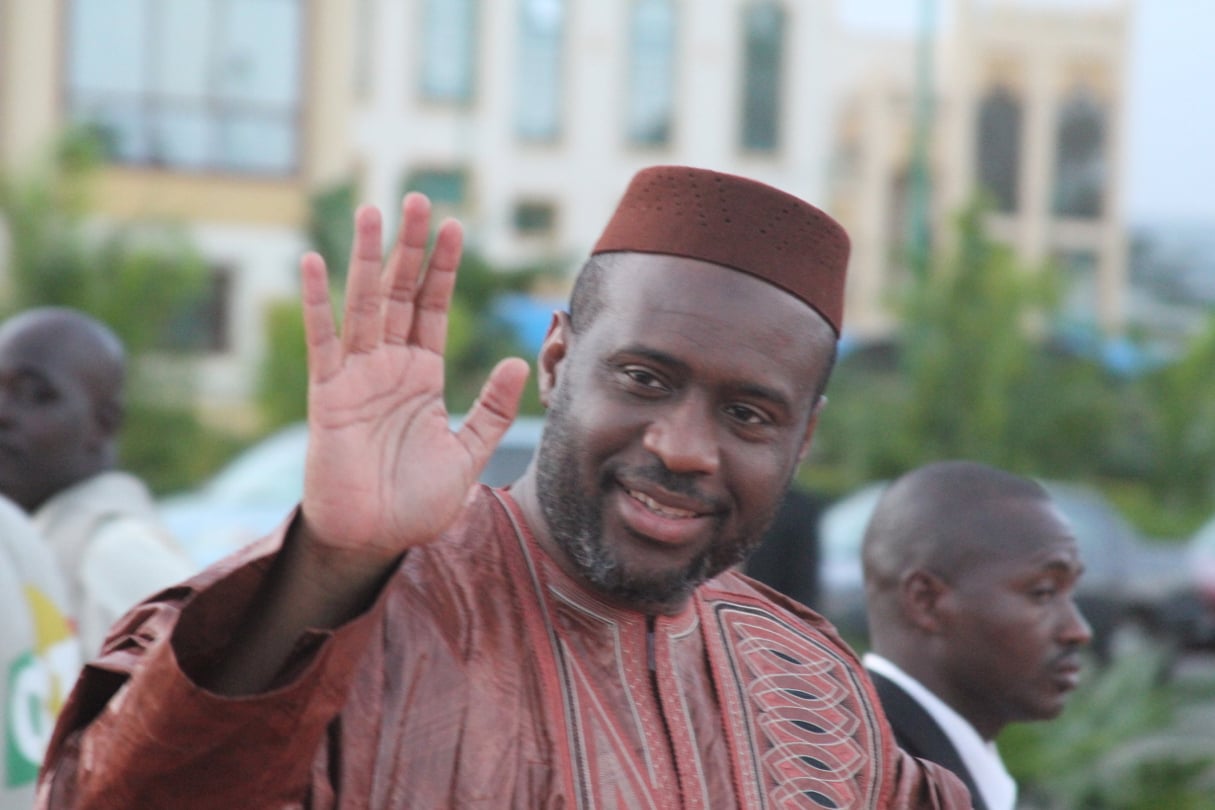
The Moussa Mara release closes one of the most watched political cases in Mali’s transition. The former prime minister left Koulikoro prison on 1 August after twelve months behind bars for a single social-media post, and immediately called for reconciliation.
One-stop reference
Company Intelligence
Every listed company in Latin America — financials, ownership and structure for 1,450+ companies across 26 exchanges, in one place.
Relatives, political figures and supporters gathered at his family home in Bamako’s Commune 4 district to welcome him back. His party, Yéléma, confirmed the release alongside a judicial source.
Mara had been held at the Central House of Arrest in Koulikoro, some 60 kilometres from the capital, since his arrest on 1 August 2025. He served the custodial portion of his sentence in full, to the day, and his homecoming drew rare scenes of public celebration in a capital where political gathering has become risky.
The post that cost a year
The case began with a message on X on 4 July 2025. Mara wrote that he had visited several detained politicians and civil society figures, described them as prisoners of opinion and declared his unwavering solidarity with them.
Prosecutors charged him with harming the credit of the state, incitement to disturb public order and opposition to legitimate authority. He was arrested exactly one year before his release.
On 27 October 2025, Bamako’s national cybercrime unit sentenced him to two years in prison, one of them firm, and a fine of 500,000 CFA francs. The Bamako Court of Appeal upheld the verdict in full on 9 February 2026, and his lawyers announced an appeal to the Supreme Court.
The prosecution of a former prime minister over a single post became a benchmark case for the state of free expression under the transition. Human rights organisations cited it repeatedly as evidence of a closing civic space.
A call for unity, not revenge
Mara’s first public words as a free man were conciliatory. In a video posted on Facebook a day after his release, he urged Malians to show greater compassion towards one another and prayed for true unity and genuine reconciliation.
“I forgive, and forgive me,” he said, stressing the importance of truth in rebuilding the country. The tone was notable in a political climate defined by arrests and disappearances.
He used the same address to raise the case of his own lawyer. Me Mountaga Tall, a fellow politician, has not been seen since armed, masked men abducted him from his home in early May.
Politics without parties
Mara’s future is uncertain because Mali’s political arena no longer formally exists. A presidential decree of 13 May 2025 dissolved all political parties and political organisations, after an earlier decree suspended their activities.
Mara is not the only former head of government caught in the machinery. Choguel Maïga, who served as prime minister of the transition itself, has also been detained, a sign that proximity to power offers no protection once dissent is suspected.
An accountant by training, Mara founded the Yéléma party and became Mali’s youngest prime minister at 39 in 2014. His year in office was marked by austerity disputes and ended in a cabinet reshuffle, but he remained one of the country’s most recognisable civilian politicians.
The authorities have also postponed elections indefinitely, extending a transition born of coups in August 2020 and May 2021. Mara, prime minister from April 2014 to January 2015 under Ibrahim Boubacar Keïta, was one of the few public figures still openly criticising General Assimi Goïta’s government.
Neither Mara nor his supporters have said whether he intends to return to active politics. The suspended second year of his sentence hangs over any decision, and similar pressures are remaking the wider Sahel, as The Rio Times examined in its report on Ibrahim Traoré’s reality test in Burkina Faso and in its West Africa coverage.
What to watch
First, the Supreme Court appeal. A hearing would test whether the judiciary retains any independent room for manoeuvre on speech cases.
Second, the fate of Mountaga Tall. Mara has made his missing lawyer a public cause, which keeps enforced disappearances on the national agenda.
Third, any signal on elections. A reconciliatory former prime minister with fresh moral authority is a figure the transition will struggle to ignore, inside the broader New Scramble for Africa in 2026.
Frequently asked questions
Why was Moussa Mara in prison?
Moussa Mara was convicted over a July 2025 social-media post expressing solidarity with jailed government critics he called prisoners of opinion. He was sentenced to two years in prison, one firm, for harming the credit of the state and related charges.
When was Moussa Mara released?
He was released on Saturday, 1 August 2026, from the Central House of Arrest in Koulikoro, near Bamako. He had served exactly twelve months, the full custodial part of his sentence.
What did Moussa Mara say after his release?
In a Facebook video he called for national unity, reconciliation and empathy, and said he forgives his jailers. He also expressed concern for his lawyer Mountaga Tall, who was abducted by masked men in early May and remains missing.
Can Moussa Mara return to politics in Mali?
His future is unclear. Mali’s military authorities dissolved all political parties in May 2025 and postponed elections indefinitely, and the suspended second year of his sentence remains in force.
This article was produced by The Rio Times’ automated newsroom system. How we use AI · Report an error
The Rio Times · Power Map
See who really holds power in Latin America
Click to open the Power Map →