By The Rio Times | Created at 2026-06-10 11:52:01 | Updated at 2026-06-12 11:08:13
1 day ago
By The Rio Times | Created at 2026-06-10 11:52:01 | Updated at 2026-06-12 11:08:13
1 day ago
Metropole · Sport
Key Facts
— The moment. Lionel Messi, 38, came off the bench and scored within two minutes in Argentina’s final warm-up before the World Cup.
— The record. He became the oldest player ever to score for Argentina, passing a mark set in 1957.
— The man he passed. Angel Labruna, a River Plate legend, had held it for nearly seventy years.
— The subplot. A hamstring strain had cast doubt over whether Messi would even feature.
— The tally. It was his 117th goal for Argentina in a record 199 appearances.
— The finality. This is widely expected to be the last World Cup of his career.
A new Messi record fell on the eve of the World Cup: at 38, scoring within minutes of coming off the bench, Lionel Messi became the oldest man ever to score for Argentina, erasing a mark the great Angel Labruna had held since 1957.

Two touches, a penalty, and history
It took him almost no time at all. Argentina were already cruising past Iceland in a friendly in Auburn, Alabama, the team’s last tune-up before the World Cup opens this week, when Lionel Messi rose from the substitutes’ bench in the second half. He had been on the field for barely two minutes when he stepped up to a penalty and scored. On only his second touch of the ball, the goal was in, the net rippling and a US college-football stadium roaring at the mere sight of him warming up earlier.
For Argentina it sealed a comfortable win. For the record books it was something rarer. At 38 years old, Messi had just become the oldest player ever to score for his country, and in doing so he reached back almost seventy years to dislodge one of the most romantic names in Argentine football.
Who was Angel Labruna?
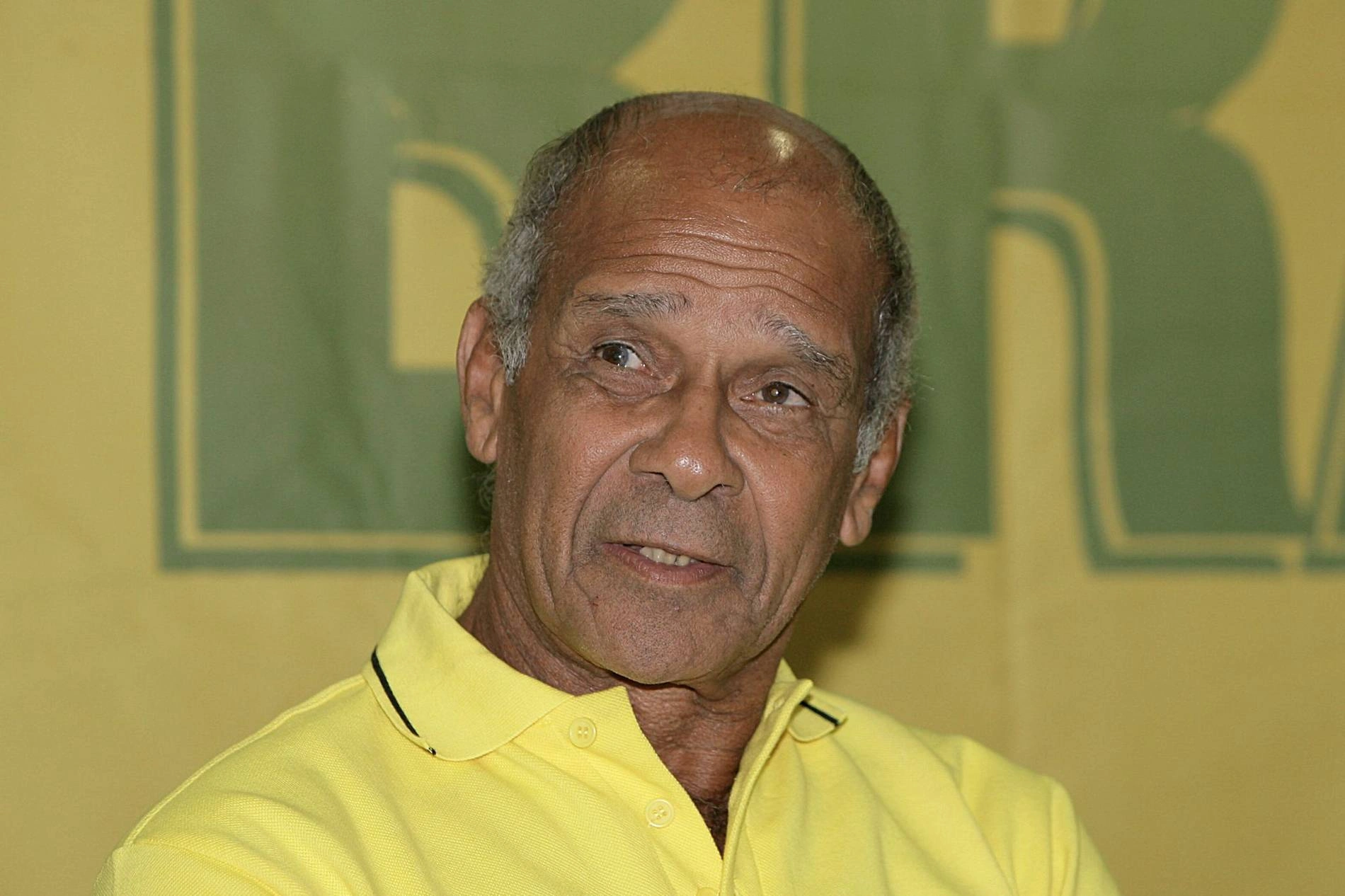
This is where the story leaves the headlines behind, because the man Messi passed is barely known outside Argentina, and he deserves to be. Angel Amadeo Labruna was a forward for River Plate, one of Buenos Aires’s two giant clubs, and he is woven into the fabric of the Argentine game in a way few players ever manage. Nicknamed El Feo, “the ugly one,” and later El Eterno, “the eternal one,” he played twenty years for River, won nine league titles, and retired as the club’s all-time top scorer with more than three hundred goals, a tally that still places him second in the history of Argentine top-flight football.
Above all, Labruna was the heartbeat of a side so beautiful it earned a nickname of its own: La Maquina, “the machine.” Through the 1940s, River’s forward line of Munoz, Moreno, Pedernera, Labruna and Loustau played a flowing, almost telepathic style that older Argentines still speak of with awe, the way the English remember the great Brazilian sides. Labruna was the deadly finisher in that band, and decades later, as a coach, he returned to end an eighteen-year title drought for River, sealing his place as perhaps the club’s single greatest figure. A bridge over the railway by River’s stadium carries his name; a statue stands in his honour.
The Messi record and the year 1957
Labruna’s mark was set on 7 July 1957, when he scored for Argentina against Brazil at the Maracana stadium in Rio de Janeiro, aged 38 years, nine months and a handful of days. To grasp how long ago that was, consider that later the same year the Soviet Union launched Sputnik, the first satellite to orbit the Earth, and the space age began. The record had stood, untouched, ever since.
That it survived so long is itself telling. Footballers rarely play international matches deep into their late thirties, let alone score in them. Labruna himself was an exception, going on to appear at the 1958 World Cup in Sweden at nearly forty, then the oldest Argentine ever to play at a World Cup. For a record built on sheer longevity to be broken, the game essentially had to wait for another player willing and able to keep performing at the very top long past the usual finish line. It got one in Messi, who at 38 years and eleven months edged past Labruna by a margin measured in weeks.
The hamstring that nearly changed the script
The goal carried extra weight because, days earlier, it was not certain Messi would be fit to take the field at all. He had picked up a hamstring strain, the kind of muscle injury that is both common and treacherous for ageing players, since it tends to recur and can linger for weeks. With the World Cup days away, every training session and team announcement had been read for clues about his condition. Coming off the bench against Iceland was, in effect, a controlled test of that hamstring, and passing it, then scoring, was the reassurance a nation had been waiting for.
For Argentina, the defending champions, Messi’s fitness is not a detail but the whole story. The team is built to give him the ball in dangerous areas; without him, it is a good side, with him, a feared one. The sight of him scoring on his return, however gently the opponent, calmed nerves across the country.
A quiet sense of an ending
What gives the moment its glow is the knowledge that it is nearly over. Messi has said in various ways that this, his sixth World Cup, an unprecedented number for any player, is almost certainly his last. He has already won the trophy, lifting it in 2022 after a career-long pursuit, so he arrives this time with nothing left to prove and a little time left to enjoy. Each record now reads like a farewell note: the most appearances, the most goals, and now the oldest scorer, a man rewriting the edges of what a footballer’s late career can look like.
There is a neat symmetry, too, in which record he chose to break. Labruna’s was a monument to endurance, to a player who simply refused to stop being useful. Messi, by outlasting it, joins him in that small, stubborn club of footballers who kept going long after the calendar suggested they should not. One did it in the black-and-white of 1957; the other under the floodlights of an American stadium, days before saying goodbye to the only stage that ever truly tested him.
The headline will travel the world by morning. The deeper story, the one that links a 38-year-old in Alabama to a River Plate idol at the Maracana, belongs to Latin American football, and it is the better story by far.
Frequently Asked Questions
What Messi record was broken?
At 38, Lionel Messi became the oldest player ever to score a goal for Argentina. He did so in a friendly against Iceland, the team’s final warm-up before the 2026 World Cup, after coming on as a substitute.
Whose record did he break?
He passed Angel Labruna, a River Plate great who scored for Argentina against Brazil in 1957 aged 38 years and nine months. The mark had stood for almost seventy years.
Is this Messi’s last World Cup?
Messi has indicated this is expected to be his sixth and final World Cup, a record number of appearances for any player. He won the tournament with Argentina in 2022.
Connected Coverage
South America’s Six Teams at the 2026 World Cup
Brazil World Cup Matches May Pump $47m Into Rio Economy
The Rio Times · Power Map
See who really holds power in Latin America
Click to open the Power Map →