By The Rio Times | Created at 2026-10-05 10:26:57 | Updated at 2026-10-05 11:23:53
1 hour ago
By The Rio Times | Created at 2026-10-05 10:26:57 | Updated at 2026-10-05 11:23:53
1 hour ago
MEXICO · ECONOMY
Key Facts
- —The country Mexico is Latin America’s second-largest economy and sends most of its exports to the United States.
- —What happened On Thursday, 1 October 2026, Banco de México (Banxico), the central bank, published its monthly survey of private-sector economists. They now expect 1.4% growth in 2026, up from 1.3% a month earlier.
- —Who is who The survey polled 42 domestic and foreign analysis and consulting groups between 15 and 28 September 2026. It reports expectations, not official forecasts.
- —Why now Expected 2026 year-end inflation fell to 3.87% from 3.90%. The peso is trading near 18.2 per US$1 (RT, 5 October), weaker than the 17.50 the analysts expect at year-end.
- —What it means for you A steadier Mexican economy supports US exporters, ADR holders and companies with Mexican plants. The upgrade is small and the risks the analysts name have not gone away.
- —Still open Mexico’s September inflation figure, due on Thursday, 8 October 2026, and the minutes of Banxico’s last rate meeting, due the same day.
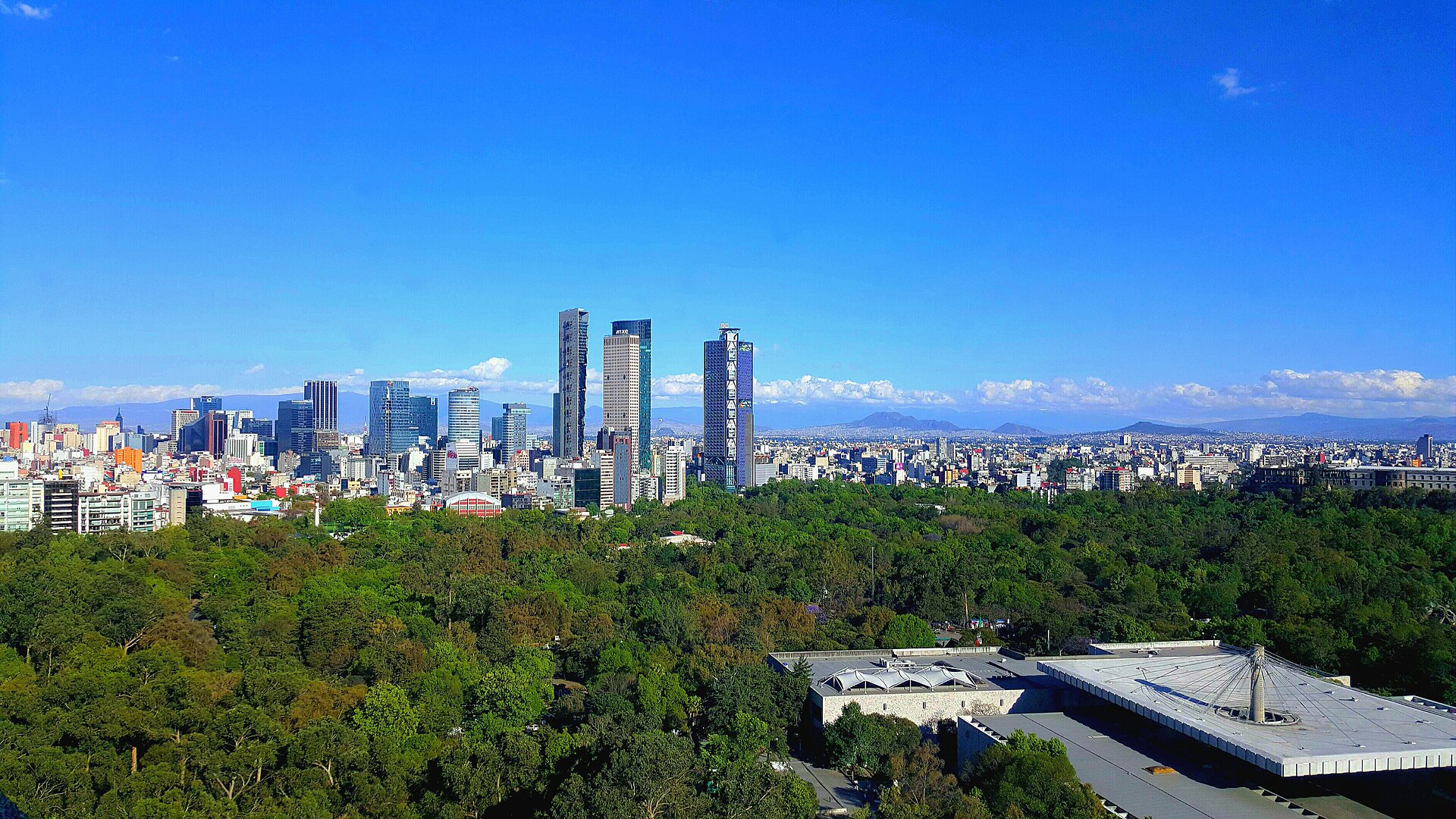
Private-sector economists polled by Banxico now expect Mexico’s economy to grow 1.4% in 2026, up from 1.3% in the previous survey. The central bank published the results on Thursday, 1 October 2026. For US readers, the number matters because Mexico buys and sells more goods with the United States than with any other country.
Mexico’s national statistics institute, INEGI, reported on 24 August 2026 that the economy grew 1.4% in the second quarter. That was 1.9% above a year earlier. The new survey suggests analysts see the rest of the year holding roughly that pace. The upgrade is one tenth of a percentage point, so it signals stability rather than acceleration.
What the September Survey Shows
Banxico asks dozens of banks, brokers and consultancies for their forecasts every month. The September round covered 42 groups. The 2027 growth forecast stayed at 1.8%.
The survey also tracks prices. Analysts now expect headline inflation, the annual rise in consumer prices, to end 2026 at 3.87%, down from 3.90%. For 2027 they expect 3.82%. Banxico’s target is 3%, with a tolerance band of one percentage point either side.
Official data show a lower reading today. INEGI put annual inflation at 3.42% in the first half of September 2026. The 3.87% year-end forecast sits above that reading, so analysts expect some pickup before December.
Foreign direct investment (FDI) is the other number US companies watch. The analysts kept their 2026 forecast at US$41 billion, according to coverage of the survey by Forbes México and El Universal.
Follow this story
Get an email when there’s news on INEGI (Mexico)
Free. One email a day at most, and only when there is news. This also signs you up to our weekday newsletter, The LatAm Brief. Nothing arrives until you click the confirmation link, and you can stop either with one click. Privacy policy.
Peso, Rates and Official Forecasts
The analysts expect the peso at a median 17.50 per US$1 at the end of 2026 and 18.04 at the end of 2027. The RT market quote on 5 October was about 18.2 per US$1. The gap means analysts expect the peso to strengthen. Our earlier peso report covers its recent moves.
Banxico’s Governing Board held its benchmark rate at 6.50% on Thursday, 24 September 2026. The decision was unanimous, according to the bank’s statement. The minutes of that meeting are due on Thursday, 8 October, and will show how members weigh inflation and the exchange rate.
The Finance Ministry (SHCP) set out its own view on 8 September 2026 in its 2027 economic criteria. It projects 2027 growth between 1.5% and 2.5%, and an average exchange rate of 17.9 pesos per US$1. The analysts’ 1.8% for 2027 sits inside that range, in the lower half.
The International Monetary Fund (IMF) is slightly more optimistic for 2026. Its staff review of 2 October projects 1.5% growth this year and 1.8% in 2027, as covered in our IMF staff review of Mexico. That review is not the IMF’s regular World Economic Outlook, which comes separately.
The Risks Analysts Still Name
The survey asks respondents what could hold back growth. Governance topics led, cited in 47% of responses. Public insecurity drew 19%, and foreign trade policy 13%, according to Forbes México’s reading of the Banxico tables.
Internal economic conditions drew 25% of responses and external conditions 21%. Governance is a broad heading. It includes insecurity, trade policy, rule of law and corruption, so these shares overlap. The pattern is familiar from earlier months: domestic security and rules matter more to analysts than any single number.
What it means for you
Investors holding Mexican ADRs or peso bonds get a modest positive signal. Forecast upgrades of this size rarely move markets alone. They do reduce the odds of a growth disappointment before year-end.
Travellers and US residents who pay in pesos should note the gap between spot and forecast. Analysts expect a stronger peso, 17.50 per US$1, than today’s 18.2. That would make Mexican prices slightly higher in dollar terms, if the forecast proves right.
Companies with factories in Mexico read the survey as a cost and demand guide. A steady 1.8% in 2027 supports plans for gradual expansion. It does not support a rush of new capital spending, given the risks listed above.
What Is Not Known
The survey does not split the upgrade between domestic demand and exports to the United States. It also does not show whether US trade policy or Mexico’s security situation will worsen. Both appear among the risks, but analysts give no probability.
The next test is data. Mexico’s September inflation figure arrives on Thursday, 8 October 2026, at 12:00 UTC. The consensus in the RT economic calendar is 3.4% for the annual rate, against 3.26% in August.
The direction is positive but measured. The analysts who follow Mexico most closely see slightly better growth and slightly lower prices than a month ago. Whether that holds will show in the next survey and the quarterly data from INEGI.
What is Mexico’s GDP growth forecast for 2026?
Private-sector economists polled by Banxico expect 1.4% growth in 2026, up from 1.3% in the previous survey. The survey was published on 1 October 2026.
What inflation do analysts expect for Mexico in 2026?
Analysts expect headline inflation to end 2026 at 3.87%, down from 3.90%. Banxico’s target is 3%, with a tolerance band of one percentage point.
What exchange rate do analysts expect for the peso?
They expect 17.50 pesos per US$1 at the end of 2026 and 18.04 at the end of 2027. The market rate on 5 October 2026 was about 18.2 per US$1 (RT).
What is Mexico’s benchmark interest rate?
Banxico’s Governing Board kept the benchmark rate at 6.50% on 24 September 2026. The decision was unanimous.
Which risks do the analysts name most often?
Governance topics were cited in 47% of responses, public insecurity in 19% and foreign trade policy in 13%, according to Forbes México’s reading of the Banxico tables.
When is the next Mexican inflation report?
INEGI publishes September inflation on Thursday, 8 October 2026. Banxico publishes the minutes of its 24 September meeting the same day.
Sources: Banco de México, survey of private-sector specialists, September 2026, El Universal, Forbes México, El Horizonte, Expansión (SHCP 2027 criteria), Expansión (INEGI GDP), El Informador (IMF), RT market data. Retrieved 5 October 2026. More: Mexico coverage.
Editorial responsibility: Matthias Camenzind, Editor-in-Chief · Editorial standards · Report an error
LatAm Markets: Live Signals → — real-time movers, turnover leaders and FX across Latin America.