By The Rio Times | Created at 2026-09-18 07:26:47 | Updated at 2026-09-18 08:43:31
1 hour ago
By The Rio Times | Created at 2026-09-18 07:26:47 | Updated at 2026-09-18 08:43:31
1 hour ago
The LatAm Brief
One email, every weekday morning. What moved in Latin American markets, politics and expat life.
Yesterday’s subject line: “The Fed raised. Brazil cut, four hours later.”
Free. We send a confirmation link first — nothing arrives until you click it. Unsubscribe with one click in any edition. If you stop opening us for 30 days we stop sending by ourselves, as we assume the interest is no longer there. See our privacy policy. We never share your email.
MEXICO · TRADE, 18 SEPTEMBER 2026
Key Facts
—The call — Donald Trump and Claudia Sheinbaum spoke by phone on Wednesday, 16 September 2026. Officials on both sides say the trade talks are active and moving in a positive direction.
—The table — A deal would address US duties on Mexican steel and aluminum (50 percent), cars and auto parts (25 percent), and goods that fail the USMCA’s origin rules.
—The calendar — The fourth formal round of talks is set for 28–29 September in Washington, one week later than first planned.
—The negotiators — US Trade Representative Jamieson Greer leads for Washington; Economy Secretary Marcelo Ebrard leads for Mexico City.
—The market — The peso trades near 17.15 per US dollar, close to a one-month low, after the Federal Reserve raised rates on 16 September.
Mexico and the United States moved closer to a trade deal this week. The presidents spoke by phone, negotiators have a date for the next round, and the open questions are the same ones: tariffs, cars, and who certifies what crosses the border.
One-stop reference
Company Intelligence
Every listed company in Latin America — financials, ownership and structure for 1,450+ companies across 26 exchanges, in one place.
What the Call Changed
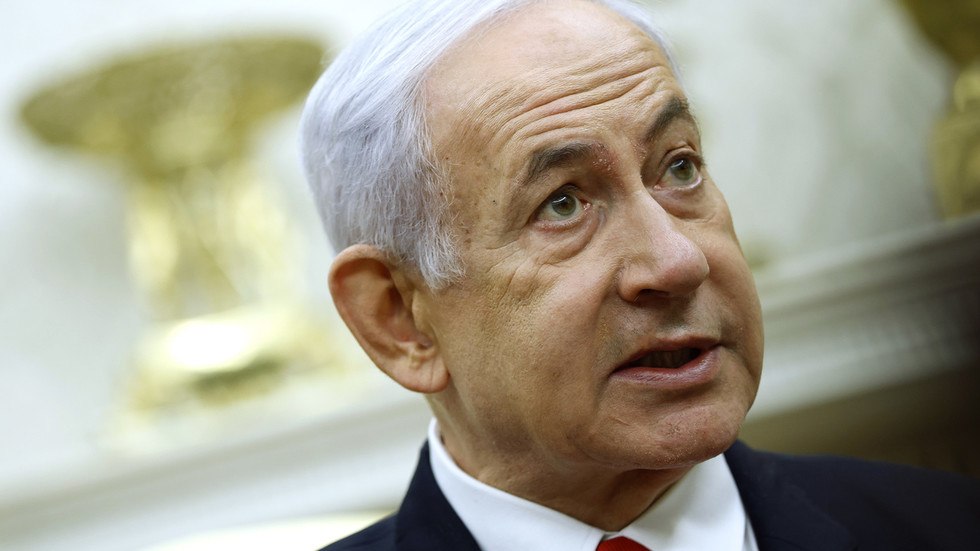
President Trump and President Sheinbaum spoke by phone on Wednesday, 16 September 2026. A US official described the conversation as constructive and said the talks “continue to move in a positive direction,” according to Politico. A second person familiar with the call was cooler, calling it “so-so” and saying new topics “created a bit of noise.”
Sheinbaum confirmed the contact at her morning press conference on Thursday, 17 September. She used the same appearance to answer a US government report on drug trafficking. “I would like to see a report on what the United States government does inside the United States,” she said. “We in Mexico are acting. But what happens on the other side?”
Neither government published a full readout of the call. No text was signed, and no tariff line has changed so far.
What a Deal Would Cover
The talks aim at the stack of US duties that has built up on Mexican goods since early 2025. Steel and aluminum carry a 50 percent duty under Section 232, the US trade law that lets the president restrict imports on national security grounds. Cars and auto parts carry 25 percent where they do not qualify under the USMCA, the trade agreement between the United States, Mexico and Canada. Goods that fail the agreement’s rules of origin — the formulas that define how much of a product must be made in North America — face a separate duty.
A restructuring in April and June 2026 softened part of this. Goods that qualify under the USMCA now pay the metals duty only on their non-US content. The talks are working through what remains: autos, steel, aluminum, agriculture and labor, according to Reuters.
Both capitals have a political clock. Reuters reported on 11 September that both sides want a framework before the US midterm elections in November. US Commerce Secretary Howard Lutnick traveled to Mexico earlier this month as the talks accelerated.
The USMCA Backdrop
The United States declined to renew the USMCA in its current form on 1 July 2026. That decision did not end the agreement; it moved it into annual reviews that can run through 2036. Three formal rounds of talks have taken place since July. The fourth round was first planned for late September and now runs on 28–29 September in Washington, one week later than scheduled.
Jamieson Greer, the US Trade Representative, leads the American side. Marcelo Ebrard, Mexico’s Economy Secretary, leads the Mexican side. The Rio Times has tracked the review since the September round became decisive and since Trump first said a new bilateral deal was being drawn up in August.
What It Means for Expats and Investors
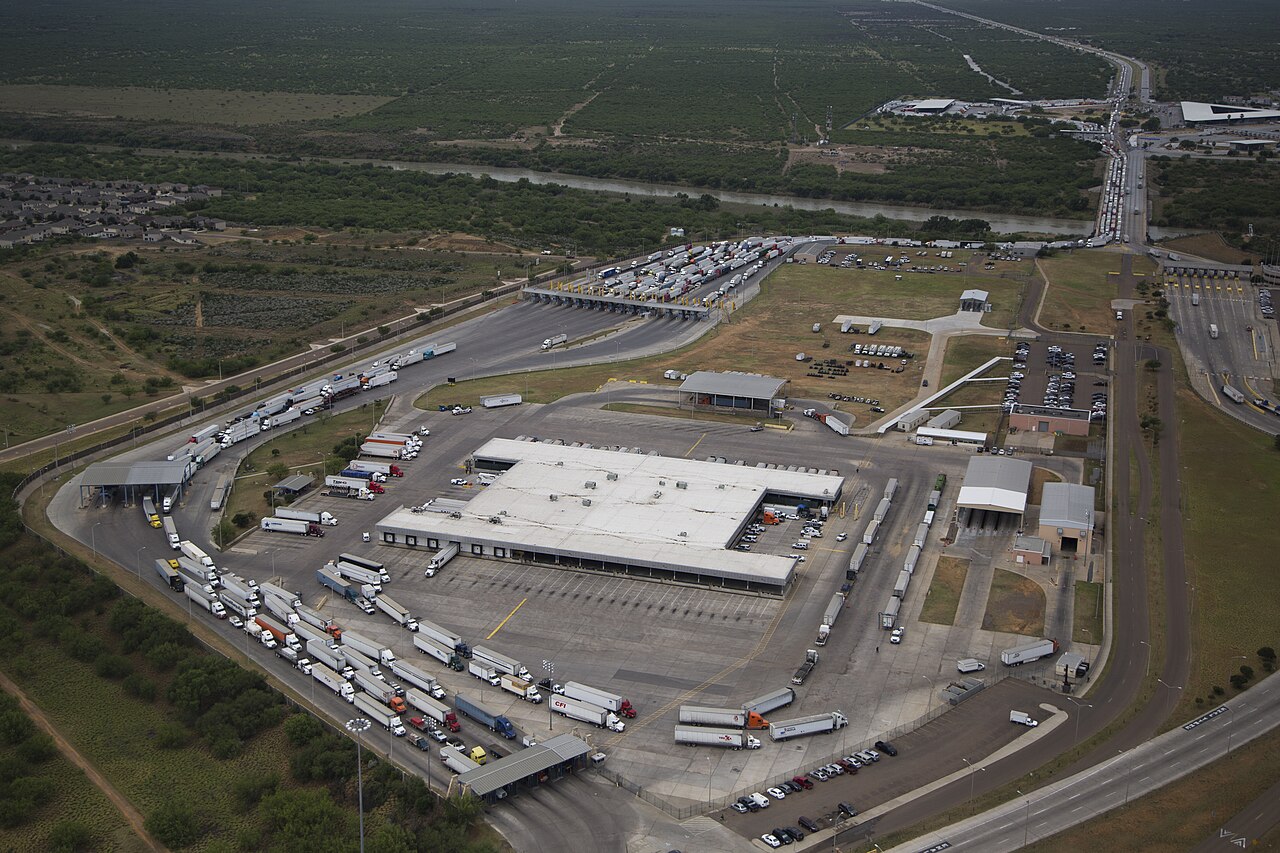
For companies producing in Mexico, the stakes are concrete. A deal that lowers the metals and auto duties would reduce costs for factories from Monterrey to Guanajuato — and for the cross-border supply chains that employ workers on both sides. Mexico’s government is preparing for more trade, not less: the state development bank Banobras said on 17 September that construction of the Nuevo Laredo 4 and 5 border bridges will start before the end of the year. About 90 percent of the cargo in that corridor currently crosses a single bridge.
For anyone earning or paying in pesos, the currency is the daily measure of this story. The peso ended 17 September near 17.15 per dollar. It firmed 0.4 percent that day, after touching a one-month low, as markets digested both the Federal Reserve’s rate increase and the trade news from Washington.
The direction of movement is toward a deal. The caution is in the details: the call itself introduced new topics, and three earlier rounds have ended without one.
What We Could Not Confirm
Which specific tariff lines a deal would remove or reduce. Whether any text will be signed before the US midterm elections in November. And the full content of the call — neither government has published a readout.
Frequently Asked Questions
Did Trump and Sheinbaum agree on a trade deal?
No. They spoke by phone on 16 September 2026, and officials say the talks are moving in a positive direction. The next formal negotiating round runs on 28–29 September in Washington.
What US tariffs currently apply to Mexican goods?
Steel and aluminum carry 50 percent under Section 232. Cars and auto parts carry 25 percent where they do not qualify under the USMCA. Goods that fail the agreement’s origin rules face a separate duty. Since mid-2026, USMCA-qualifying goods pay the metals duty only on their non-US content.
What is happening with the USMCA?
The United States declined to renew the agreement in its current form on 1 July 2026. It now runs under annual reviews that can continue through 2036. Jamieson Greer and Marcelo Ebrard lead the talks.
What does this mean for the Mexican peso?
The peso traded near 17.15 per US dollar on 17 September 2026, close to a one-month low. It gained 0.4 percent that day. Trade progress and US interest rates are the two main drivers right now.
Sources: Politico (17 September 2026); Bloomberg (17 September 2026); Reuters (11 and 17 September 2026); Uno TV, transcript of the presidential press conference (17 September 2026); ICPA USMCA review briefing (September 2026); US Federal Register tariff notices. FX basis: USD/MXN 17.15, 17 September 2026.
More: Mexico coverage from The Rio Times.
This article was produced by The Rio Times’ automated newsroom system. How we use AI · Report an error
The Rio Times · Power Map
See who really holds power in Latin America
Click to open the Power Map →