By The Rio Times | Created at 2026-10-06 13:06:59 | Updated at 2026-10-06 15:35:02
2 hours ago
By The Rio Times | Created at 2026-10-06 13:06:59 | Updated at 2026-10-06 15:35:02
2 hours ago
GUIDES · MEXICO
Key Facts
- —The country Mexico is a federal republic of 31 states plus Mexico City, and a close US economic partner. Its politics in 2026 are dominated by one movement, Morena.
- —President Claudia Sheinbaum of Morena, in office since 1 October 2024 and the first woman to lead Mexico. An El Financiero survey put her approval at 70 percent in September 2026.
- —Congress Morena holds 66 of 128 Senate seats as of October 2026. With its allies PT and PVEM it controls 86 seats, just above a two-thirds majority.
- —Courts A nine-member Supreme Court elected by popular vote in 2025, led by Hugo Aguilar Ortiz since 1 September 2025.
- —Next election Midterms on Sunday 6 June 2027, for all 500 federal deputies and 17 governors, per the electoral institute INE.
- —Prediction markets Polymarket gives Morena an 86% chance of winning the 2027 legislative election (6 October, 8:54 a.m. ET).
Mexico politics in 2026 comes down to one fact: Claudia Sheinbaum’s Morena controls the presidency, both houses of Congress and most states. The opposition is split, and the Supreme Court is newly elected. For US investors, travellers and expats, that concentration decides how fast rules change on trade, security, energy and migration.
This guide maps who actually holds power, party by party and office by office, as of October 2026. For the formal structure of the presidency and the cabinet, see our companion explainer, President of Mexico in 2026, Government Explained.
How Power Is Divided in Mexico
Mexico has a president who is both head of state and head of government, with no prime minister. The president serves a single six-year term and cannot be re-elected. Sheinbaum took office on 1 October 2024, and her term runs to 2030.
Congress has two chambers. The Chamber of Deputies has 500 members, 300 elected in districts and 200 by proportional representation. The Senate has 128 members. Changing the constitution requires two-thirds of legislators present in each chamber, plus approval by a majority of the state legislatures.
That two-thirds threshold is the key number in Mexico politics. Morena and its two allies hold it in both chambers as of October 2026. In practice, the ruling bloc can amend the constitution without opposition votes, and it used that power for the 2024 judicial reform.
Below the federal level sit 32 federal entities: 31 states and Mexico City. Each has an elected governor, its own congress and its own police. Governors control permits, local taxes and much of public security, so they matter to any business on the ground.
Claudia Sheinbaum and Her Inner Circle
Sheinbaum, a scientist and former Mexico City leader, won the June 2024 election as López Obrador’s heir. She marked two years in office on 1 October 2026. An El Financiero survey that closed her second year put her approval at 70 percent.
Her cabinet has changed little. The official cabinet list and Mexican press reports show who holds the posts that matter most in October 2026:
- Rosa Icela Rodríguez, Interior Secretary (Gobernación). She manages relations with Congress, the parties and the states, and handles Mexicans returned from the US.
- Omar García Harfuch, Security Secretary. He runs the fight against cartels and is the main point of contact for US security agencies. He drew 63 percent positive opinions in the September El Financiero survey, the best in the cabinet.
- Marcelo Ebrard, Economy Secretary. A former foreign minister and Sheinbaum’s rival for the 2024 nomination, he leads talks with Washington on the USMCA trade pact.
- Edgar Amador Zamora, Finance Secretary since March 2025. He replaced Rogelio Ramírez de la O and prepares the budget and manages public debt.
- Roberto Velasco, Foreign Secretary since April 2026, replacing Juan Ramón de la Fuente.
- Ricardo Trevilla Trejo (Defence) and Raymundo Pedro Morales Ángeles (Navy). The armed forces carry much of the security strategy.
- Luz Elena González Escobar, Energy Secretary, whose ministry sets policy for the state oil company Pemex and the power utility CFE.
- Luisa María Alcalde, Legal Counsel to the Presidency since May 2026, after leaving the leadership of Morena.
Outside the cabinet, Ernestina Godoy, a long-time Sheinbaum ally, became Attorney General in December 2025, replacing Alejandro Gertz Manero. In Washington, Mexico is now represented by Ambassador Roberto Lazzeri Montaño, who replaced Esteban Moctezuma.
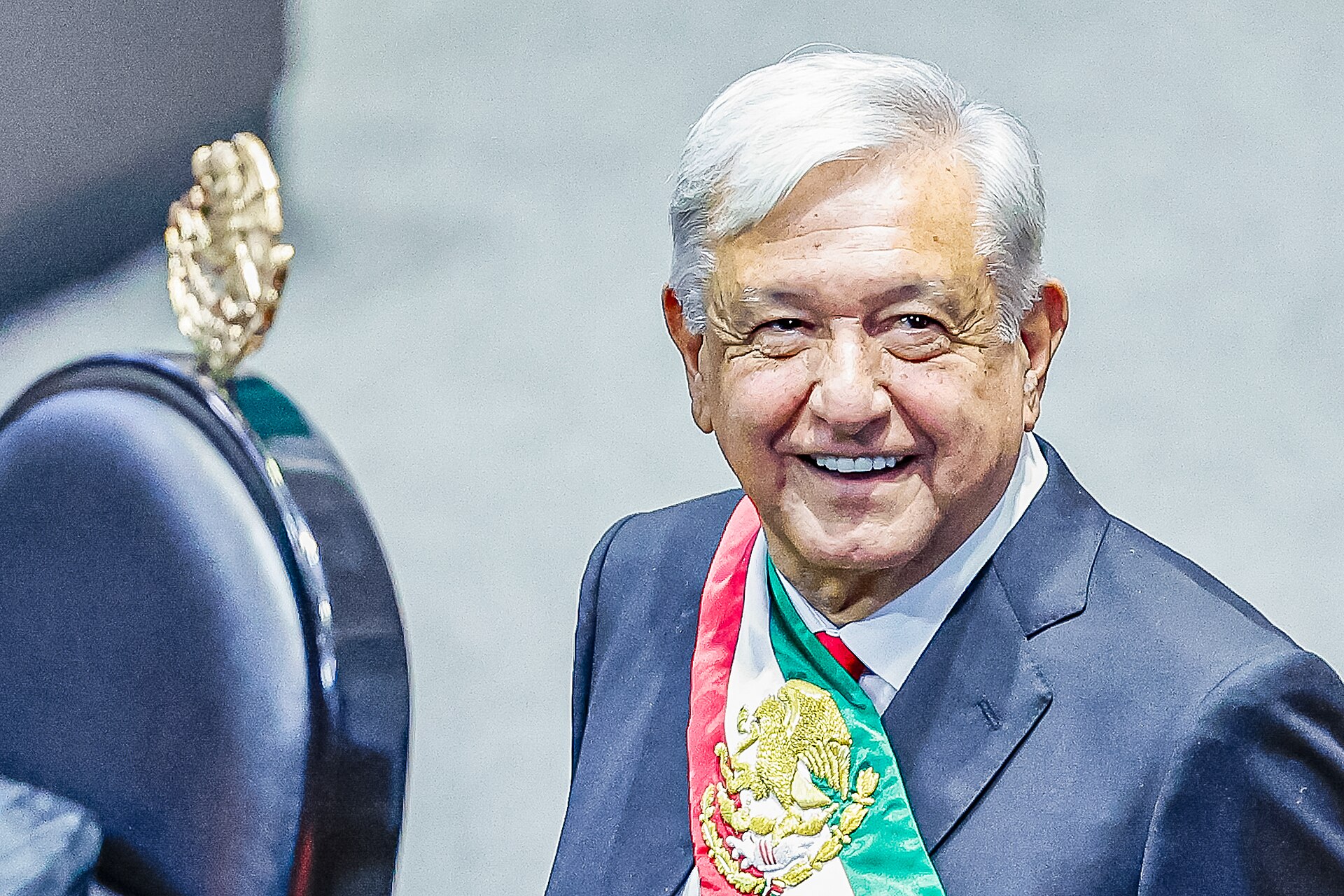
The pattern since 2025 is clear. Sheinbaum has gradually replaced López Obrador’s appointees with her own people in the cabinet, the party and the security apparatus. In September 2026 she also named Mariano Muñoz del Olmo as technical secretary of the cabinet, the office that tracks presidential orders.
Morena and the Ruling Coalition
Morena, the National Regeneration Movement, is a left-wing nationalist party founded by López Obrador. It favours large cash-transfer programmes, a bigger state role in energy, higher minimum wages and fewer independent regulators. It calls its project the Fourth Transformation.
Since 3 May 2026, Morena has been led by Ariadna Montiel, who left the Welfare Ministry for the post. Mexico’s electoral court later confirmed that her term runs until May 2029. Citlalli Hernández chairs the party’s elections commission, which picks candidates and negotiates with allies.
Two smaller parties complete the governing bloc:
- Labour Party (PT): a left-wing party led by Alberto Anaya. It has quarrelled with Morena over 2027 governorship nominations. In late September 2026, Anaya said the PT will stay in coalition with Sheinbaum.
- Ecologist Green Party of Mexico (PVEM): a pragmatic, business-friendly party that has backed the government in Congress. Its Senate leader, Manuel Velasco, says 2027 alliances will be formalised by December 2026. The party may run alone in some states.
The bloc’s main weakness is internal. Two issues could shake it before 2027: fights over governorship nominations, and US pressure over alleged political links to organised crime.
Congress: Seats and Leaders
The Senate’s own register shows this split of its 128 seats in October 2026.
- Morena 66, PAN 21, PVEM 14, PRI 13, Citizens’ Movement 6, PT 6, and 2 senators without a group.
- Governing bloc: 86 seats. Opposition parties: 40 seats, plus 2 senators without a group.
The Senate’s Political Coordination Board, which sets the agenda, is chaired by Ignacio Mier, who leads the Morena senators. Former presidential candidate Ricardo Anaya leads the PAN senators.
In the Chamber of Deputies, the latest official composition table, dated August 2025, gives Morena 253 of 500 seats. PAN has 70, PVEM 62, PT 49, PRI 37, Citizens’ Movement 28, and one deputy sits as an independent. The governing bloc’s 364 seats are comfortably above the 334 needed for a two-thirds majority.

The Opposition Parties
The opposition is small and divided. It holds under a third of the seats in each chamber and disagrees over whether to unite. Each party in one line:
- National Action Party (PAN): the main conservative, pro-business party, led by Jorge Romero. Romero has rejected a national alliance with the PRI for 2027, saying each party should run on its own brand. Local deals remain possible.
- Institutional Revolutionary Party (PRI): the party that ruled Mexico for most of the 20th century, now much reduced. Its leader, Senator Alejandro Moreno, keeps pressing for a broad opposition front against Morena.
- Citizens’ Movement (MC): a centrist party led by Jorge Álvarez Máynez. It refuses coalitions and will run alone for the 2027 governorships. Its strongest base is in Nuevo León.
The split matters arithmetically. In Mexico’s mixed system, a divided opposition can hand Morena district seats it would otherwise have to fight for. Moreno argues that only a united front could threaten the ruling bloc’s two-thirds majority, and so far the PAN and MC disagree.
The Courts After the Judicial Reform
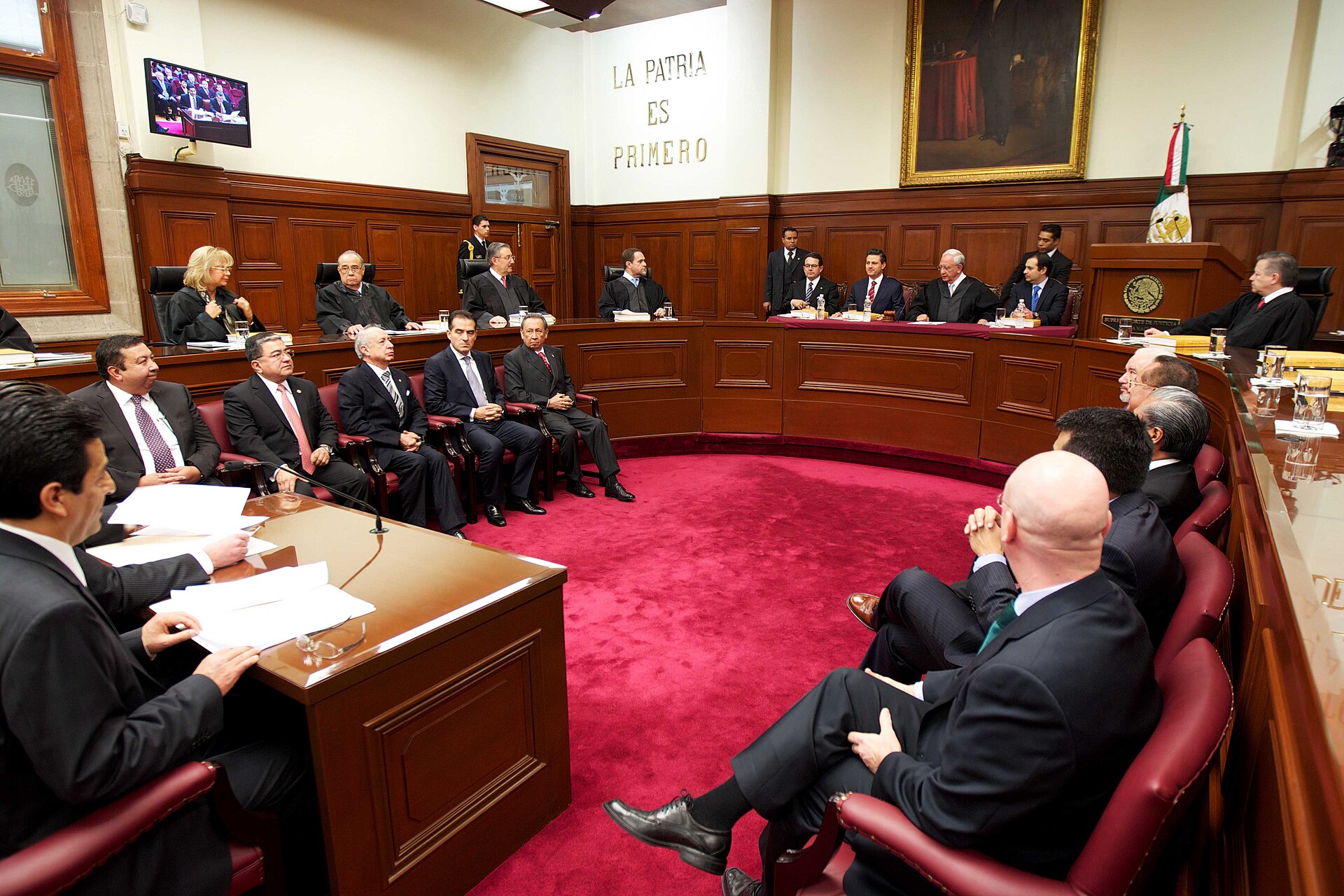
The 2024 judicial reform replaced Mexico’s appointed Supreme Court with nine justices chosen by popular vote. The new court took office on 1 September 2025. Its president is Hugo Aguilar Ortiz, whose term the court’s website lists as running to September 2027.
Critics say the elected court is too close to the government, a charge Aguilar rejects. He told El País in September 2026 that the court inherited a backlog of 1,479 cases dating back to 2014. Our explainer on the judicial reform covers the election and its effect on investors.
The court still decides cases the government cares about. On 5 October 2026 it unanimously upheld voluntary crime-risk checks on would-be candidates, rejecting a challenge from the PRI, Proceso reported. Our report, Mexico Court Backs Candidate Crime Checks 9 to 0, explains the ruling.
Governors and the States
Morena dominates the map. In May 2026, El País put the number of Morena governors at 22, alongside Mexico City’s head of government, Clara Brugada. Other parties hold the remaining states.
One governor draws particular attention in Washington: Rubén Rocha Moya of Sinaloa, home of the Sinaloa Cartel, who is on indefinite leave. US prosecutors in New York indicted him and nine others in April 2026 on drug-trafficking charges, which he denies. Mexico’s Attorney General’s Office says its own investigation remains open, and he has not been convicted.
For a US business, the governor often matters as much as the president. States issue many industrial permits, run state police and compete hard for nearshoring plants. A change of party in a state can change the pace of approvals.
The Road to the 2027 Midterms
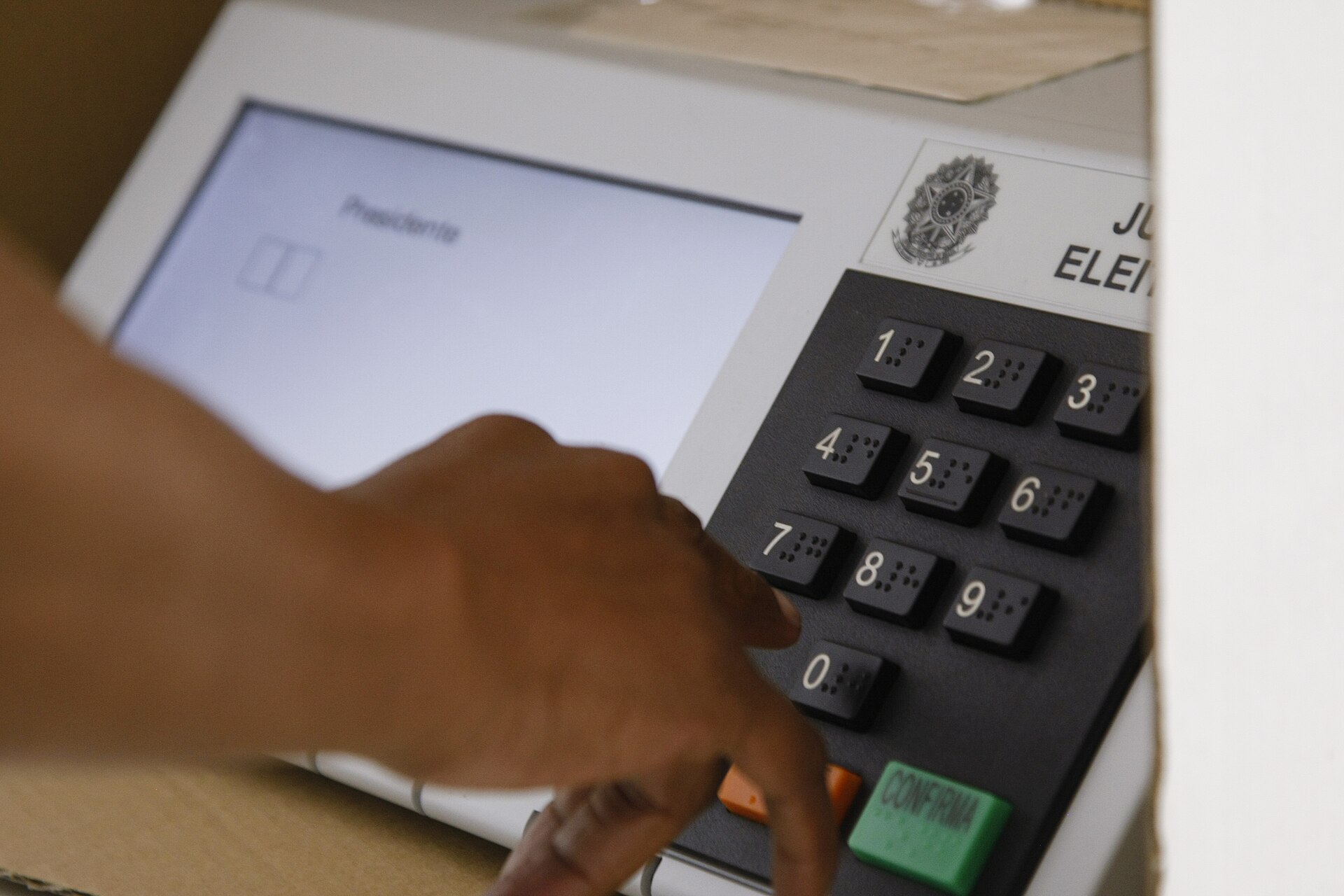
The National Electoral Institute (INE), the independent body that runs federal elections, opened the 2026-2027 electoral process on 10 September 2026. Voting takes place on Sunday 6 June 2027, from 8 a.m. to 6 p.m. INE is led by its president, Guadalupe Taddei.
Voters will elect all 500 federal deputies, 17 governors and thousands of local officials. The midterm is the first national test of Sheinbaum’s government and of Morena under Montiel. It will decide whether the ruling bloc keeps the two-thirds majority it needs to keep amending the constitution.
The vote is also the first step towards 2030. El Financiero already rates García Harfuch, Ebrard and Rodríguez among the cabinet members discussed as possible presidential contenders.
What It Means for US Readers
- Investors: one bloc controls the presidency, Congress and most states, so policy can move fast and with few checks. Watch the USMCA talks led by Ebrard, energy rules for Pemex and CFE, and business rulings by the elected court.
- Washington watchers: security cooperation runs through García Harfuch, and pressure over cartel links to politicians will shape the 2027 candidate lists. Ambassador Lazzeri is Mexico’s voice in Washington.
- Travellers: political change does not alter entry rules. Election periods bring rallies and road closures, and local security varies widely by state.
- Expats: permits, property and local taxes depend on state and municipal governments, so a governor’s party matters to daily life.
For the wider picture, read Mexico Geopolitics Explained 2026 on relations with the United States and China. Who Runs Mexico’s Economy, the Key Players in 2026 covers the companies and tycoons.
What Prediction Markets Say
Bettors on Polymarket give Morena an 86% chance of winning the 2027 Mexican legislative election, as of 6 October 2026 at 8:54 a.m. ET. That price has slipped about 4 points over the past month. The event has traded about US$106,000, including about US$57,000 on the Morena contract.
A separate market on who finishes second gives the PAN a 77% chance. Another market gives Sheinbaum only a 3% chance of leaving office by 31 December 2026, on about US$35,000 traded. These are bets, not polls.
Why we show this: prediction markets turn real-money bets into a live probability that moves within minutes of the news, which is why investors, campaigns and newsrooms in the United States now follow them closely. We show them next to polls and official results, never instead of them.
What Is Not Known
- Whether Morena, the PT and the PVEM will register a full national coalition for 2027, and in which states they will split.
- Whether the PAN and the PRI will strike local alliances, and whether Citizens’ Movement stays out of every one.
- How long Hugo Aguilar presides over the Supreme Court. Two articles of the amended constitution set different terms, and the court has not settled the question.
- Whether Mexico acts on the US indictment of Sinaloa’s governor, and whether other politicians are named.
- How many cabinet members leave to run in 2027 or to position themselves for the 2030 presidential race.
Frequently Asked Questions
Who holds power in Mexico in 2026?
President Claudia Sheinbaum and her Morena movement. Morena and its allies, the PT and the PVEM, hold two-thirds majorities in both chambers of Congress, and Morena governs most of the 32 federal entities.
How many seats does Morena have in Congress?
Morena holds 66 of the 128 Senate seats as of October 2026, and 253 of the 500 seats in the Chamber of Deputies in the latest official table. With the PT and the PVEM it controls 86 senators and 364 deputies.
Who leads the opposition in Mexico?
Jorge Romero leads the conservative National Action Party (PAN), Alejandro Moreno leads the PRI, and Jorge Álvarez Máynez leads Citizens’ Movement. They have not agreed on a joint front for 2027.
When is the next election in Mexico?
The midterm election is on Sunday 6 June 2027. Voters will choose all 500 federal deputies and 17 governors. The electoral institute INE opened the process on 10 September 2026.
Who runs Mexico’s Supreme Court?
Hugo Aguilar Ortiz has presided over the nine-member, popularly elected Supreme Court since 1 September 2025. The court’s website lists his term as running to September 2027.
Who leads the Morena party?
Ariadna Montiel, a former welfare secretary, has led Morena since 3 May 2026. Mexico’s electoral court confirmed that her term runs until May 2029.
Sources: Senate of the Republic, senators by parliamentary group; Senate, Political Coordination Board; Chamber of Deputies, composition of the LXVI Legislature; Presidency of Mexico, cabinet; Supreme Court of Justice of the Nation, presidency; INE, Federal Electoral Process 2026-2027; INE Central Electoral, start of the 2026-2027 process; Expansión Política, cabinet changes; El Financiero, cabinet ratings; Milenio, electoral court confirms Montiel term; El Imparcial, PT stays in coalition; plus El País, Infobae, Proceso, Político MX, Observador and Vanguardia reporting on Morena, its allies and the cabinet. All accessed 6 October 2026.