By The Rio Times | Created at 2026-09-21 10:11:43 | Updated at 2026-09-21 11:34:37
1 hour ago
By The Rio Times | Created at 2026-09-21 10:11:43 | Updated at 2026-09-21 11:34:37
1 hour ago
GUIDES · GUATEMALA
Key Facts
- —What it is A Central American country where foreigners live on a 90-day entry stamp or a formal residency category.
- —Who it’s for Retirees, remote workers and families who want lower costs and a short flight from North America.
- —What it costs Rentista or pensionado residency needs US$1,250 monthly income, plus US$300 for each dependant.
- —Why it matters Antigua and the capital’s zones 10, 14, 15 and 16 cost far more than provincial towns.
- —The catch Your 90 days are shared with El Salvador, Honduras and Nicaragua, and border runs do not reset them.
Moving to Guatemala in 2026 runs on two clocks — the 90 days you are given at the border, and the months a residency file takes to clear.
One-stop reference
Company Intelligence
Every listed company in Latin America — financials, ownership and structure for 1,450+ companies across 26 exchanges, in one place.
Moving to Guatemala usually begins with a 90-day entry stamp and ends, if you stay, with a residency file at immigration. Guatemala rewrote its residency rules in 2025, so older thresholds and categories may now be out of date.
The first 90 days and the CA-4 clock
Moving to Guatemala starts with a 90-day entry stamp for most visitors from North America and Europe. The British government states that the 90-day period starts on entry to the CA-4 area and does not restart at internal borders.
CA-4 is the free-movement arrangement between Guatemala, El Salvador, Honduras and Nicaragua. A trip to one of those neighbours is not a reset — it is the same clock, still running.
A run to Mexico or Belize does leave the CA-4 area, which is why long-stayers use those borders. Officers still have discretion, so a fresh stamp is a favour rather than a right.
The formal alternative is an extension filed at the immigration institute’s extranjería office in zone 4 of Guatemala City. Guatemalan press reporting describes a single 90-day extension costing about US$25.
The British government instead describes extensions of up to 30 days for a fee. Confirm the current rule with immigration before your stamp expires.
Overstaying is charged, not ignored. The United States government says travellers who overstay pay a daily fine in cash at the airport before leaving.
Choosing where to live
Where you settle shapes the cost of moving to Guatemala more than any other choice. Antigua is the best-known foreign base, and also the most expensive small town for newcomers.
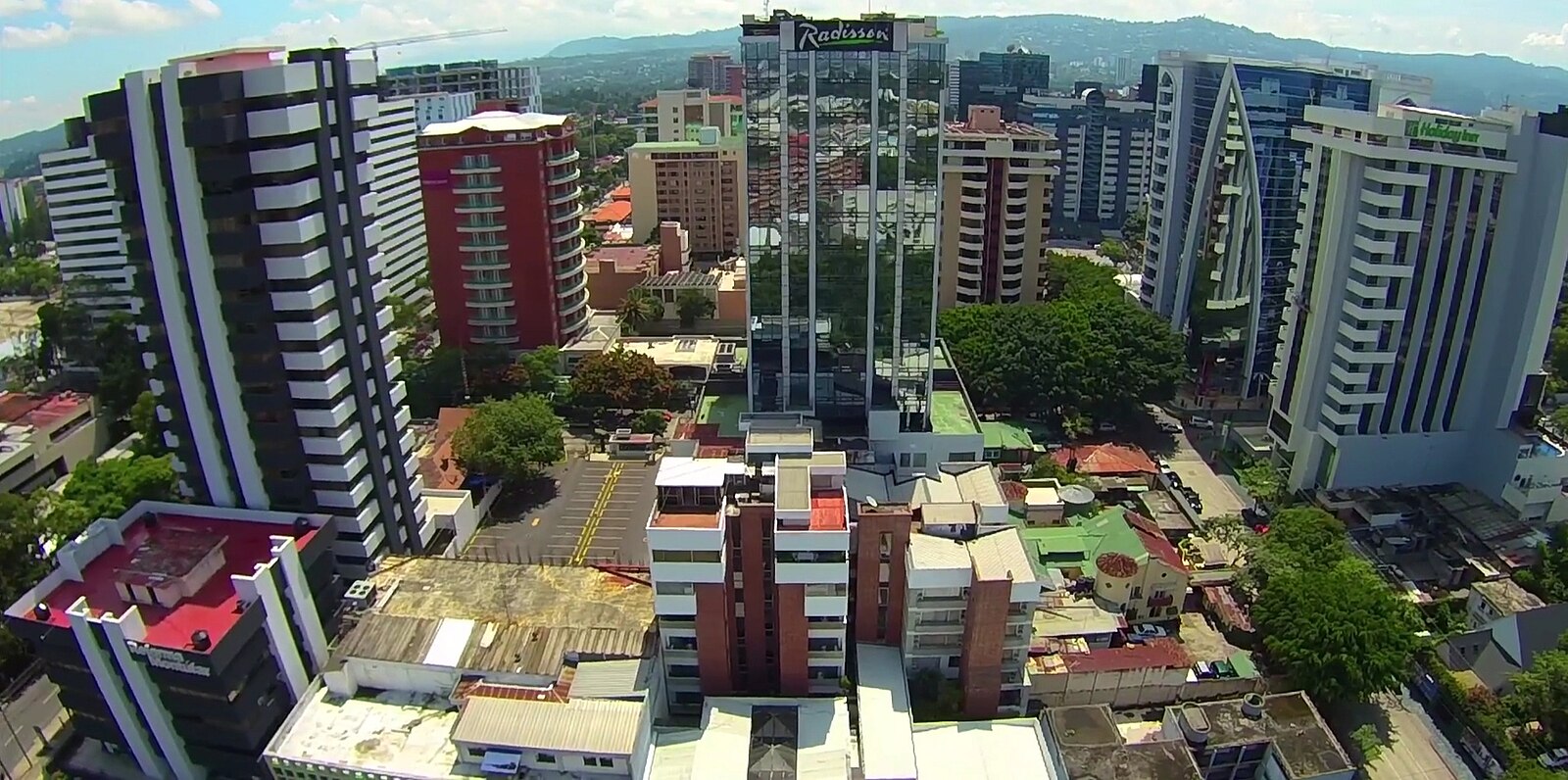
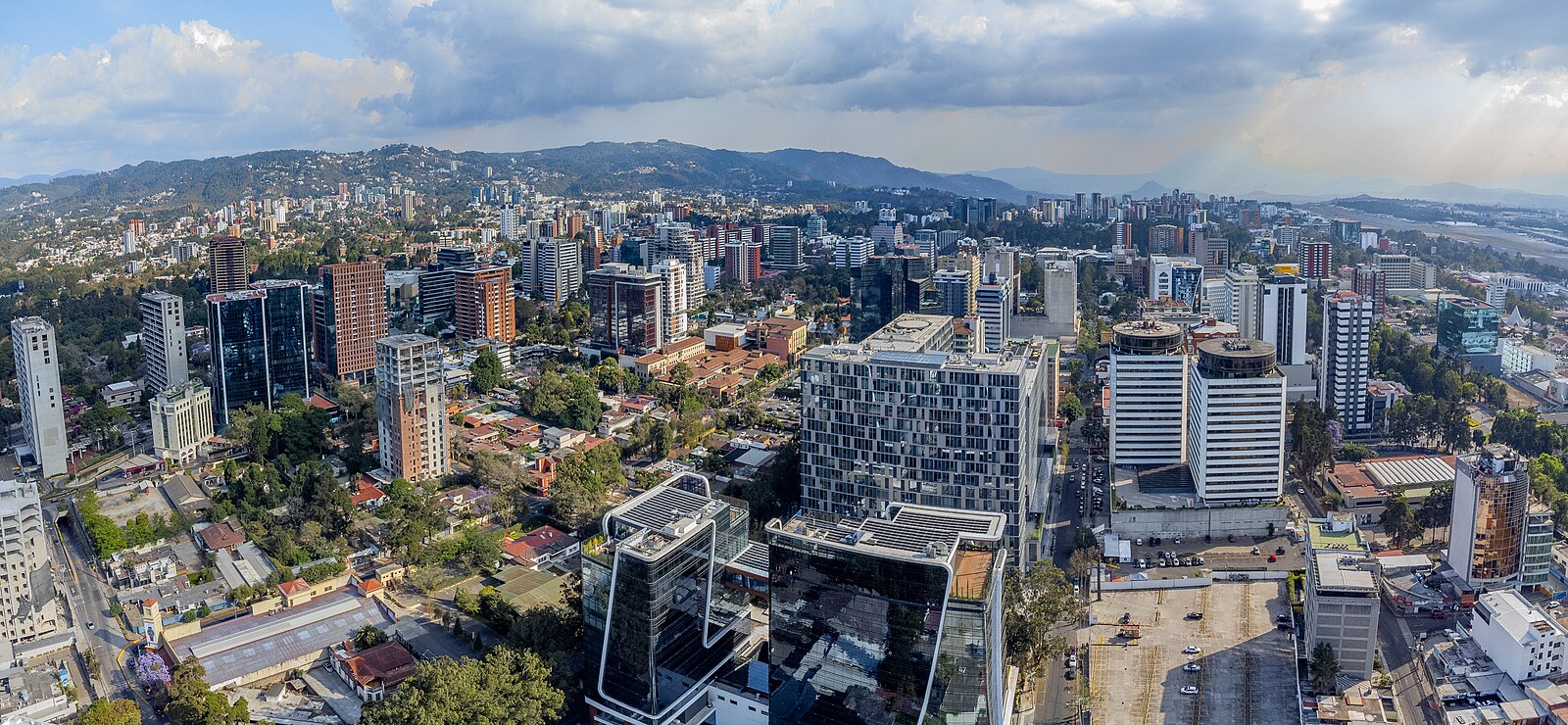
Guatemala City is the practical hub for work, banking, specialist hospitals and international schools. Foreign residents concentrate in zones 10, 14, 15 and 16, which carry capital-city rents and traffic.
Lake Atitlán is the lifestyle tier, and its villages differ sharply. Some are busy and foreign-oriented; others are quiet, rustic and reached mainly by boat.
Quetzaltenango, usually called Xela, is the secondary-city option. It is cooler, more local and generally cheaper than Antigua or the capital’s best-known zones.
The honest advice is to rent short before committing. Altitude, rain, noise and commute times decide more of your first year than any listing photograph.
The residency decision and the 2025 rules
Residency is the second half of moving to Guatemala. The country replaced its residency, visa and status rules in 2025, and the residency regulation, Acuerdo IGM-016-2025, took effect on 8 October 2025.
Temporary residence is granted for one to five years, according to what the applicant requests. Anyone who wants to stay beyond five years must apply for permanent residence instead.
The new rules created a category for people employed by an employer based abroad. That route requires bank statements showing at least US$2,000 a month, or US$3,000 with dependants.
Investors face a separate minimum investment of US$100,000. People hired by a Guatemalan employer follow the worker route, and the regulation requires a work permit within three months.
Rentista and pensionado applicants can apply directly for permanent residence. The regulation sets a minimum income of US$1,250 a month, plus US$300 for each dependant.
That income must come from abroad: pensions, foreign bank deposits, overseas investments or property rented out elsewhere. The regulation describes these residents as people who remain without taking paid work in Guatemala.
Permanent residents pay an annual foreigner fee set in a separate tariff schedule. Rentistas and pensionados must also show every five years that the income still arrives.
Building the file: papers, translations and time
The paperwork stage is where most delays begin. Documents issued abroad must be apostilled or legalized, then translated into Spanish by a sworn translator or by your consulate.
The 2025 update shortened the criminal-record requirement to two years of history instead of five. Dependants may now file alongside the main applicant rather than waiting for a first approval.
The guarantee document is no longer required for temporary worker residencies, and checks on applications became mandatory rather than random. Both changes come from the law firm Consortium Legal.
The same firm put processing for rentista and pensionado files at six to eight months in January 2026. Treat that as a professional estimate rather than a promise.
Fees do not appear in the residency regulation at all. They sit in a separate migration-services tariff schedule, so ask immigration in writing for the current figure before filing.
Figures circulating on forums for the application and the residence card could not be confirmed against that schedule.
What moving to Guatemala costs in practice
Moving to Guatemala does not have a single price tag. The quetzal traded at about 7.66 to the dollar at 21 September 2026 exchange rates, and the currency is not pegged.
One local anchor helps. The 2026 minimum wage for non-agricultural work in the capital is 4,002.28 quetzales a month (about US$523).
A mandatory bonus of 250 quetzales (about US$33) is added, under Acuerdo Gubernativo 256-2025, from 1 January 2026. Foreign budgets sit far above that level, which is the point worth absorbing.
Rent, private healthcare, school fees and a car drive a foreign budget — rarely groceries. Antigua and the capital’s zones 10, 14, 15 and 16 price like small international cities.
Published cost-of-living averages age quickly and rarely match a street. Ask two or three current residents in your target area before fixing a figure.
Housing: how rentals are actually found
Housing is where moving to Guatemala becomes real. Many listings never reach the internet, so local agents, signs on gates and word of mouth fill most foreign-occupied rentals.
Furnished flats dominate the expat-facing market and short leases. Unfurnished places are more common away from those areas, and usually cheaper for the same space.
Landlords commonly ask for a deposit and some rent in advance. No standard deposit rule is published, so put the amount and the return conditions in a written contract.
Ask what the rent includes before comparing two places. Water, security, parking, internet and a backup tank change the real number substantially.
Healthcare, social security and private cover
Health cover is the part of moving to Guatemala that newcomers postpone longest. IGSS, the social security institute, is funded through payroll contributions.
Employees contribute 4.83 percent of salary and employers 10.67 percent, a combined 15.5 percent. Retirees and rentistas are not on a Guatemalan payroll, so they sit outside that system.
Most foreign residents therefore use private clinics and hospitals, concentrated in Guatemala City and, to a lesser degree, Antigua. Complex treatment usually means a trip to the capital.
Arrange international or regional cover before arrival, and check that Guatemala is inside the policy area. Ask about air evacuation, which matters more in a mountainous country.
Banking, the DPI and the NIT
Banking is often the slowest part of moving to Guatemala. The tax authority issues the NIT, the tax identification number, and banks routinely ask for it.
Once immigration approves residency, the civil registry RENAP registers you as a domiciled foreigner. It asks for the immigration resolution and a migratory-status certificate issued within the previous six months.
RENAP then issues a DPI, the national identity document, in the version for domiciled foreigners. With it, accounts, contracts and utility connections become straightforward.
Bank onboarding tightened this year. A new anti-money-laundering law, Decree 15-2026, was published on 17 June 2026 and entered into force on 17 September 2026.
It bans anonymous accounts and requires banks to identify beneficial owners holding 15 percent or more. Cash movements of US$10,000 or more must be reported daily.
The implementing regulation is due within six months of that date. Until it arrives, document lists will differ between banks, so ask your branch for its list in writing.
Schools, Spanish study and getting around
International and bilingual schools cluster in Guatemala City, with a smaller bilingual market in Antigua. Fees, entrance tests and waiting lists vary by school, so contact admissions early.
Ask each school for its document list at first contact. Several request apostilled transcripts for older students, which takes weeks from abroad.
Antigua is the country’s Spanish-study centre, with immersion schools and homestays. Lake Atitlán villages and Quetzaltenango offer the same thing at a slower pace.
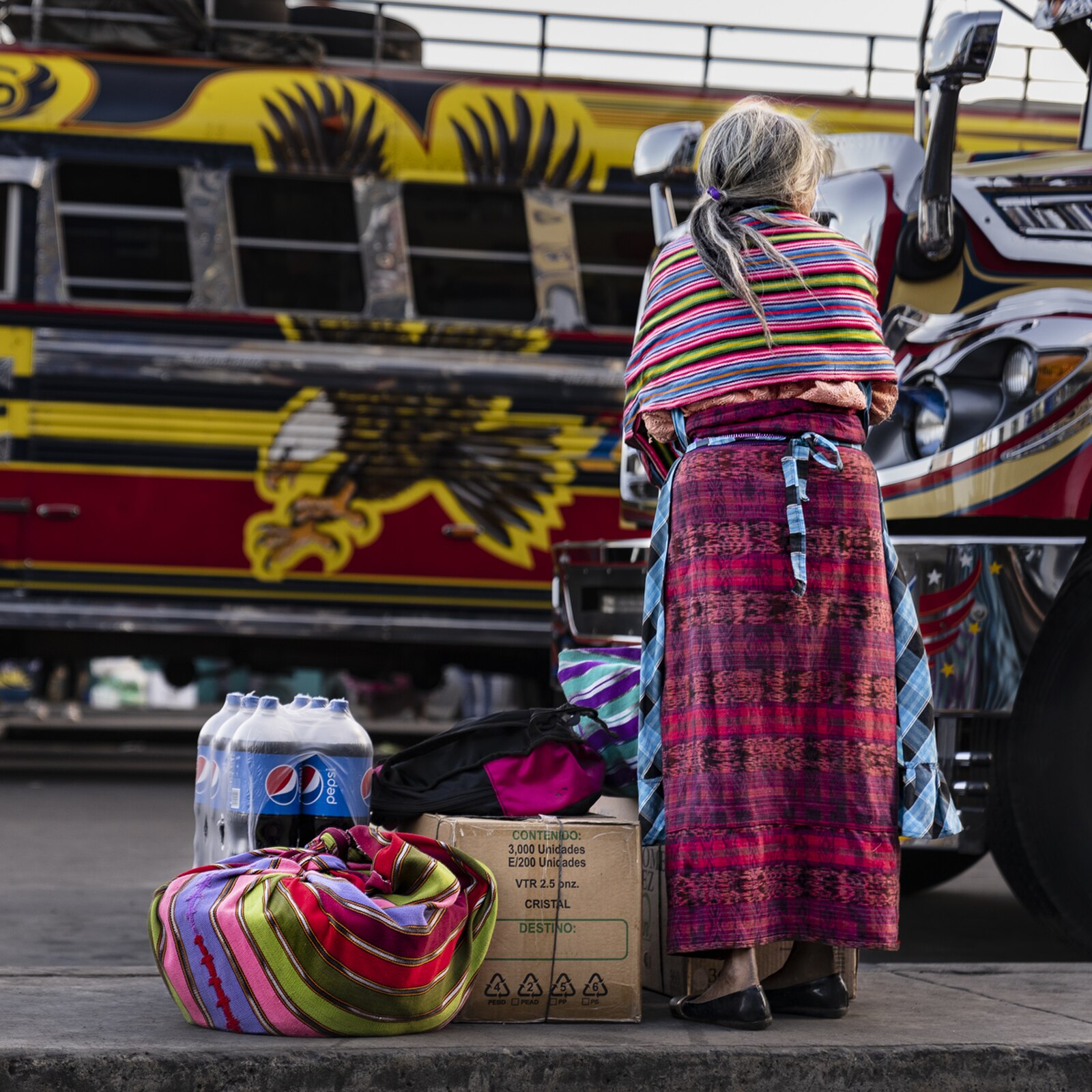
Shuttle vans are the default link between the airport, Antigua, the lake and the border crossings. Ride-hailing and private drivers cover the capital, while intercity bus quality varies sharply.
Driving is a bigger commitment than newcomers expect. The traffic department issues foreign applicants a driving permit, and its published requirements are demanding.
They include legalized copies of your passport and foreign licence, proof of your residency file, exams and an eye test. A Guatemalan guarantor with at least 5,000 quetzales (about US$653) in the bank is also required.
The permit is priced at 50 quetzales (about US$7) for each month of validity. Ordinary licences run from 100 quetzales (about US$13) for one year to 390 quetzales (about US$51) for five.
Safety, earthquakes and volcanoes
Use attribution rather than impressions on safety. The United States government placed Guatemala at Level 3, reconsider travel, in an advisory issued on 12 March 2026.
Judgement still runs neighbourhood by neighbourhood, not country by country. Ask residents about your specific street, and about walking after dark, before signing a lease.
Seismic activity is routine rather than exceptional here. The national disaster agency reported 5,753 seismic events recorded during 2026 up to 16 September, most of them unfelt.
Volcanoes are equally ordinary until they are not. On 4 August 2026, three departments — Chimaltenango, Escuintla and Sacatepéquez — moved to red alert during an eruption of Volcán de Fuego.
That episode moved 1,421 people into five shelters, with ash reported across 18 communities. Antigua sits inside that landscape, which is worth knowing before buying anything.
The practical response is preparation rather than avoidance. Check how a building is built, keep water and documents ready, and follow the official volcano bulletins.
Taxes, shipping and a realistic first year
Guatemala taxes income from Guatemalan sources. The income tax law, Decree 10-2012, applies the tax to income obtained in national territory.
A pension paid from abroad therefore falls outside that base, which is why the rentista and pensionado routes suit retirees. Local earnings are a different matter entirely.
Employment income is taxed at 5 percent up to 300,000 quetzales a year (about US$39,200), then 7 percent above that. Business profits are taxed at 25 percent, with a simplified 5 and 7 percent option.
Value added tax is 12 percent and is already inside most posted prices. Check your own country’s rules as well, since some states tax citizens wherever they live.
Shipping a household is the least predictable step. Guatemala’s customs franchise rules cover household goods, but no simple published allowance for new residents could be confirmed.
Get a written classification from a licensed customs agent before a container sails. Cargo that arrives while a residency file is unfinished is how storage bills begin.
Pets travel under the agriculture ministry’s rules. They need a veterinary health certificate and a rabies shot given at least a month before travel.
A realistic first year of moving to Guatemala runs in order: scout, rent short, start apostilles early, then file and wait. Bank account, tax number and identity card come after residency.
Frequently Asked Questions
How long can I stay in Guatemala without a visa?
Visitors from many countries, including the United States, Canada and much of Europe, enter for up to 90 days. The British government states that the period starts on entry to the CA-4 area and does not restart at internal borders. Check the rule for your own nationality with Guatemalan immigration before you travel.
Does a border run to Honduras or El Salvador reset my 90 days?
No. Those two countries are inside the CA-4 area with Guatemala and Nicaragua, so the same 90-day clock keeps running. Leaving the region, for example to Mexico or Belize, is a different situation, but a new stamp is still granted at an officer’s discretion.
What income do I need for rentista or pensionado residency?
The residency regulation in force since 8 October 2025 sets a minimum of US$1,250 a month, plus US$300 for each dependant. The income must come from abroad, such as a pension, foreign deposits or property rented out elsewhere. Holders must show every five years that the money still arrives.
Is my foreign pension taxed in Guatemala?
Guatemala’s income tax law, Decree 10-2012, taxes income obtained in national territory. A pension paid from abroad therefore falls outside that base. Your home country may still tax it, so check both sets of rules before you move.
What do I need to open a Guatemalan bank account?
Banks ask for identification, the NIT tax number and proof of address, and requirements differ from one bank to the next. A new anti-money-laundering law took effect on 17 September 2026, banning anonymous accounts and tightening checks on beneficial owners. Its implementing regulation is due within six months, so ask your branch for a written list.
Can I drive in Guatemala on my home licence?
Visitors commonly drive on a foreign licence, but residents are expected to hold a local permit. The traffic department issues foreign applicants a permit priced at 50 quetzales (about US$7) for each month of validity. It requires legalized copies of your passport and licence, proof of your residency file, exams, an eye test and a Guatemalan guarantor.
Sources: Thresholds and residency rules come from Guatemala’s immigration institute and its 2025 residency regulation, the civil registry RENAP, the traffic department, the national disaster agency, the income tax law, the British and United States government travel guidance, a regional law firm’s summary of the 2025 changes, an accountancy firm’s note on the 2026 minimum wage and Guatemalan press reporting on stay extensions.