 By The Epoch Times | Created at 2026-09-09 21:56:37 | Updated at 2026-10-04 09:36:01
3 weeks ago
By The Epoch Times | Created at 2026-09-09 21:56:37 | Updated at 2026-10-04 09:36:01
3 weeks ago

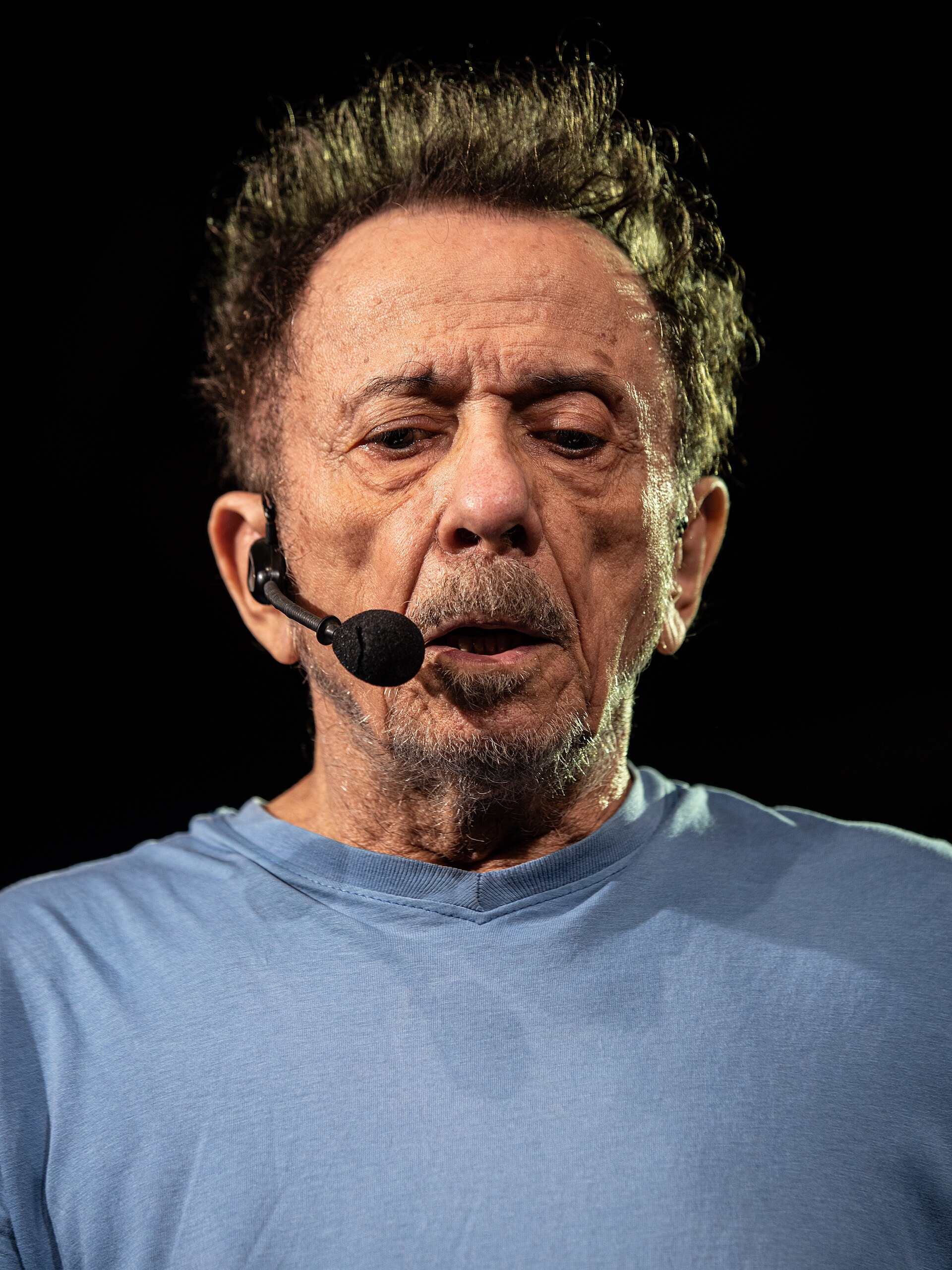
Michael Flynn, former national security adviser to President Donald Trump and founder of America’s Future, speaks during Champions For America Celebration Gala at Mar-a-Lago club in Palm Beach, Fla., on Dec. 16, 2025. Madalina Kilroy/The Epoch Times
Newly released handwritten notes jotted by FBI agents who interviewed then-national security adviser Michael Flynn bear differences from the official bureau report of the interview, which was used to prosecute Flynn.
The White House Transparency Task Force on Sept. 9 released the notes, written by agents Joe Pientka and Peter Strzok as they spoke to Flynn on Jan. 24, 2017.
The official report quoted Flynn as telling the agents, in response to questions about his late 2016 discussions with the Russian ambassador to the United States: “Not really. I don’t remember. It wasn’t, ‘Don’t do anything.’”
Pientka recorded that answer as: “Not really. I don’t remember. Hey don’t do anything. Total surprise. I didn’t know about it until media.”
Asked whether Flynn made four or five calls the day he spoke with the ambassador while on vacation in the Dominican Republic, Strzok wrote that Flynn said, “If so, don’t remember” and “if so, lousy place to make phone calls.” Pientka wrote that Flynn said, “If I did, lousy place to call.”
The official report, an FD-302 document, said Flynn responded that he remembered making four to five calls that day.
The FBI did not return a request for comment by publication time.
“When compared with the official FD-302 report entered into the FBI system more than twenty days later, the discrepancies are unmistakable,” Flynn said in a Sept. 9 statement.
Flynn also noted that Strzok said in text messages that were released in 2020 that he was reworking the interview summary and “trying to not completely re-write” it.
Flynn was the national security adviser in President Donald Trump’s first term when the FBI interviewed him as part of the broader investigation into alleged Russian interference in the 2016 presidential election. He had spoken to Sergey Kislyak, the Russian ambassador to the United States, several times as the Trump administration prepared to take office, including on the same day that the Obama administration expelled dozens of Russian diplomats from the United States and imposed sanctions.
Federal prosecutors in late 2017 charged Flynn with lying to the FBI, alleging he falsely told agents that he did not ask Kislyak to refrain from escalating the situation in response to the expulsions and sanctions and that he did not recall the ambassador telling him in a call two days later that Russia had moderated its response as a result of his request.
Flynn pleaded guilty to making false statements.
Flynn moved to withdraw the plea in 2020, alleging prosecutors “concocted the alleged ‘false statements’ by their own misrepresentations, deceit, and omissions.”
Trump pardoned Flynn on Nov. 25, 2020.
Flynn later sued the government over the situation. He and the government reached an undisclosed financial settlement in March 2026.
“There should never again be such a brazen attempt to weaponize federal law enforcement against political opponents or innocent citizens,” Flynn told The Epoch Times via email at the time. “It is not this Department of Justice that created this crisis of politicized justice, but they are doing right by truly pursuing justice now.”
On Wednesday, he thanked the president and his administration for declassifying the handwritten notes and called for more action.
“Transparency must be followed by accountability,” he said. “Every remaining document must be released. Every person involved must be placed under oath. Every material alteration, omission, leak, and concealment must be investigated. If the evidence establishes that federal laws were violated, those responsible must be prosecuted regardless of title, position, or political affiliation.”